Analyzing the Stance of a Legend
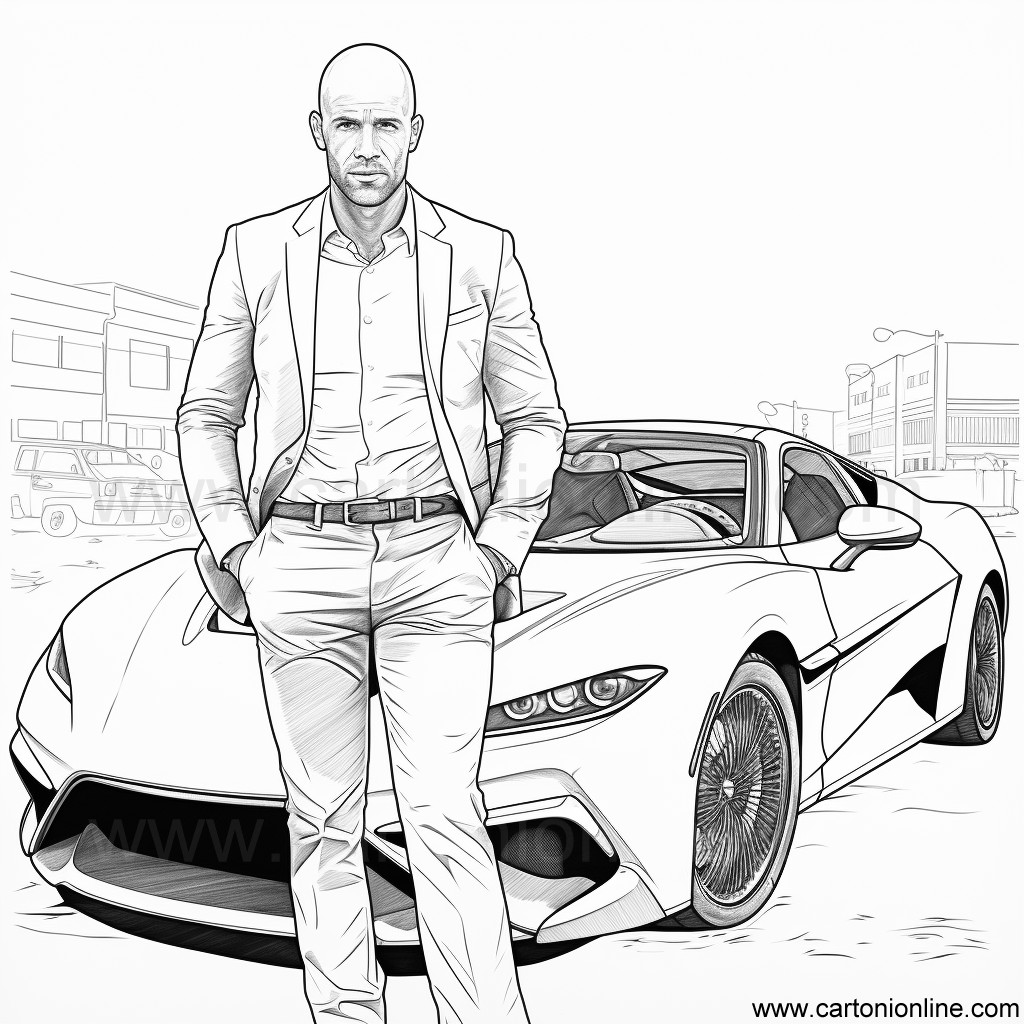
Right off the bat, we're looking at a figure radiating sheer presence. The subject stands with an unyielding confidence, his entire posture conveying a quiet authority. Hands casually tucked into pockets, a relaxed yet ready stance, leaning ever so slightly against a high-performance machine. This isn't just standing; it’s owning the space, a testament to the powerful persona of Dominic "Dom" Toretto (Vin Diesel). The way the shoulders are set, the directness of his alignment, everything points to a man in control, unafraid to meet your gaze head-on.
Observe the expression: a steely gaze that locks with the viewer, devoid of overt emotion yet brimming with resolve. There’s a seriousness, an intensity etched into his features—the slight furrow of the brow, the set of the jaw. This isn't a character prone to theatrics, but one whose power comes from an inner strength and unwavering focus. The bald head and rugged facial structure are instantly recognizable, contributing to that iconic, stoic demeanor. It's a look that promises action but commands respect through stillness.
When it comes to coloring this powerful scene, think bold and grounded. For the skin, a rich, warm olive or sun-kissed tan would be perfect, using subtle shifts in tone to emphasize the strong bone structure around the cheekbones, jawline, and brow. Deep umbers or sepia tones in the shadows will add depth and realism without making him appear weathered, just experienced. Highlights on the forehead and bridge of the nose should be gentle, catching the light without being overtly glossy.
The suit offers a fantastic opportunity for sophisticated shading. Imagine a deep charcoal grey or a classic navy. The key here is to define the fabric folds with careful gradients, darker in the creases under the arms and where the jacket drapes. Use a slightly desaturated version of the main color for mid-tones and a touch of light grey or even a hint of very pale blue for highlights on the shoulders and lapels to suggest a fine material. The shirt could be a crisp white or a light, cool blue to offer a clean contrast against the darker suit, with shadows subtly defining the collar and pleats.
Now, for that incredible vehicle. This isn’t just transportation; it’s an extension of the character. A vibrant, aggressive color like a metallic candy apple red, a deep sapphire blue, or even a sleek gunmetal grey would suit its powerful lines. Shading on the car is all about capturing reflections and gloss. Use long, sweeping gradients to suggest the curve of the bodywork, and sharp, defined streaks of lighter color for direct reflections of light sources. Darker tones in the wheel wells and under the chassis will ground the car, making it feel heavy and real. For the wheels, use metallic silver or dark chrome for the spokes, carefully rendering the intricacies and applying strong contrast between light and shadow to make them pop. The background elements—the buildings and other vehicles—should be rendered in softer, desaturated tones. Think muted browns, creams, and pale blues for the sky, ensuring they don't compete with the dynamic duo in the foreground but rather provide a sense of place without distraction. This approach ensures maximum impact for our central figure and his machine, letting their inherent strength and presence dominate the composition.