Analyzing the Iconic Stance
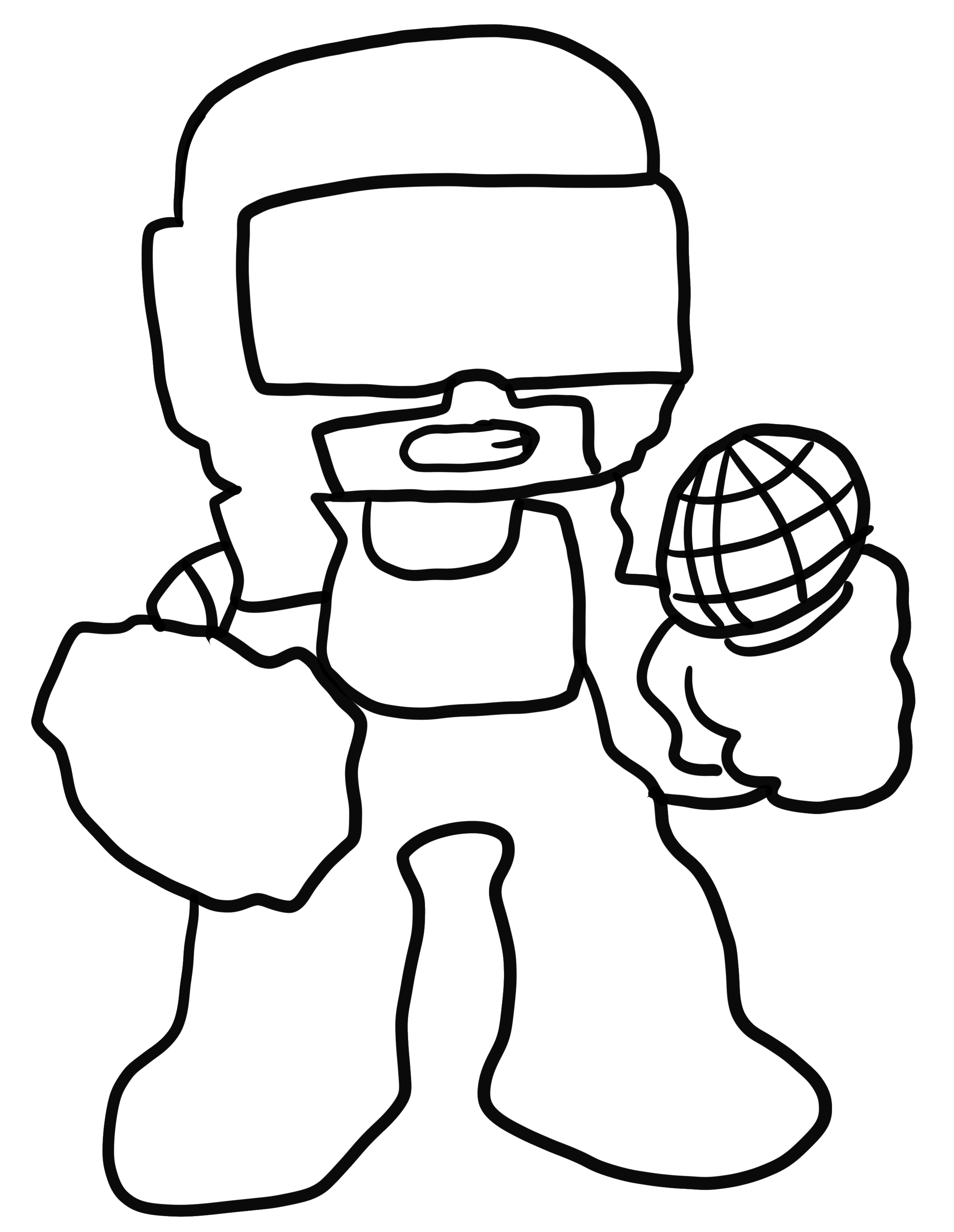
Alright, let's break down this classic silhouette. You've got a character in a pretty confident, almost battle-ready stance here. The legs are spaced for stability, creating a strong, grounded foundation, which is key for conveying power in a design. Think of that wide, low center of gravity – it’s a simple trick to make any figure feel more imposing, even with such clean lines.
The arms are held up, adding to that dynamic readiness. The left hand (your left) is a solid, blocky form, whether it's a clenched fist or holding some rough object, it conveys impact. On the right, he's gripping that mic, complete with the iconic globe-like grid. This juxtaposition of a potentially aggressive stance with a performance item is a core part of the character's appeal, so lean into that contrast when bringing him to life.
Expression-wise, the visor does most of the talking by saying nothing at all. It's a blank slate, offering a cool, enigmatic vibe. That small oval below it could be a mouth or chin detail, but it’s deliberately understated. This lack of overt facial expression forces the pose and the overall design to carry the emotion. Focus on making those lines crisp to maintain the character's signature stoicism.
When it comes to colors, you absolutely need the classic military olive green for the helmet and the main suit. It's non-negotiable for establishing the character. Pair that with a dark, almost black gray for the visor – it should feel deep and reflective, creating that cool, impenetrable look. The chest plate typically gets a slightly lighter, desaturated grey, giving it a metallic, armored feel without being too bright.
For the boots and gloves, stick with a stark black to provide strong contrast and anchor the figure. The microphone itself should be a medium grey, perhaps with the grid lines in a slightly darker tone or even black. If that left hand is a rock, a rough, earthy brown-grey would work perfectly, hinting at its natural, unrefined texture.
Now, shading is where you can really make him pop. Imagine your light source coming from slightly above and to one side – let's say top-left. This will create clean, distinct shadows. The underside of the visor, for instance, would cast a dark shadow across the face area. The helmet itself will have subtle curves; use a darker shade of green along the edges and any recessed areas.
The chest plate, being a distinct layer, will cast a shadow on the torso beneath it. Pay attention to the inside of the arms and legs where they meet the body; these are natural spots for ambient occlusion, meaning slightly darker tones due to less direct light. The bulkiness of the arms and legs will also suggest soft, rounded shadows along their lower or inner edges, giving them volume.
Don't forget highlights. On that dark visor, a tiny, sharp white highlight can simulate reflectivity. On the green armor, a very subtle lighter green along the most prominent, exposed edges will define the form. For the microphone, a bit of a shine on its rounded surface will make it feel three-dimensional. Keep the shadows relatively hard-edged for a more animated, stylized look consistent with his typical appearance.
Remember, the goal is to enhance the character's iconic, somewhat blocky design. Use clean, confident shading strokes. Strong contrast between your base colors and your shadow/highlight tones will give him that bold, graphic punch that fans expect. Ugh!