Bringing
the Depths to Life with Professional Color Techniques
As
someone who has spent a lifetime studying the
visual language of comics and animation, I have
always found the sea to be one of the most rewarding
subjects to illustrate. The ocean offers a unique
challenge because it isn't just a static background;
it is a living environment made of light, transparency,
and movement. In our curated selection, we have
included a vast range of styles to ensure every
artist finds their flow. You will find everything
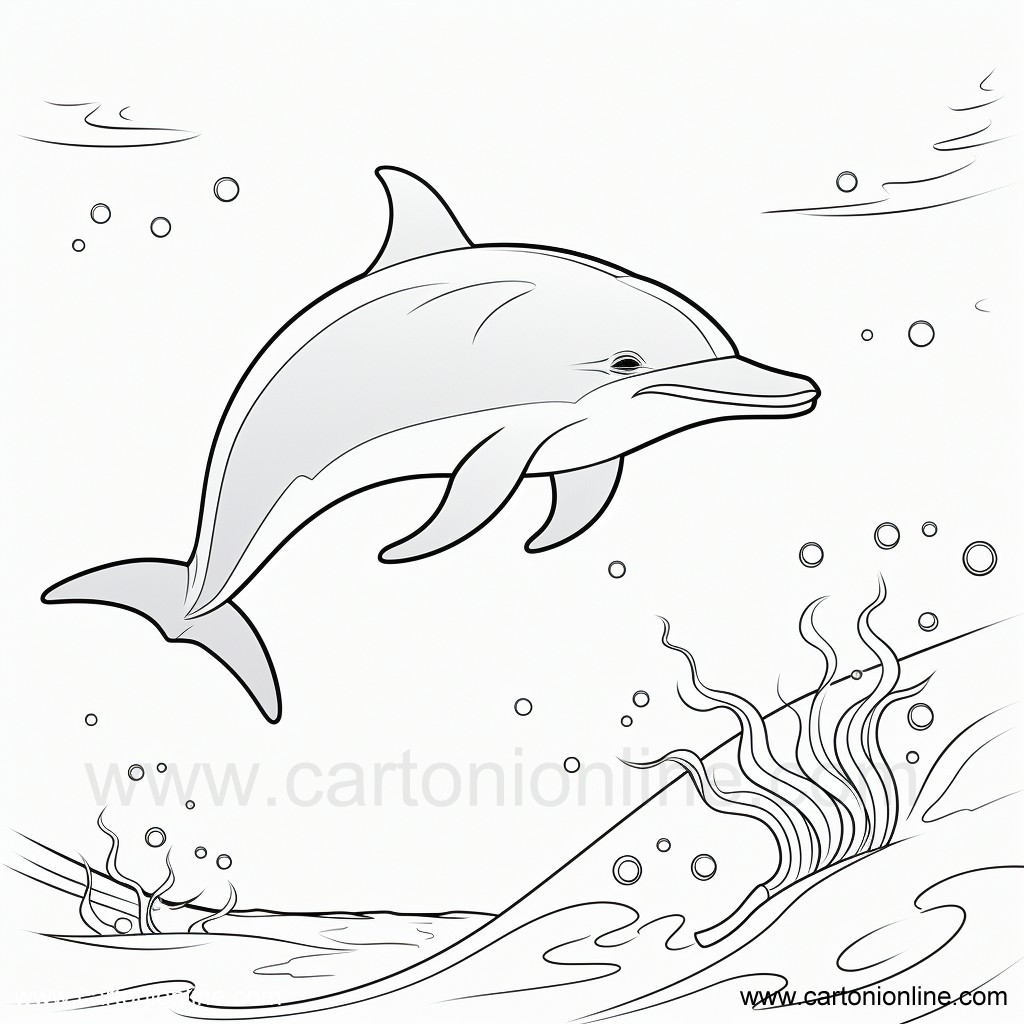
from adorable, "kawaii-style" sea
creatures to sprawling, intricate coral reef
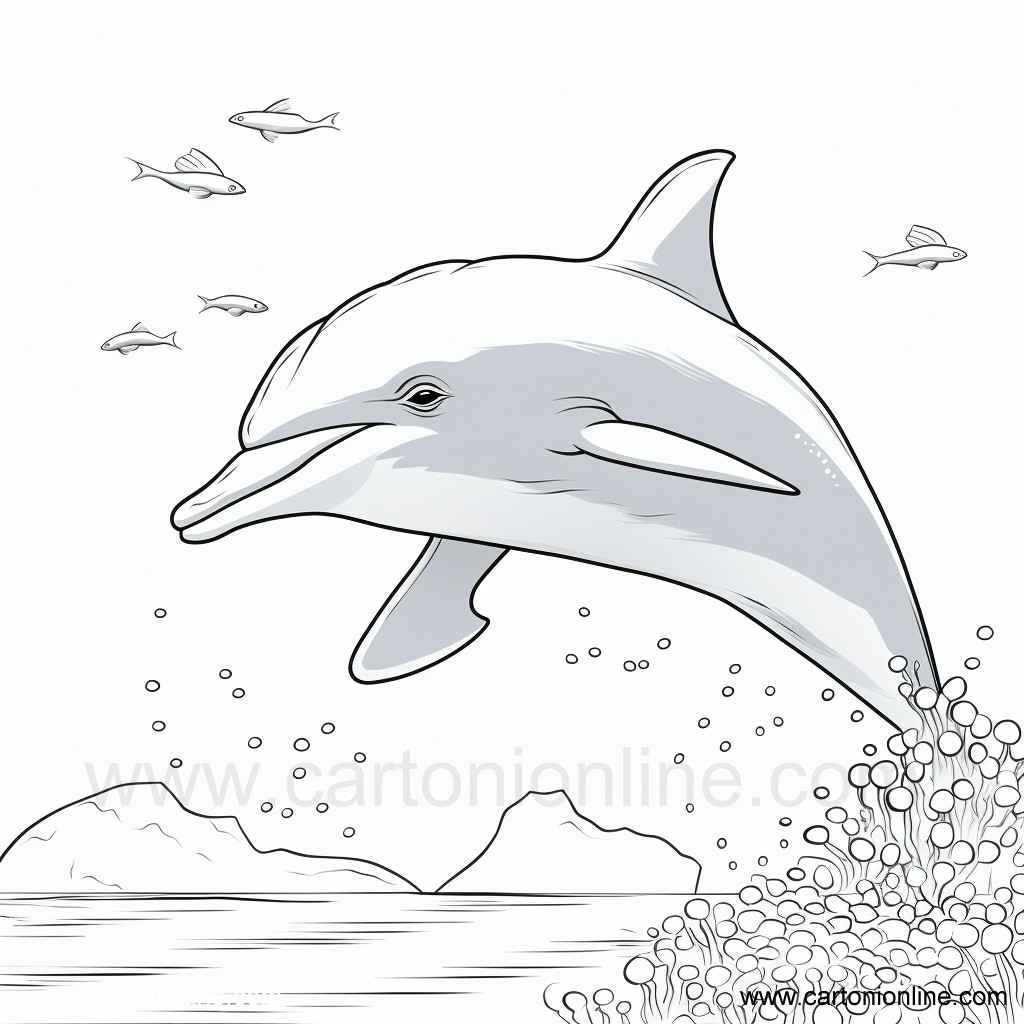
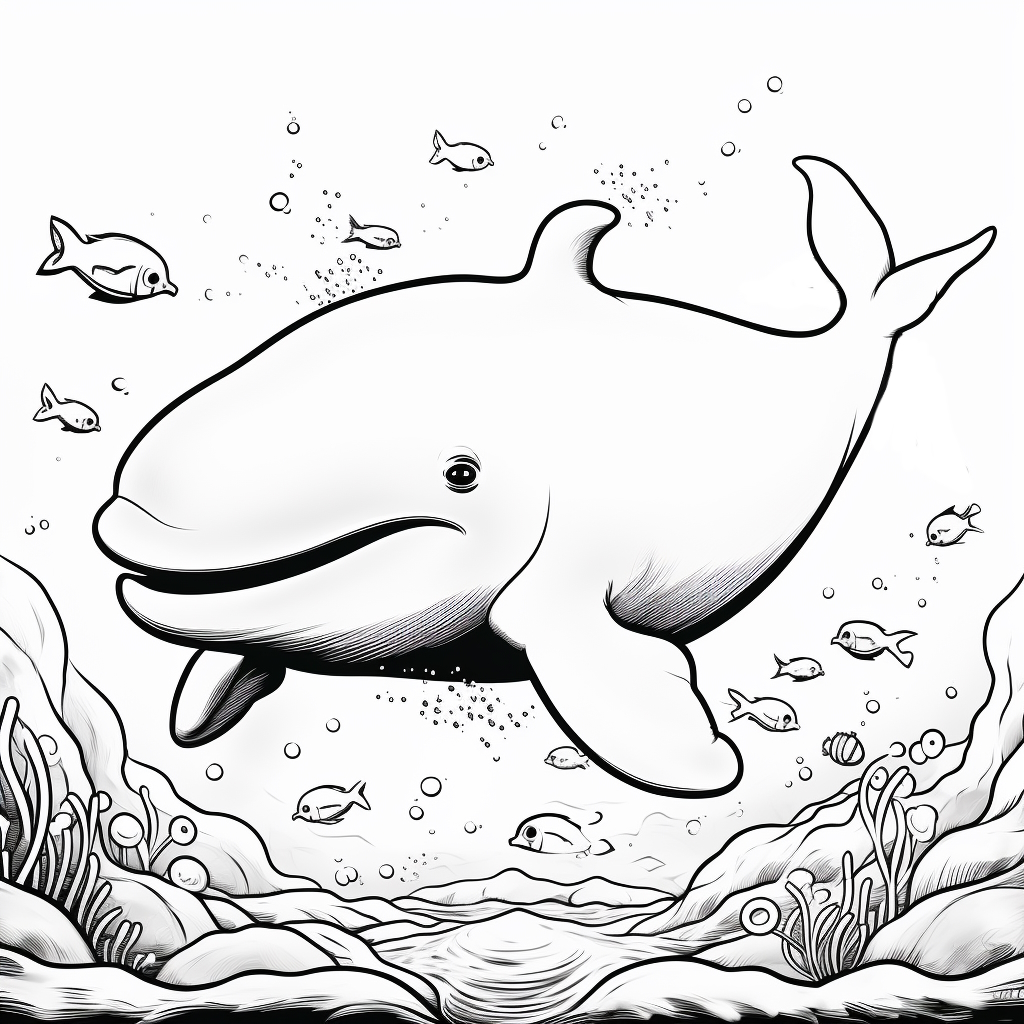
landscapes and majestic realistic depictions
of whales and dolphins.
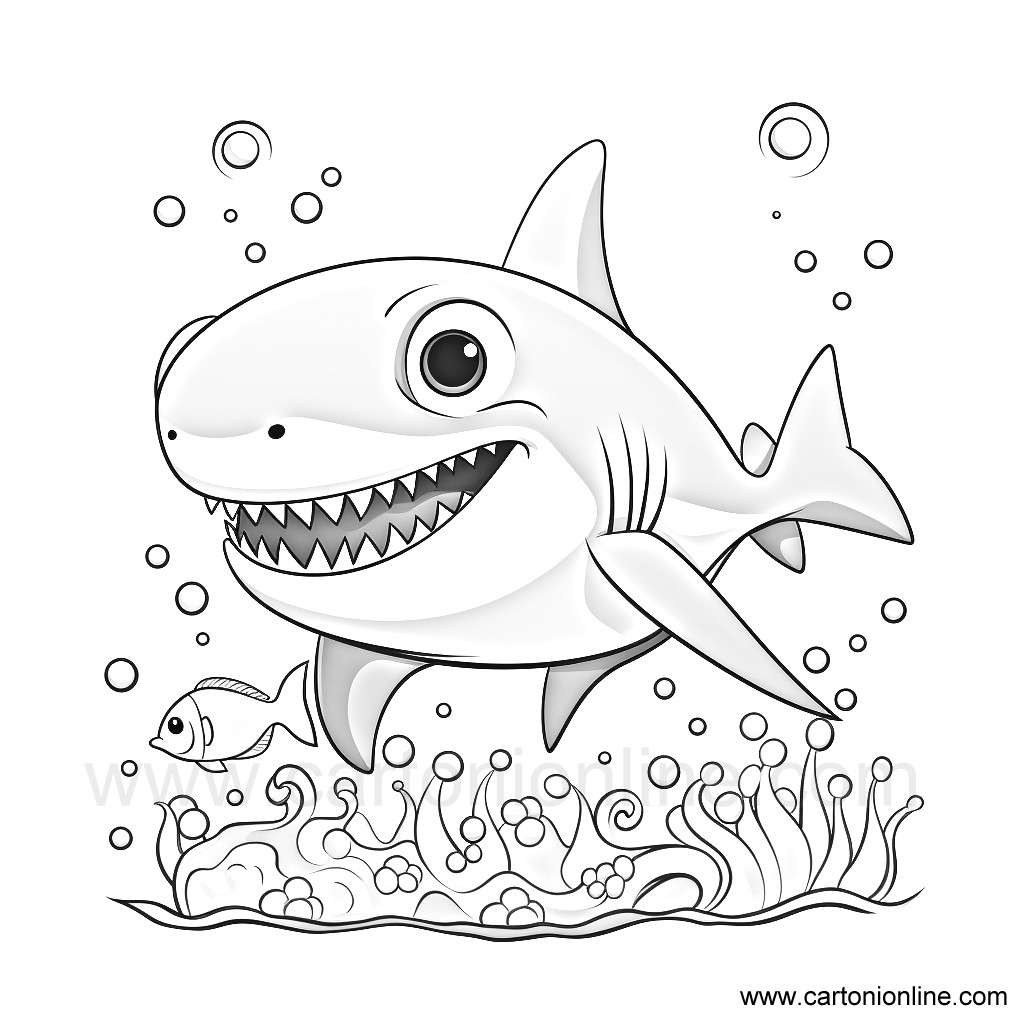
For
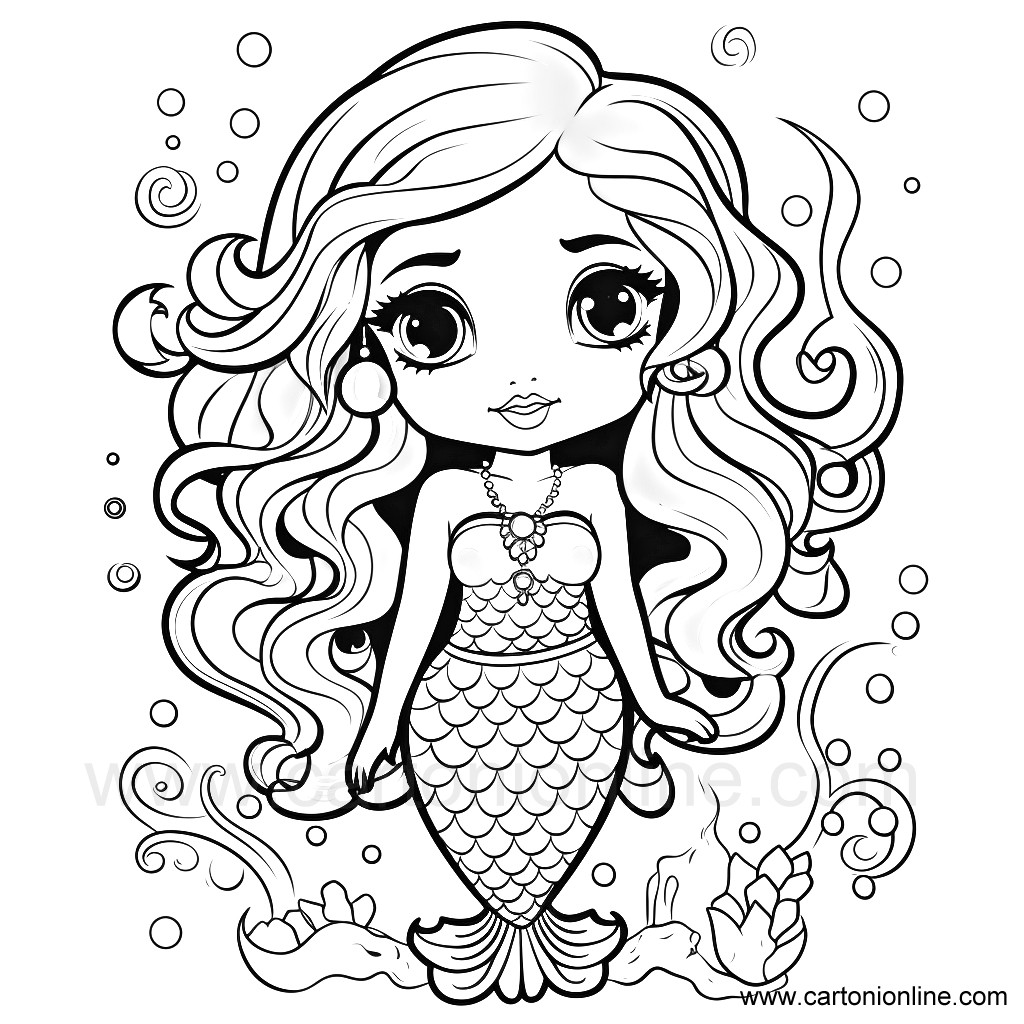
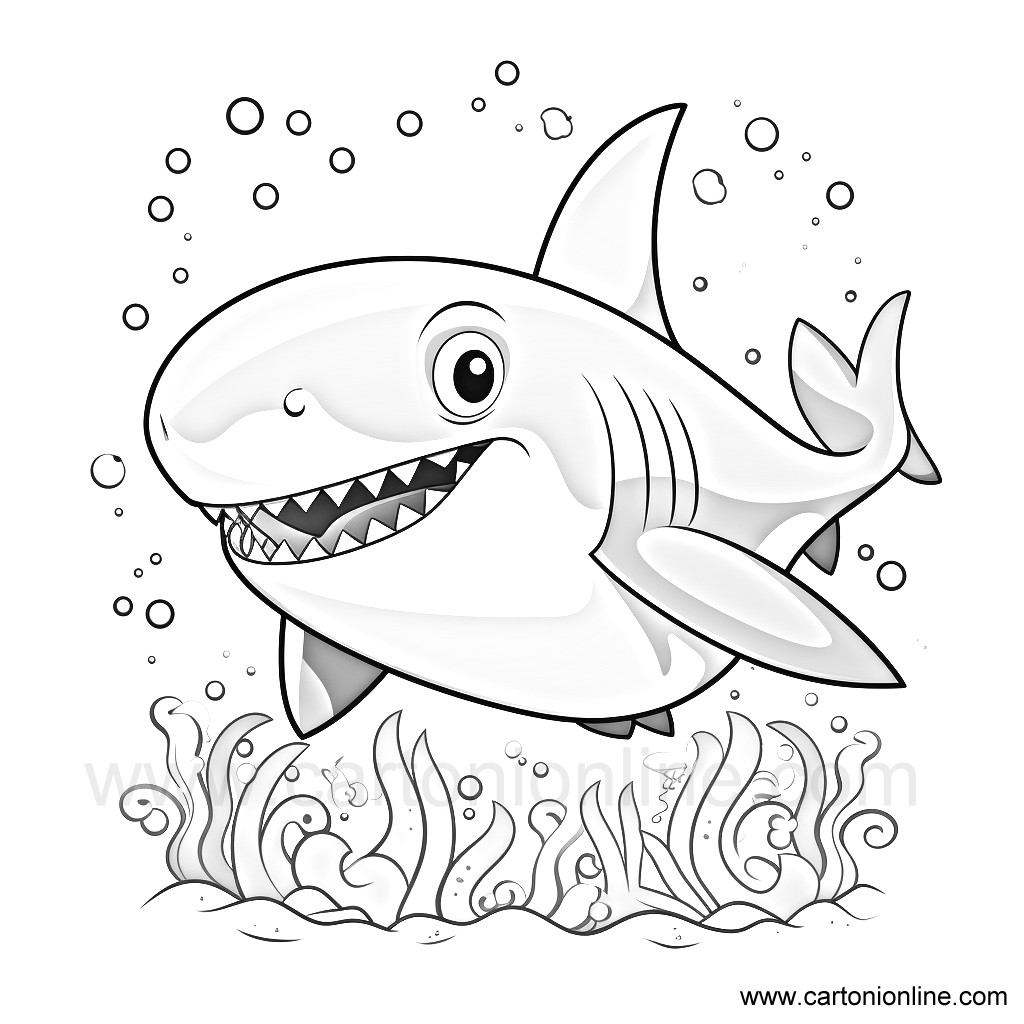
those who enjoy the charming world of cartoon
illustration, we have featured several designs
with clean, bold lines and expressive characters.
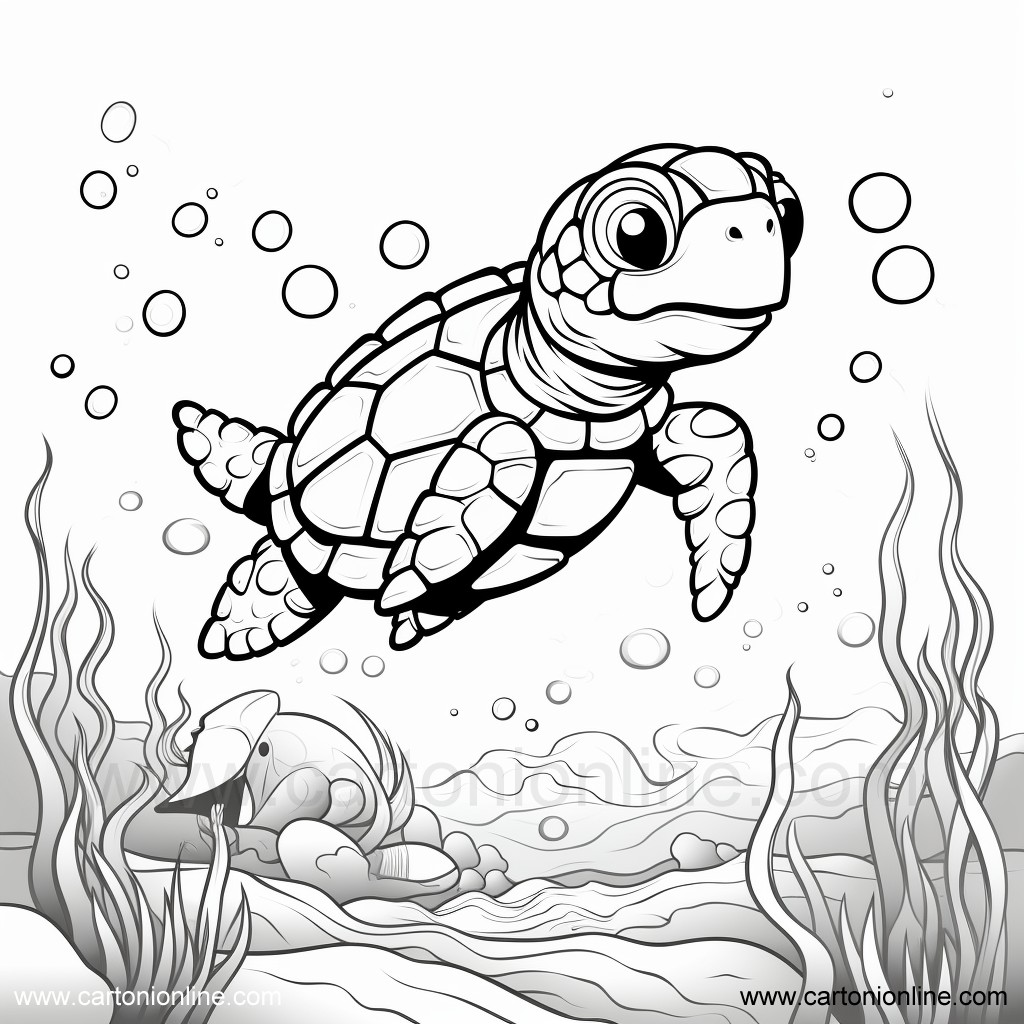
Think of happy octopuses with large, sparkling
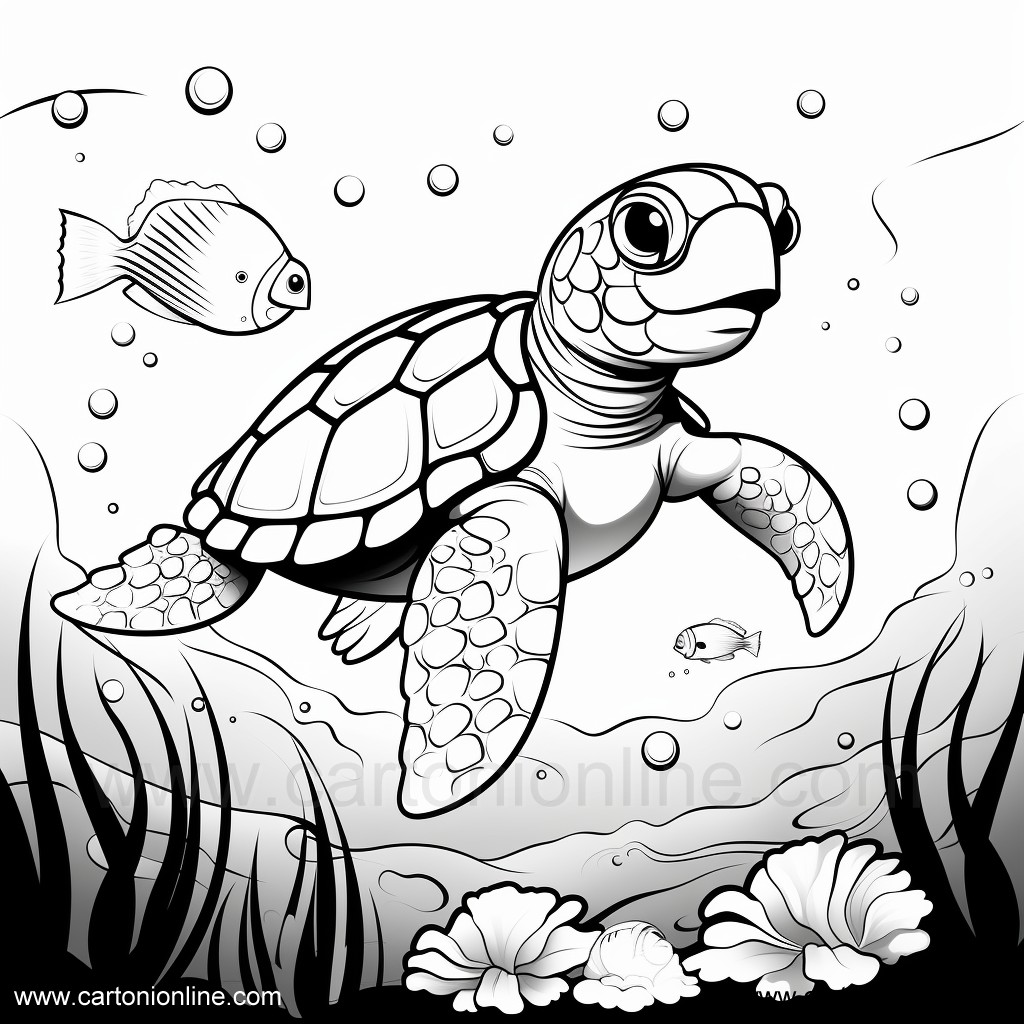
eyes or friendly sea turtles gliding through
the water. When coloring these, I suggest leaning
into a bright, "animation-ready" palette.
Instead of sticking to realistic grays and browns,
why not try a vibrant purple for an octopus
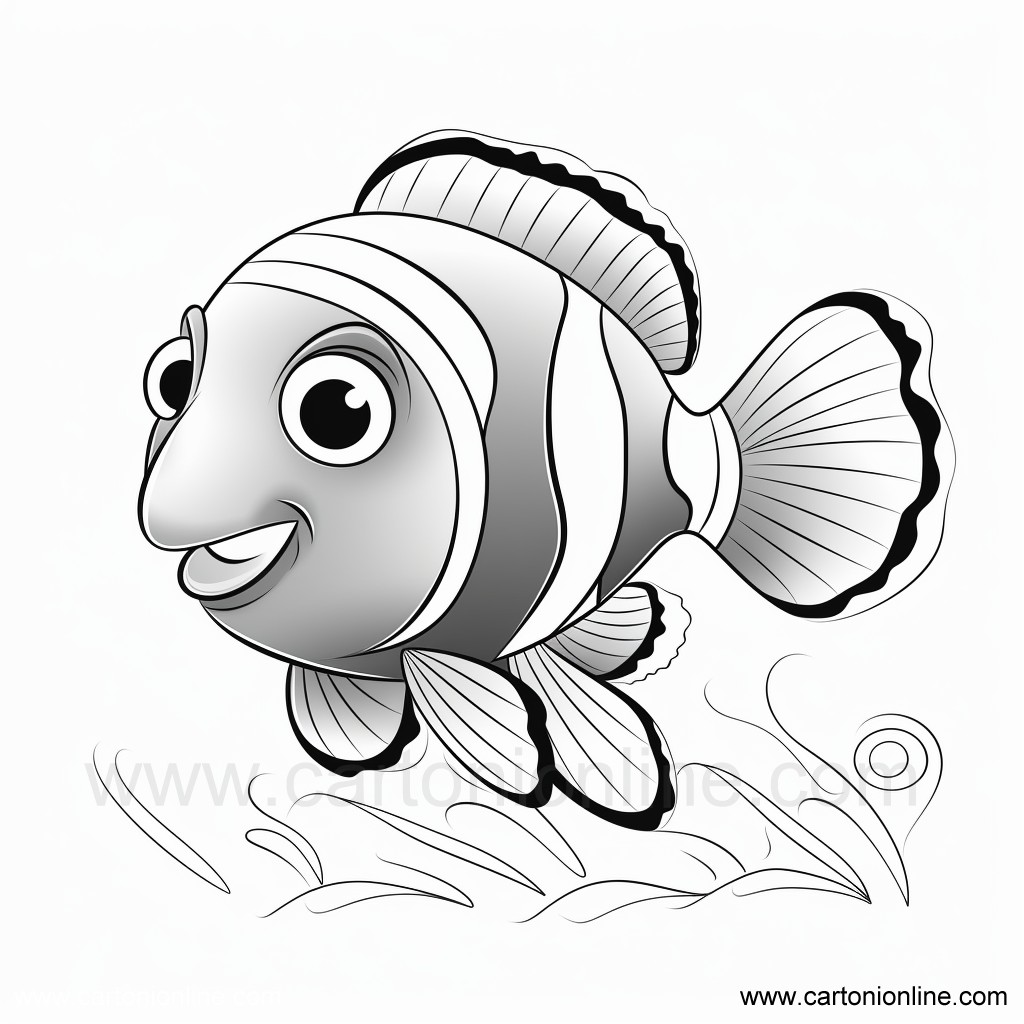
or a neon green for a fish? Using alcohol-based
markers on these pages can give you that sleek,
professional finish seen in modern animated
features. A great pro tip for cartoon styles
is to use a slightly darker shade of your base
color to follow the line art on one side, creating
a simple but effective "cel-shaded"
look that adds instant volume to the character.
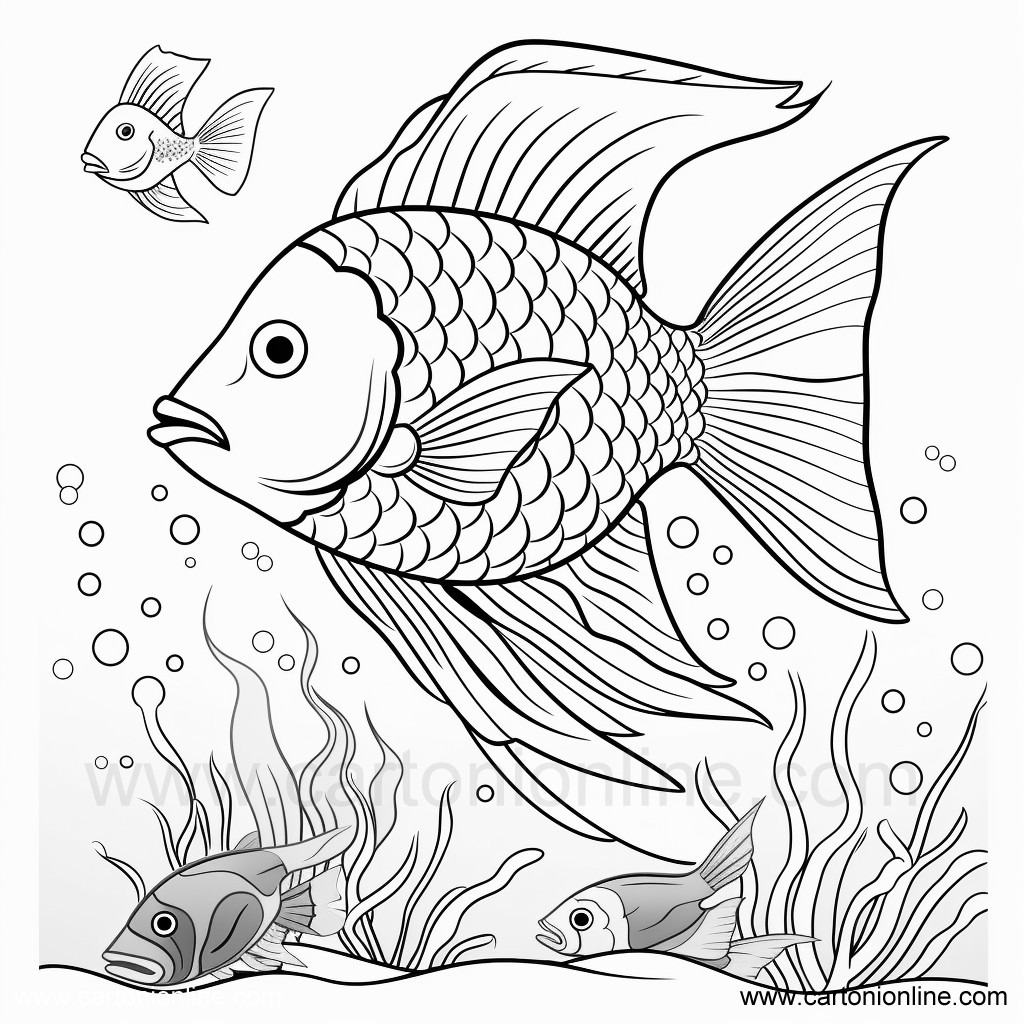
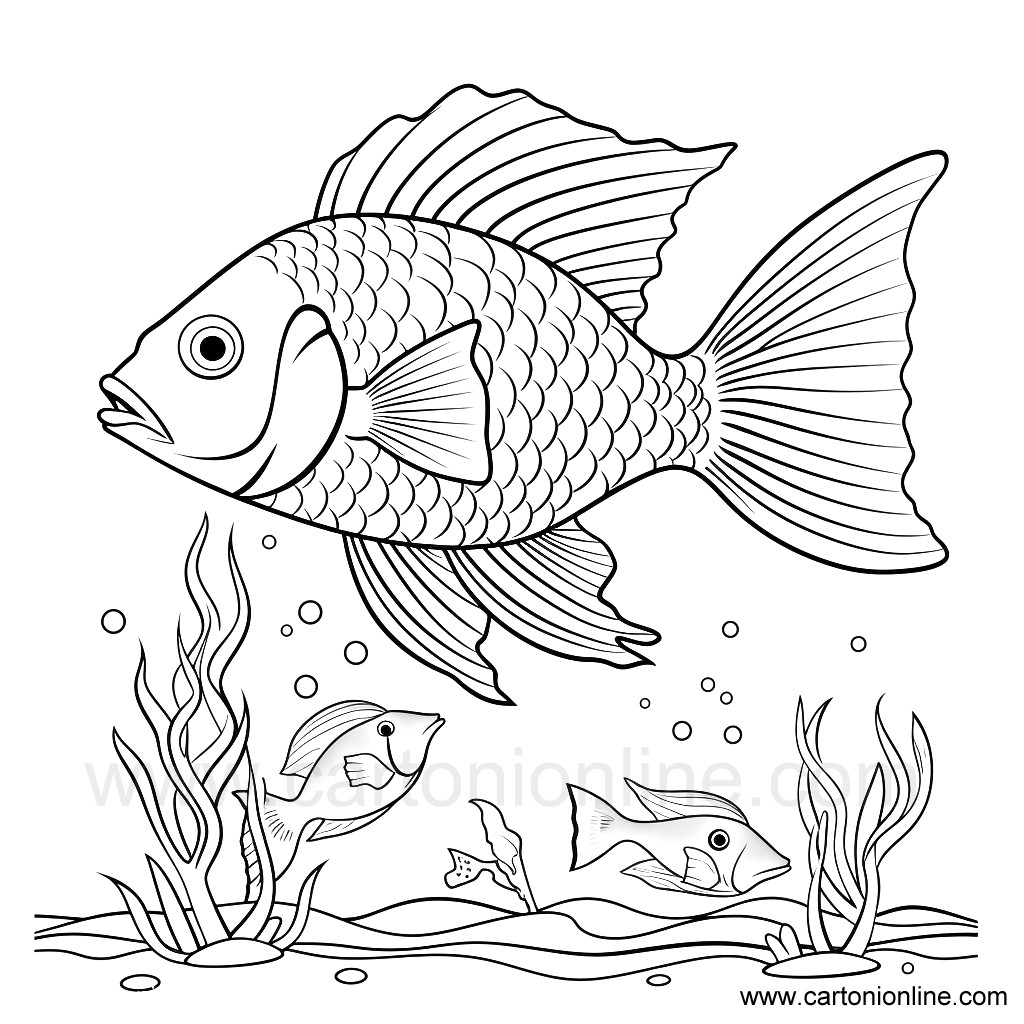
If
you prefer a more meditative or technical experience,
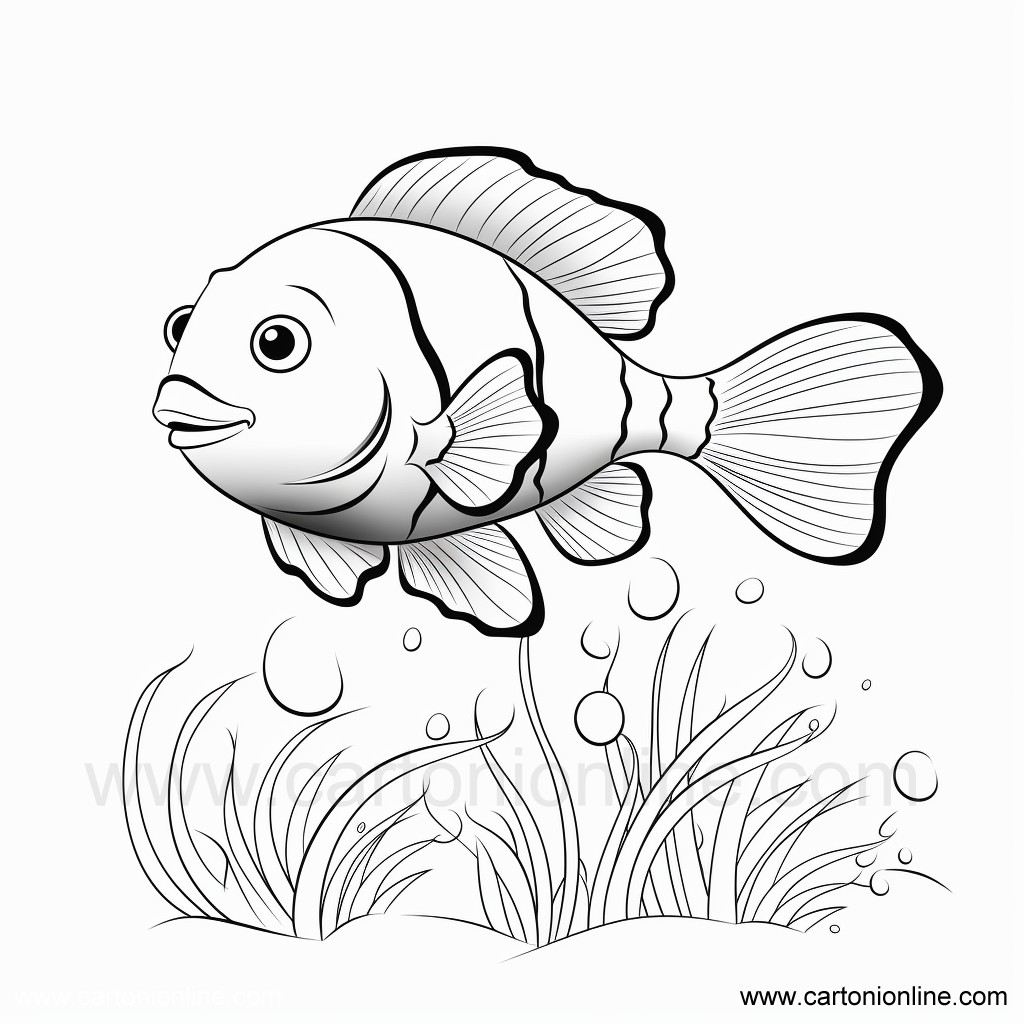
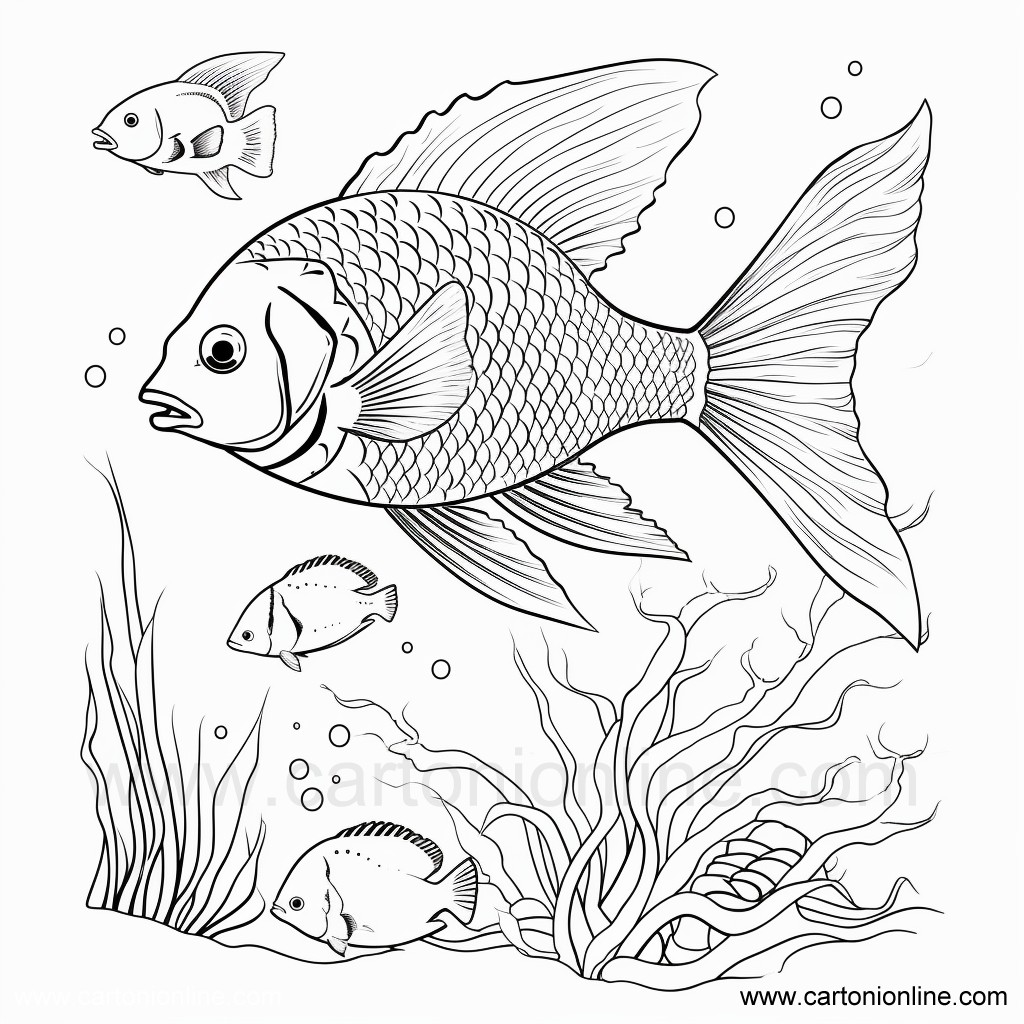
our collection features detailed coral reef
scenes and complex fish patterns. These are
the perfect canvas for practicing gradients
and blending. The sea is rarely just one shade
of blue. To make your background truly pop,
try a "gradient wash" technique. Start
at the top of the page with a light cyan or
pale blue to represent the sunlight hitting
the surface, and gradually transition into a
deep indigo or navy as you move toward the bottom
of the page. This creates a sense of depth and
pressure that is characteristic of the deep
ocean. When coloring the coral, don't be afraid
to go wild with your palette. Real reefs are
some of the most colorful places on Earth, featuring
brilliant pinks, oranges, and yellows that contrast
beautifully against the cool tones of the water.
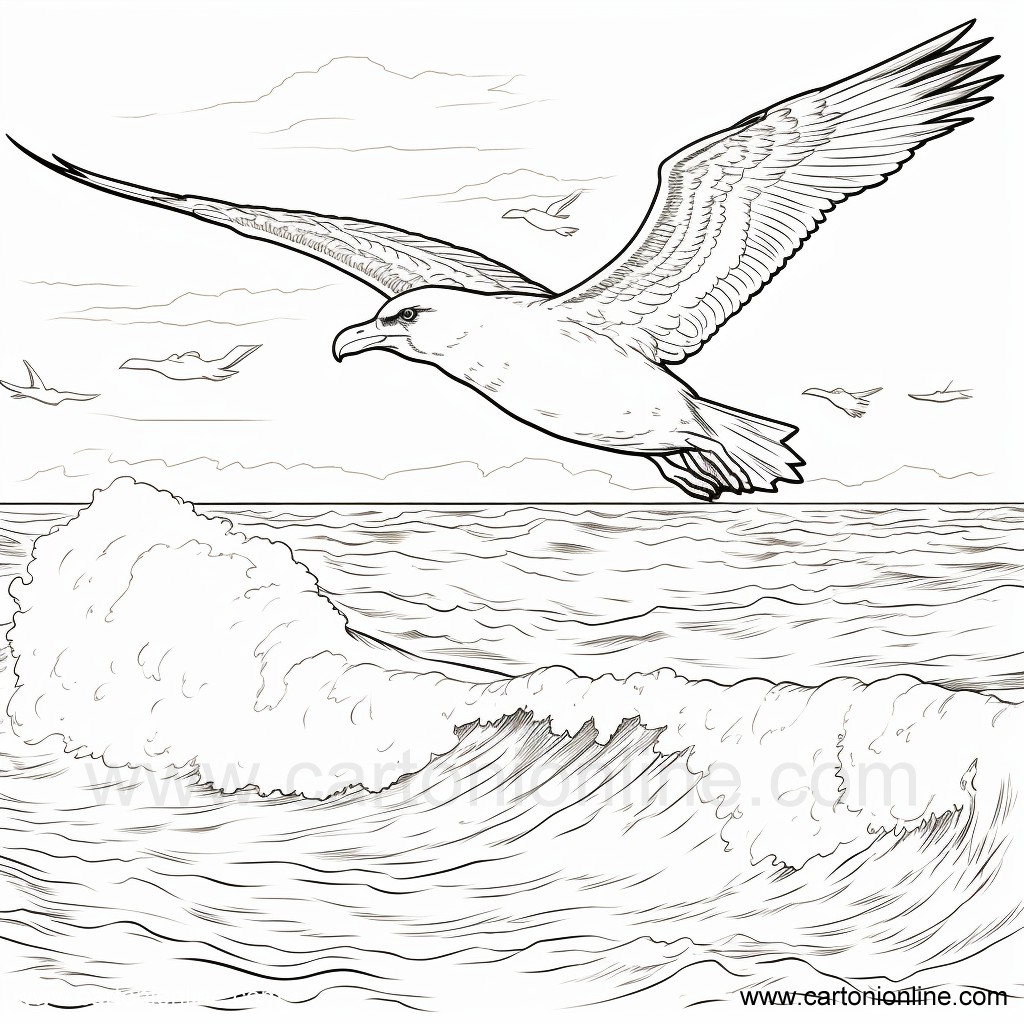
For
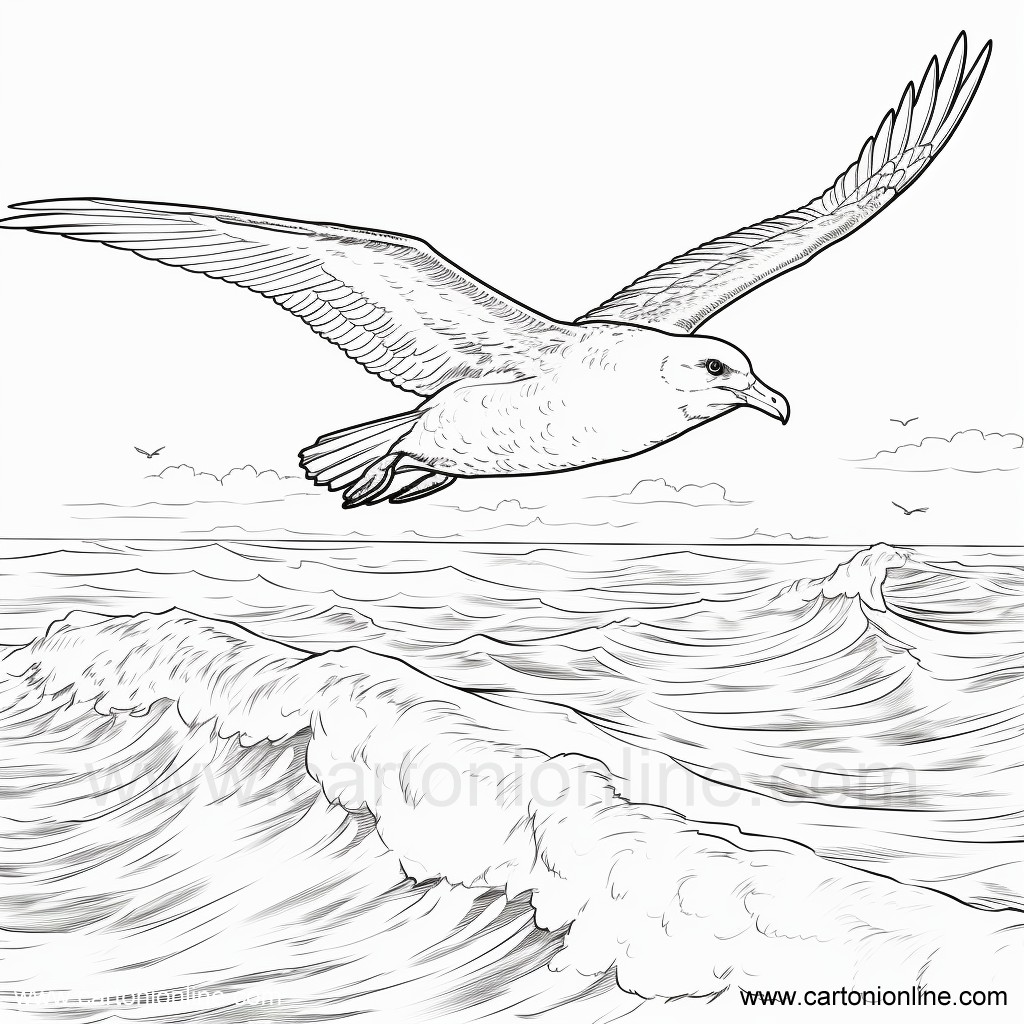
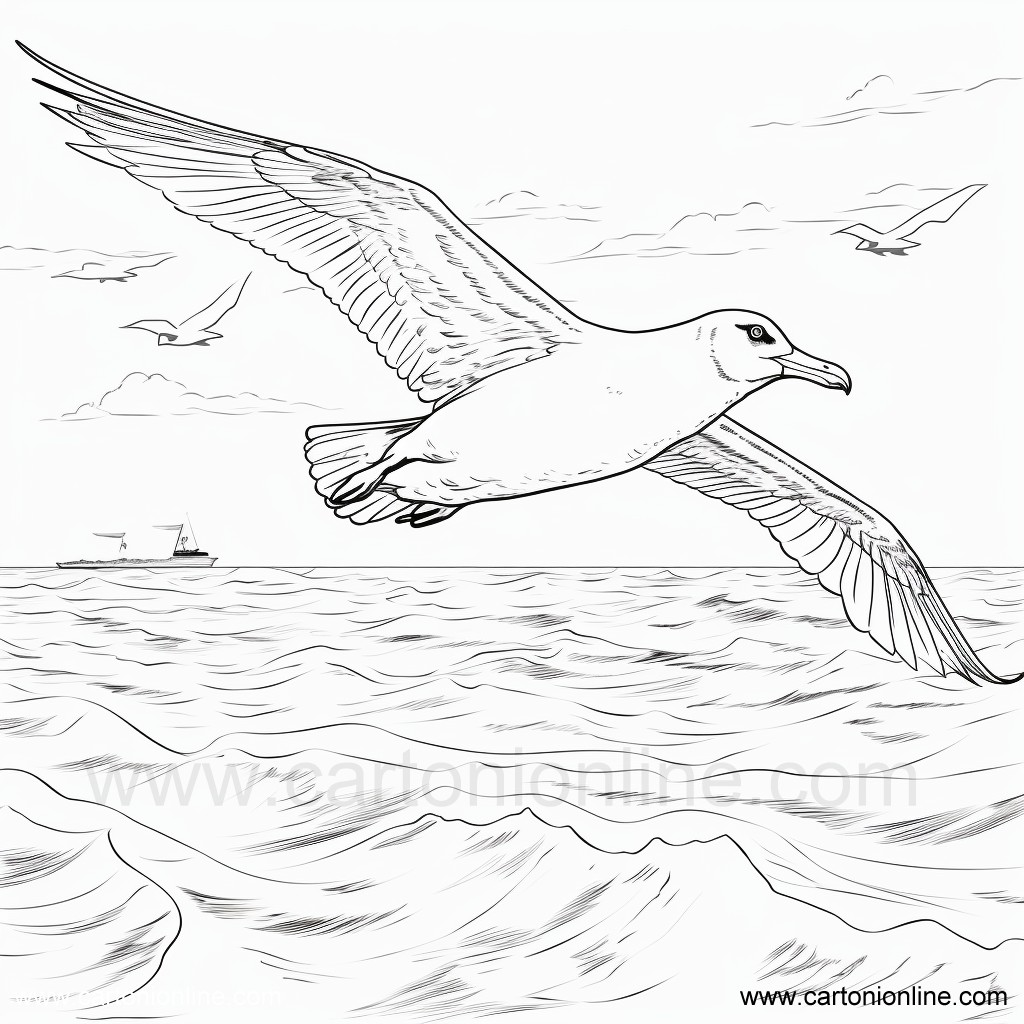
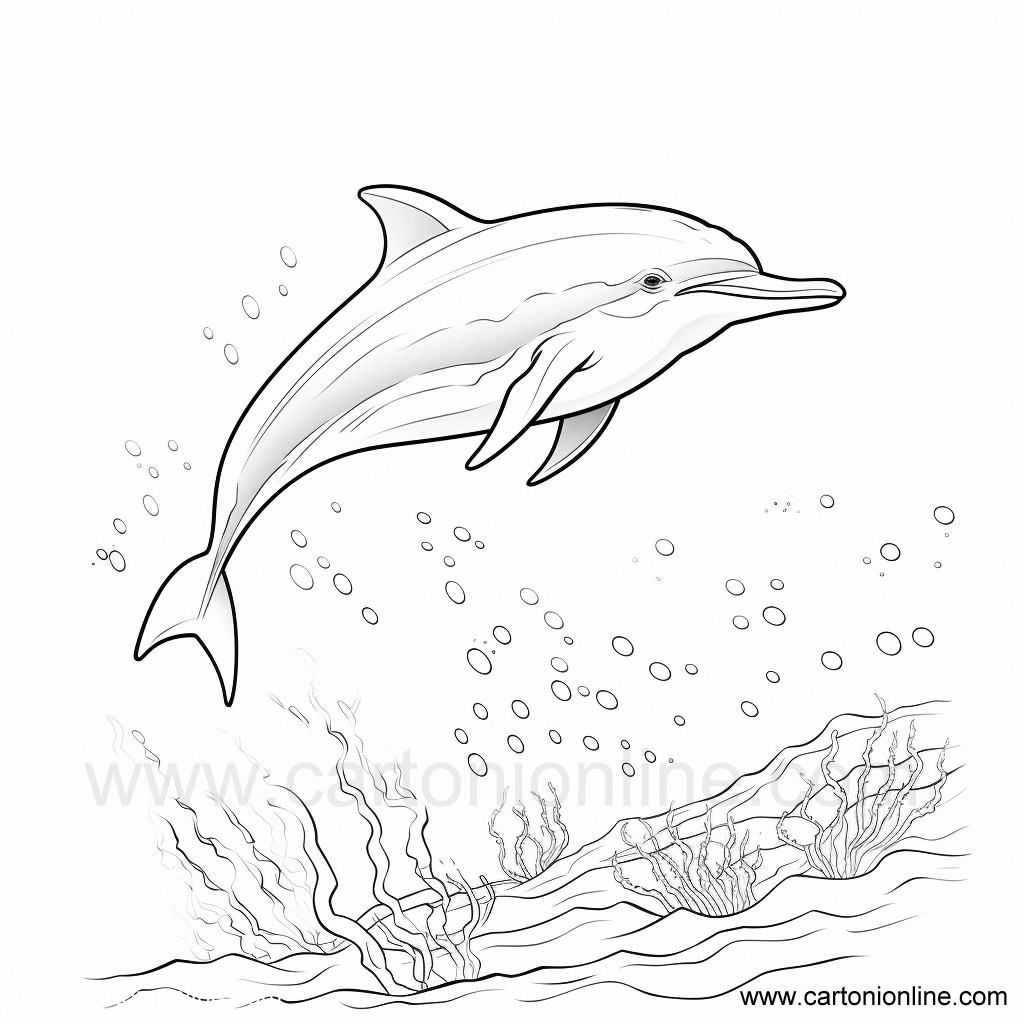
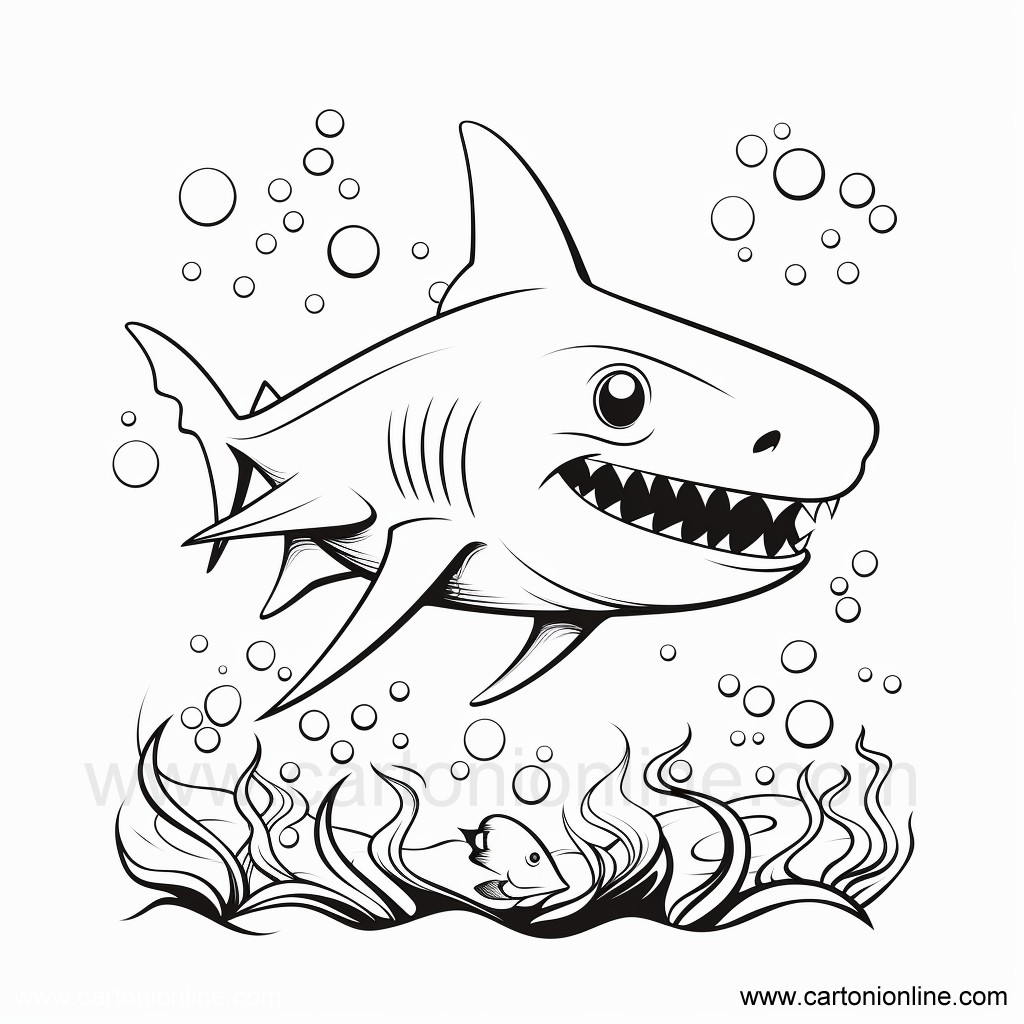
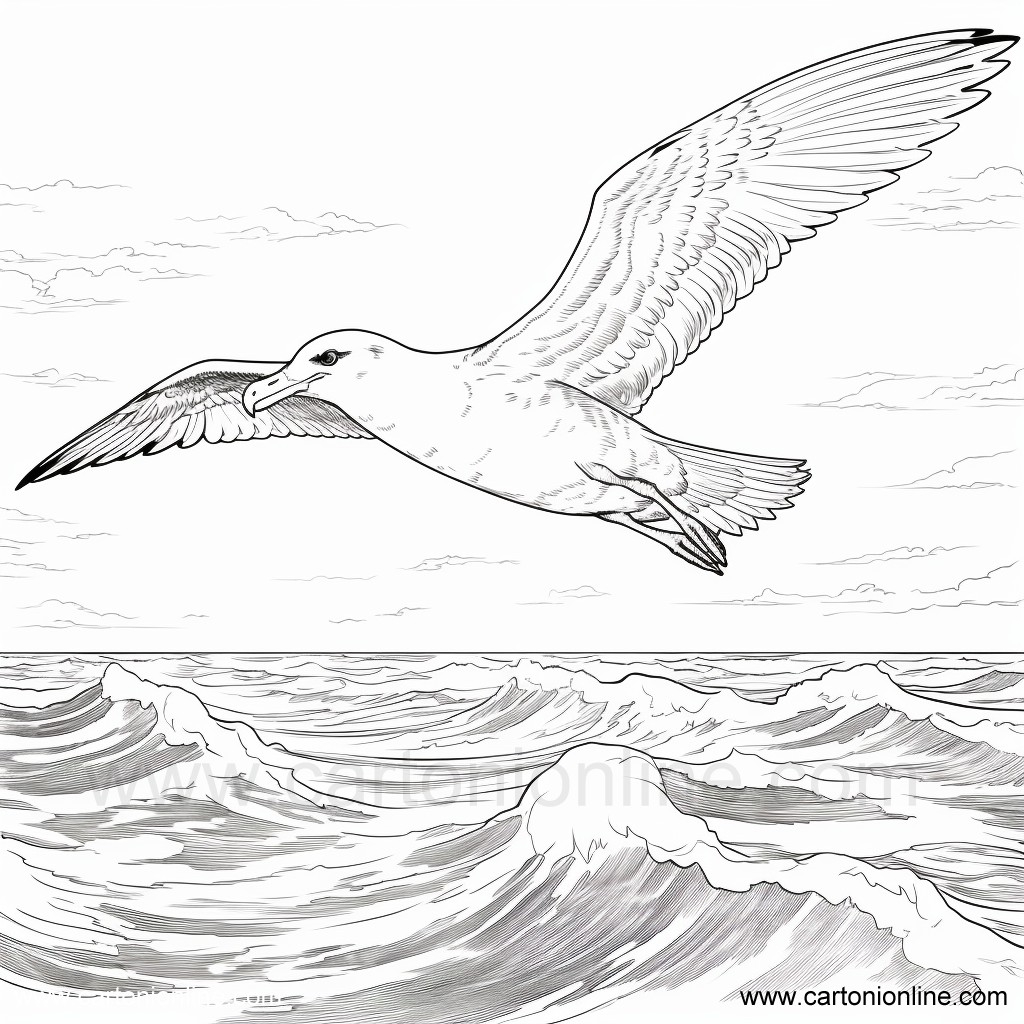
artists who appreciate realism, we have included
sketches that focus on the powerful anatomy
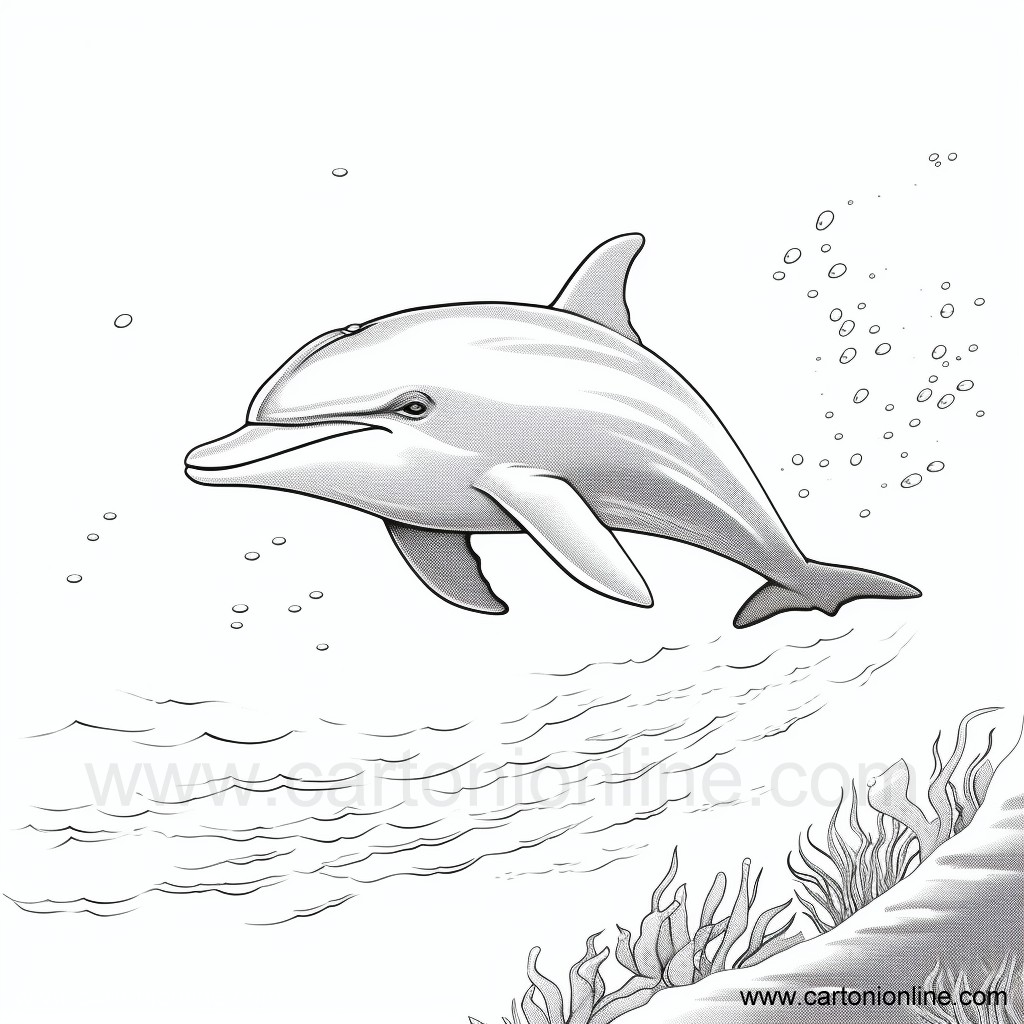
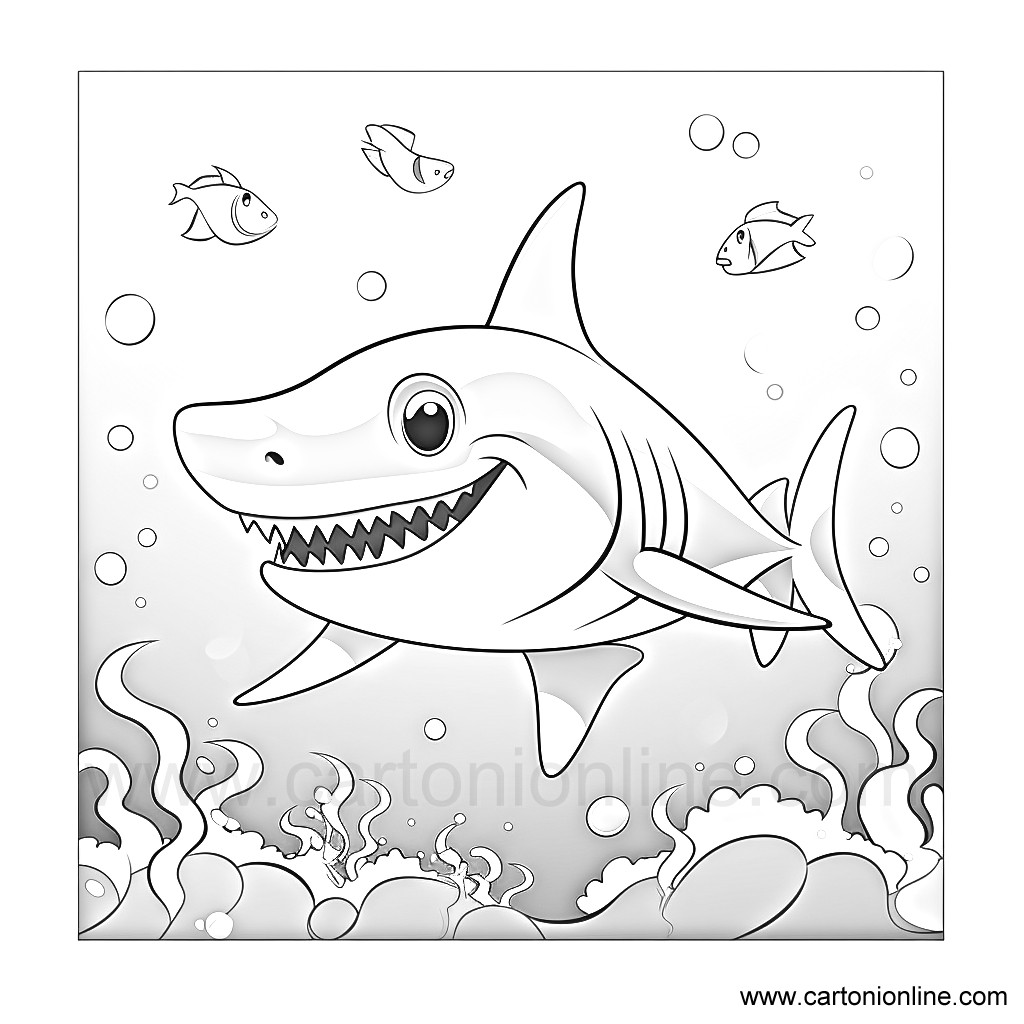
of marine life. Coloring a Great White shark
or a Humpback whale is a fantastic way to practice
light and reflection. Remember that light underwater
is filtered, so shadows often have a bluish
or greenish tint. Instead of using a black pencil
for shadows, try a dark teal or a deep violet.
This subtle shift in color temperature will
make your drawing feel much more immersive and
lifelike. If the drawing includes "god
rays"those beams of light that pierce
through the surfaceleave those areas as
white as possible or use a very light yellow
to suggest the sun's warmth.
We
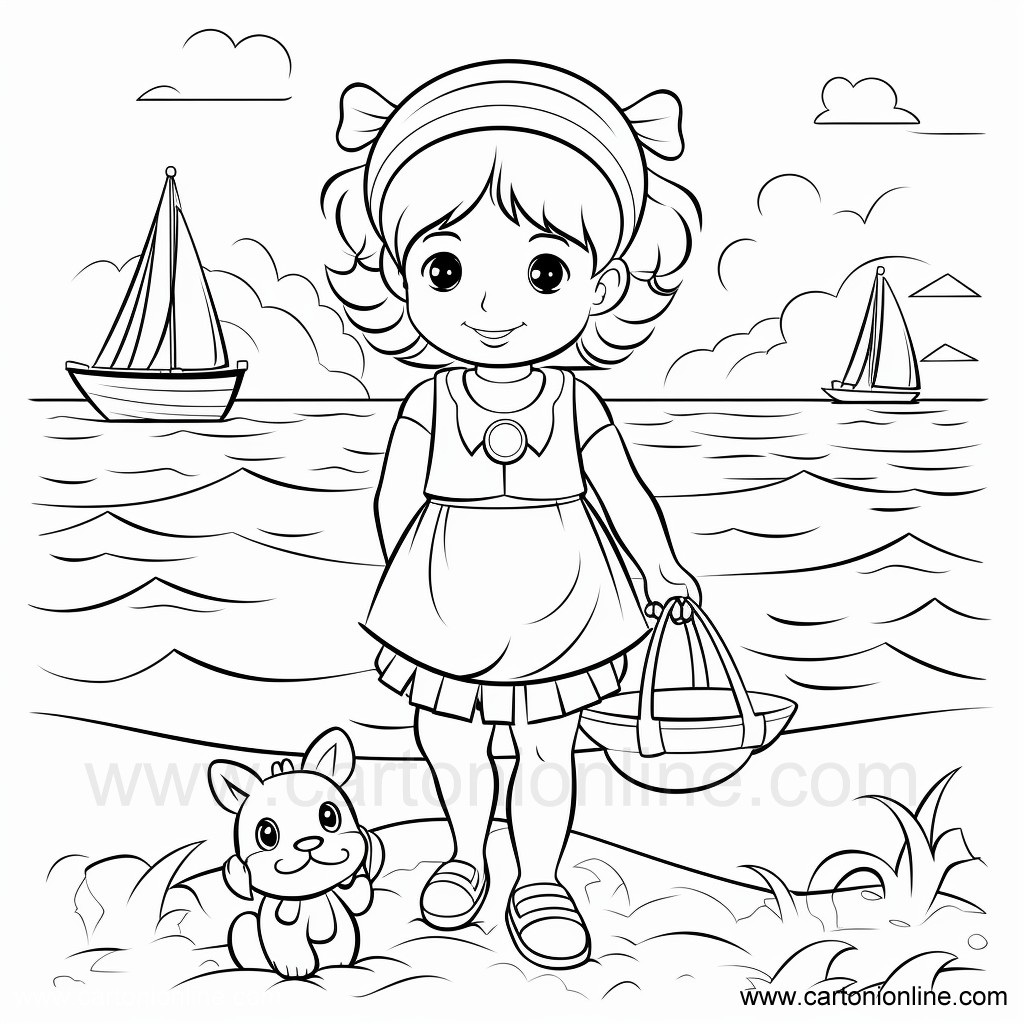
also haven't forgotten the little ones. Our
"for kids" section features simplified
sea life with thick outlines that help develop
fine motor skills without the frustration of
overly tiny details. For these, I always recommend
a "mixed media" approach. Using crayons
for the main figures and then a light watercolor
wash for the surrounding water is a great way
for children to learn how different materials
behave on paper. It also allows them to fill
large areas quickly, giving them a sense of
accomplishment and a beautiful piece of art
to display.
Designing
and selecting these pages requires an understanding
of how to balance empty space with detail. We
ensure that our high-resolution images maintain
their integrity when printed, providing you
with crisp lines that won't blur. Whether you
are using professional-grade colored pencils
to master the texture of a dolphin's skin or
just having a relaxing afternoon with the kids,
these pages serve as a high-quality foundation.
The ocean is a symbol of mystery and freedom,
and we hope this collection allows you to dive
deep into your own creativity. There are no
mistakes in art, only different ways to see
the world, so pick up your favorite tools and
let the currents of your imagination take you
wherever they please.
|