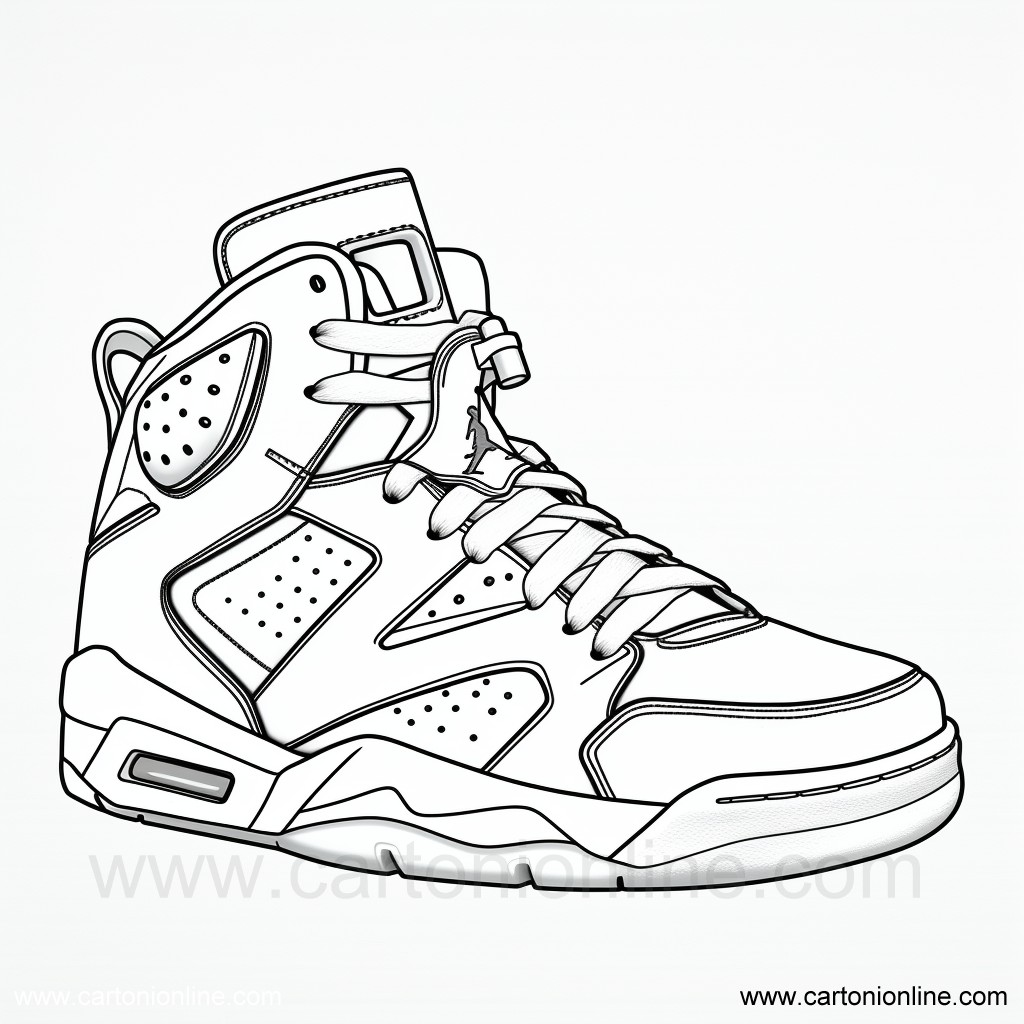
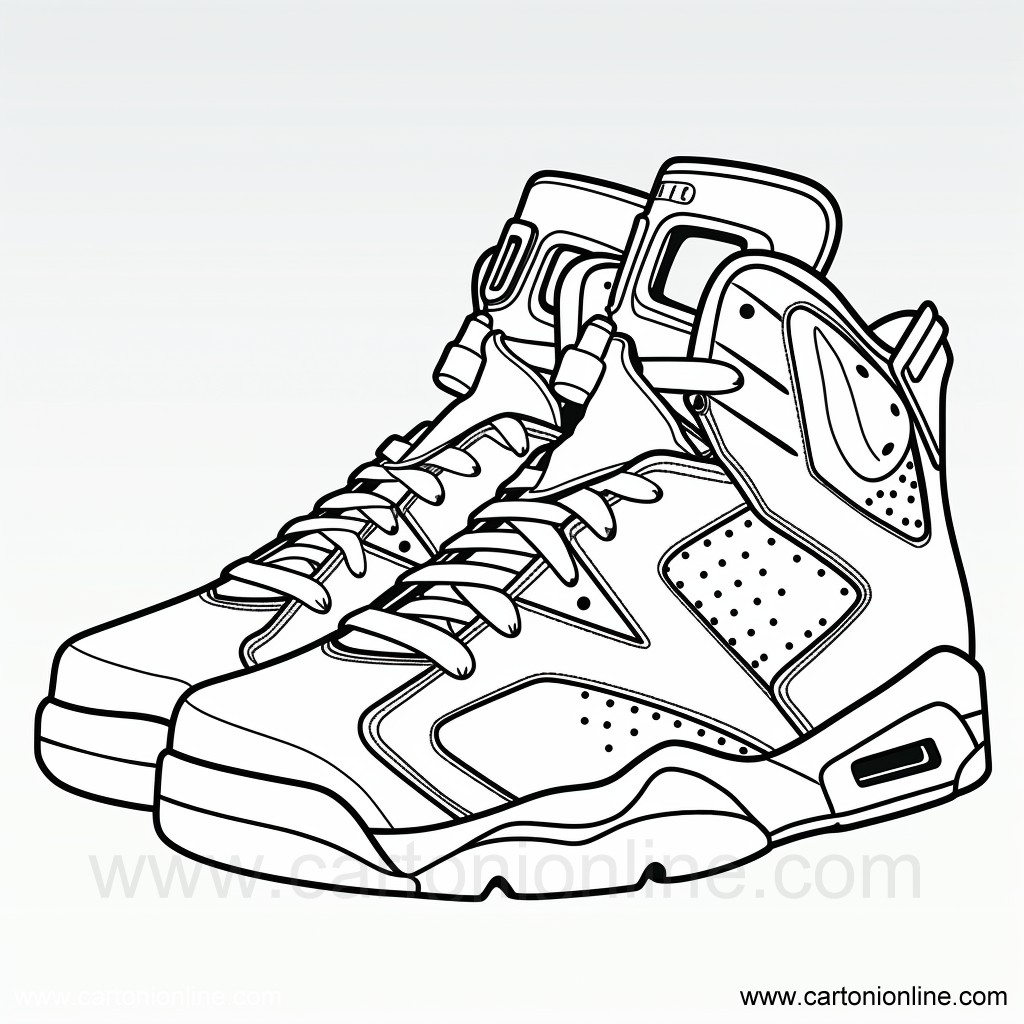
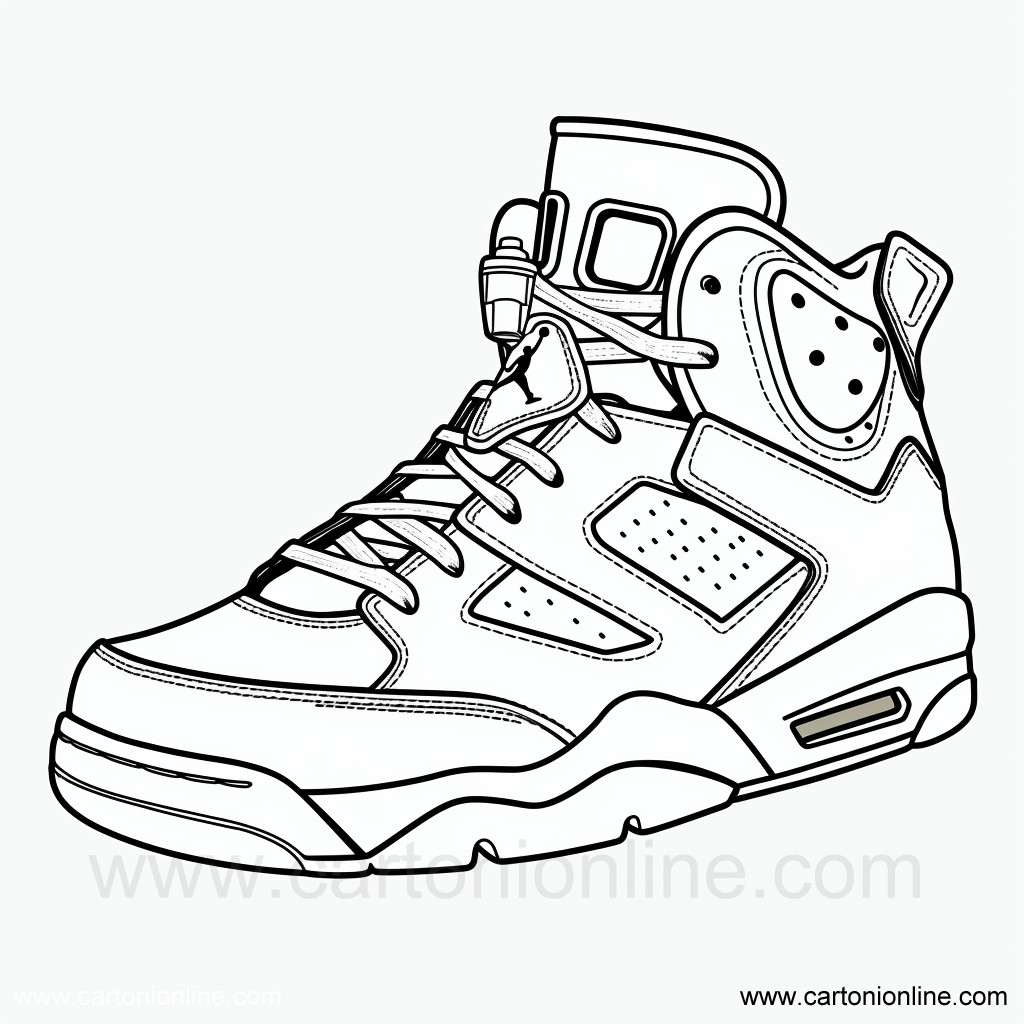
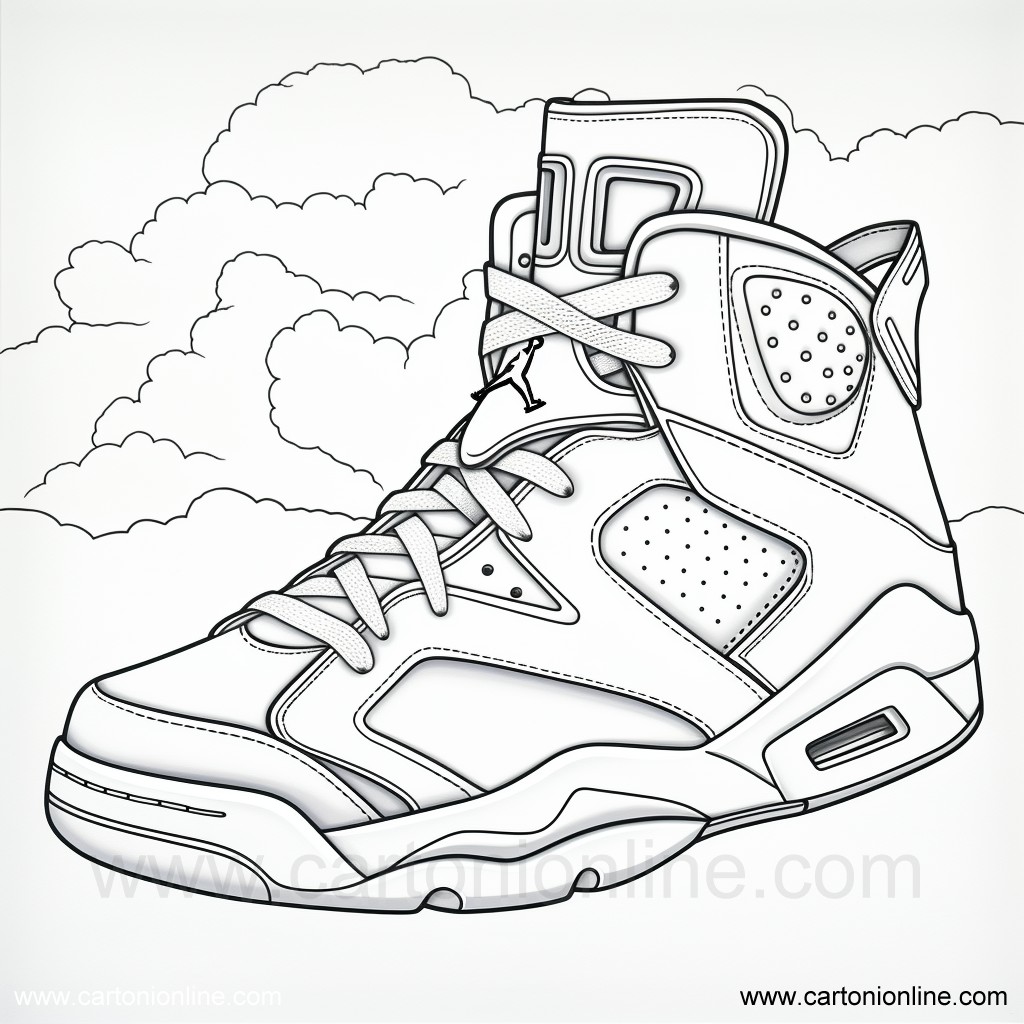
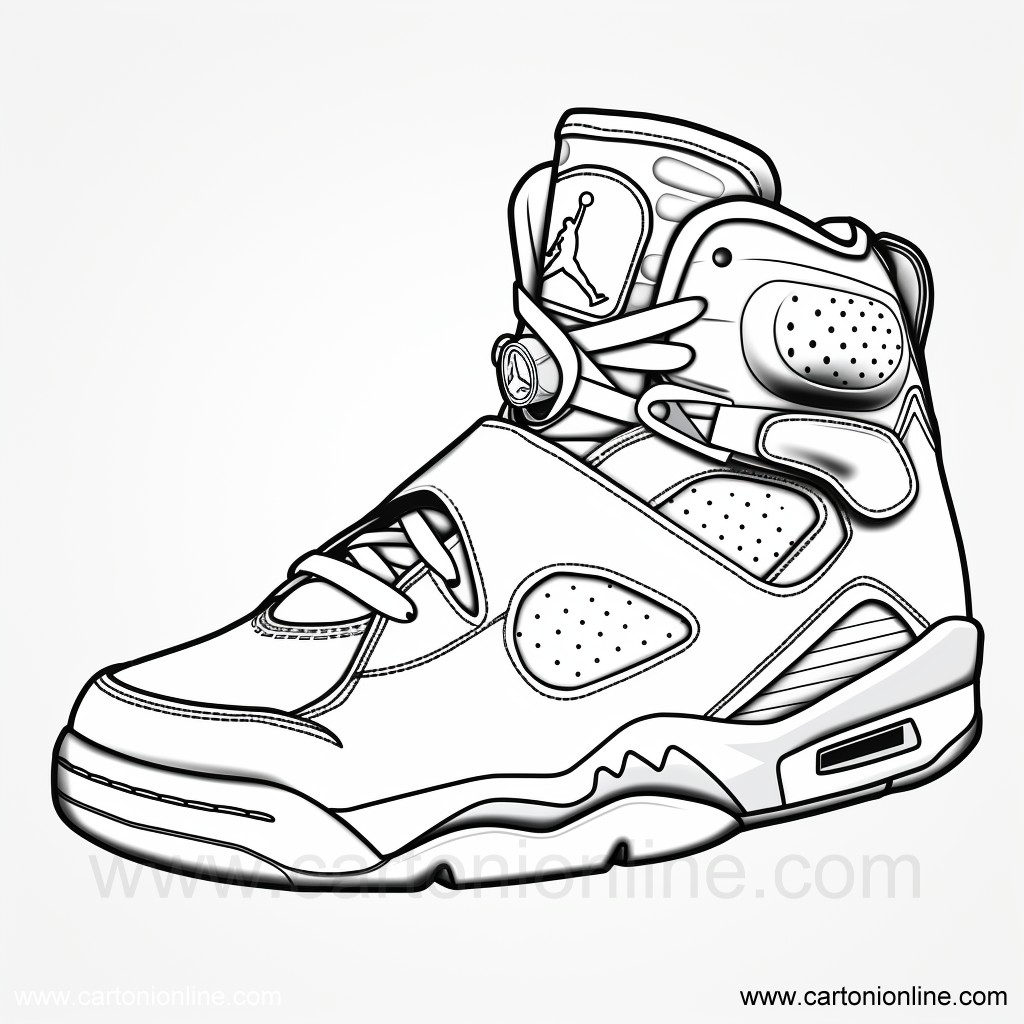
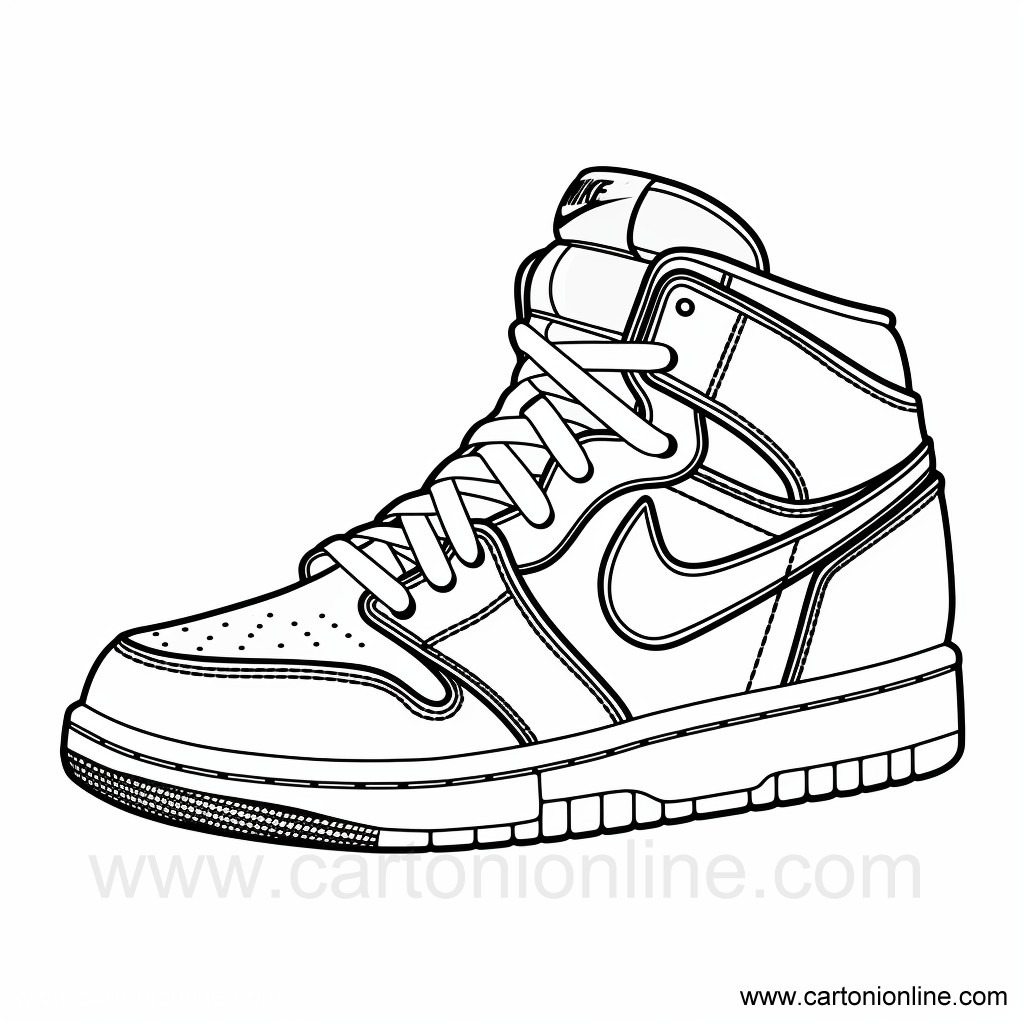
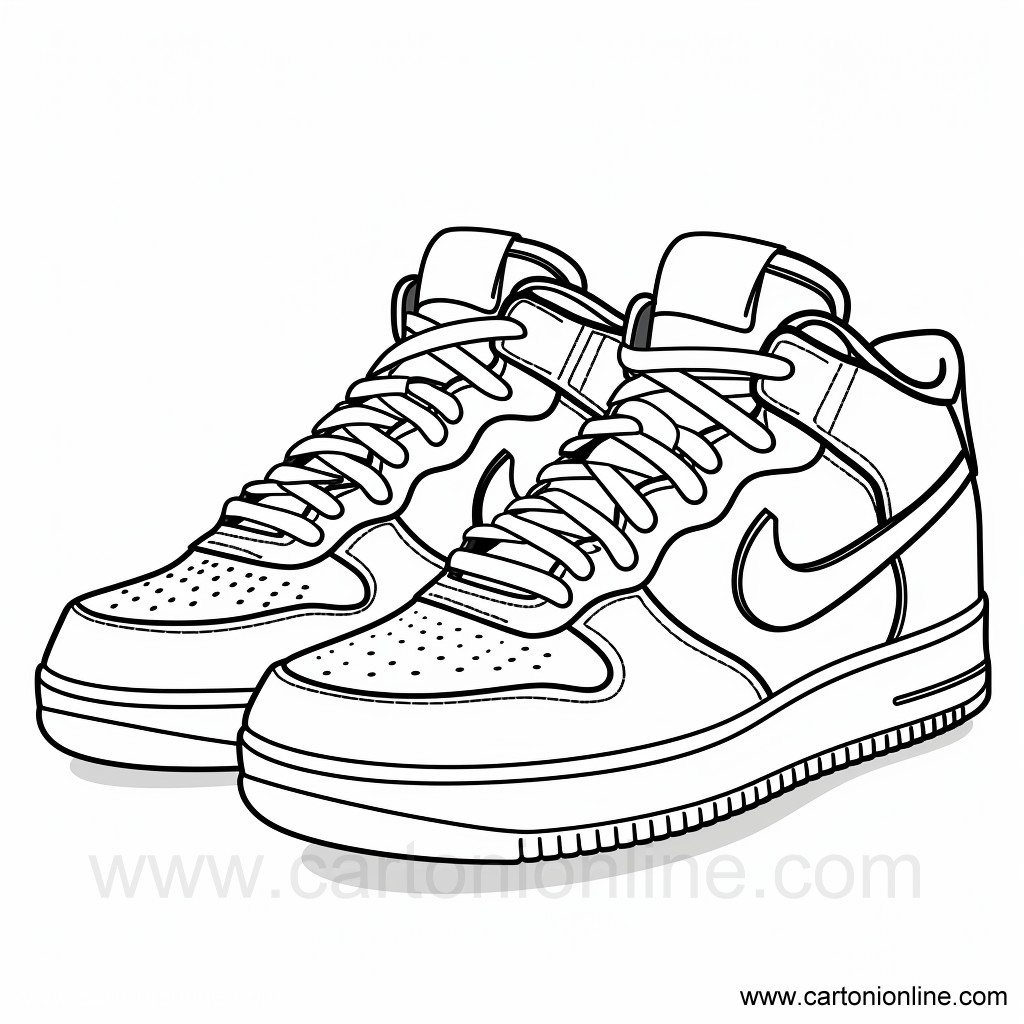
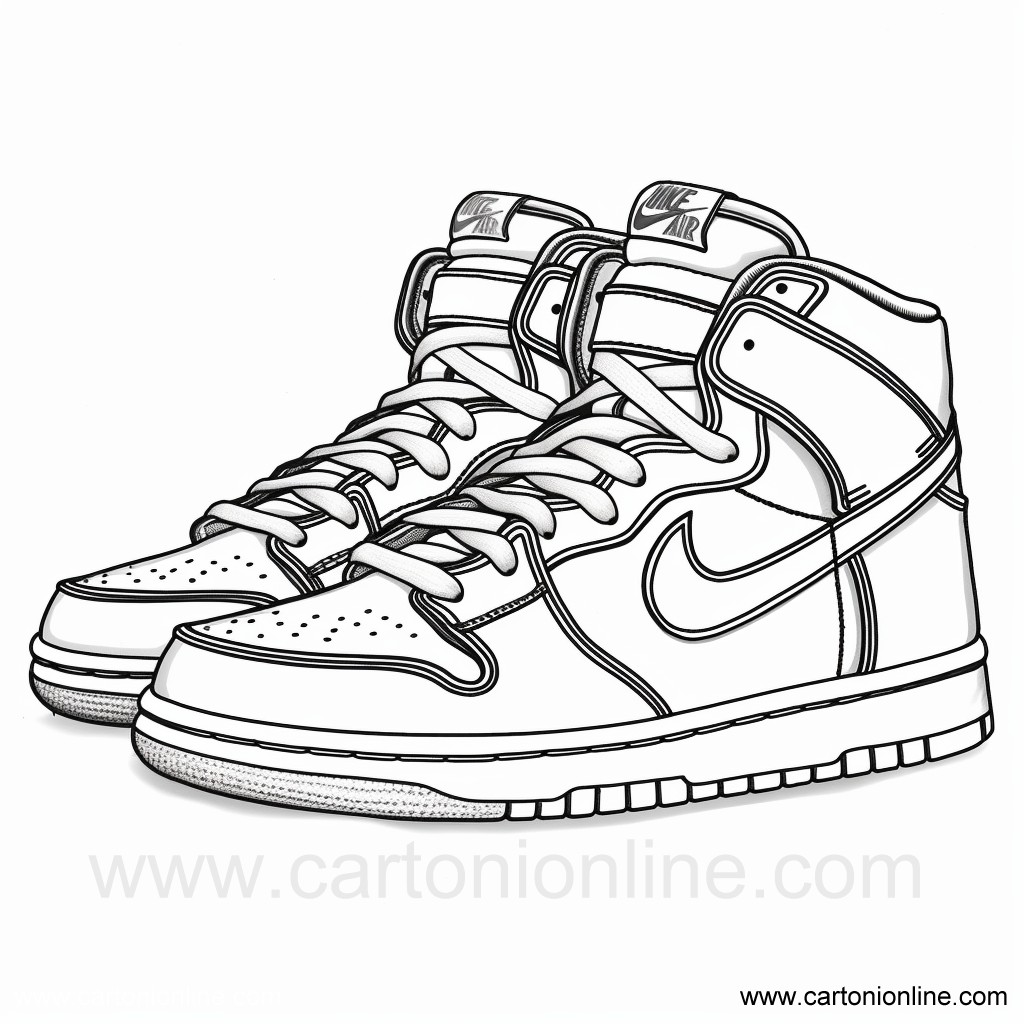
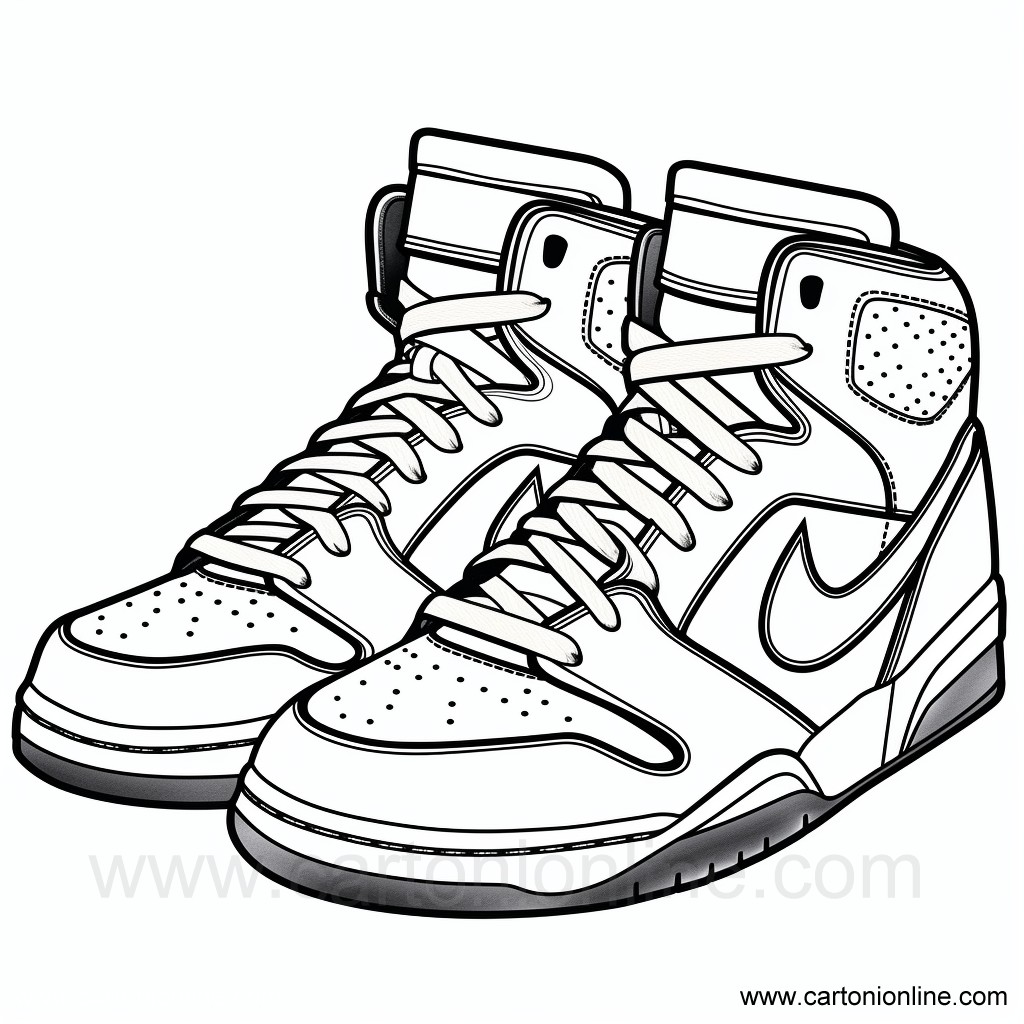
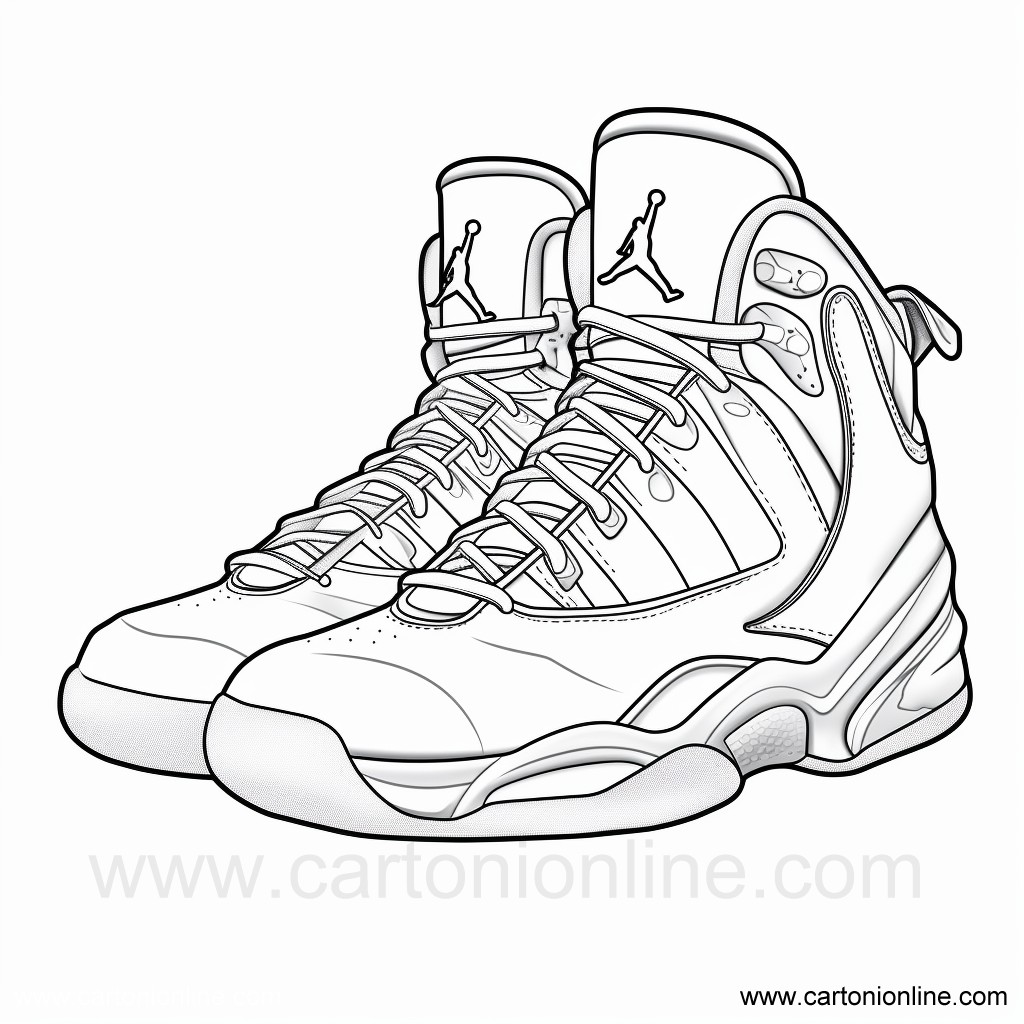
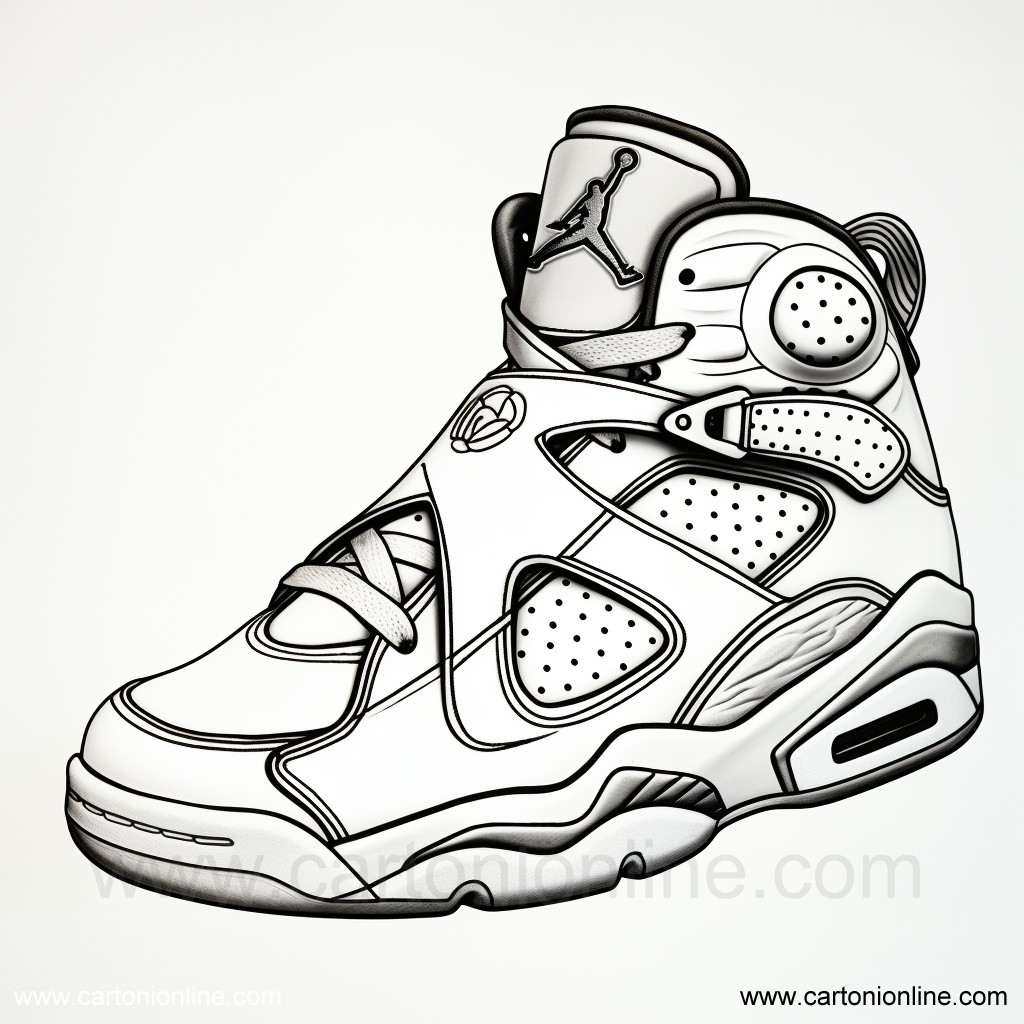
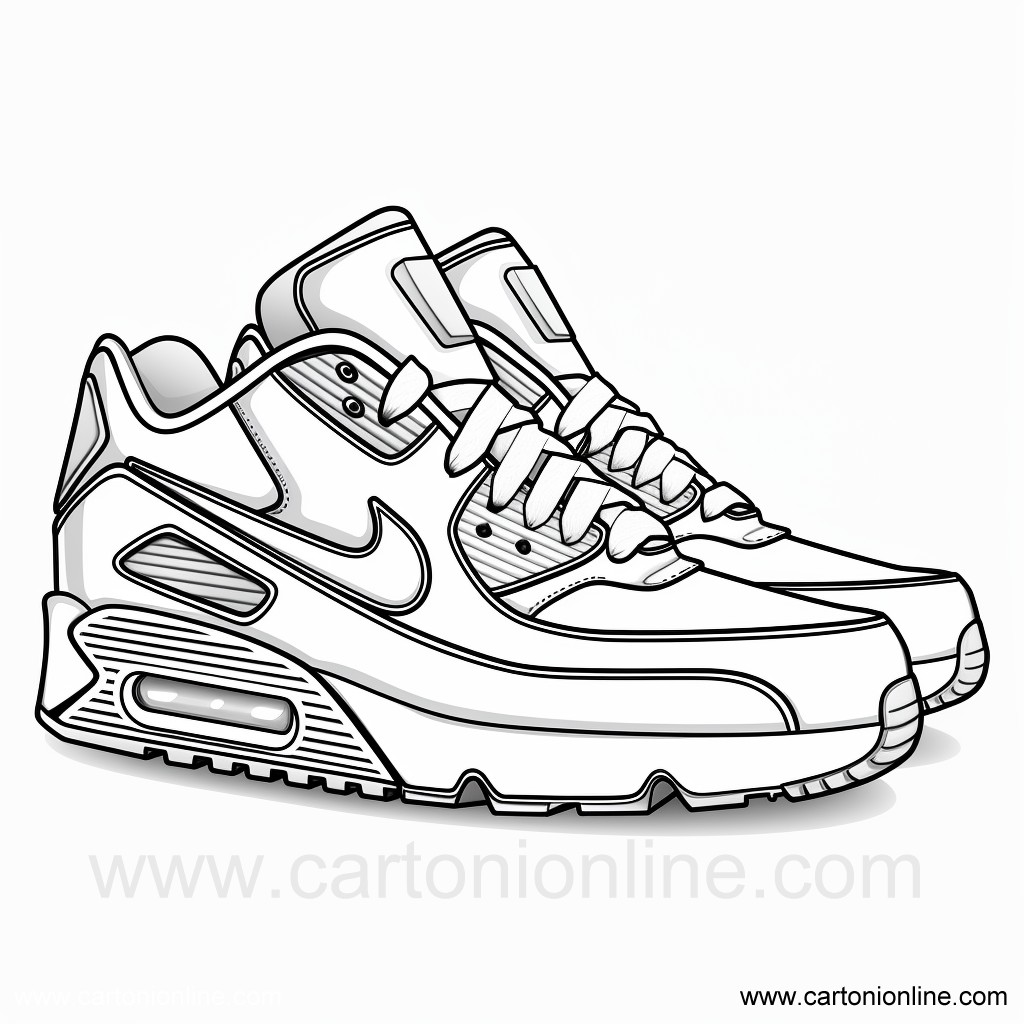
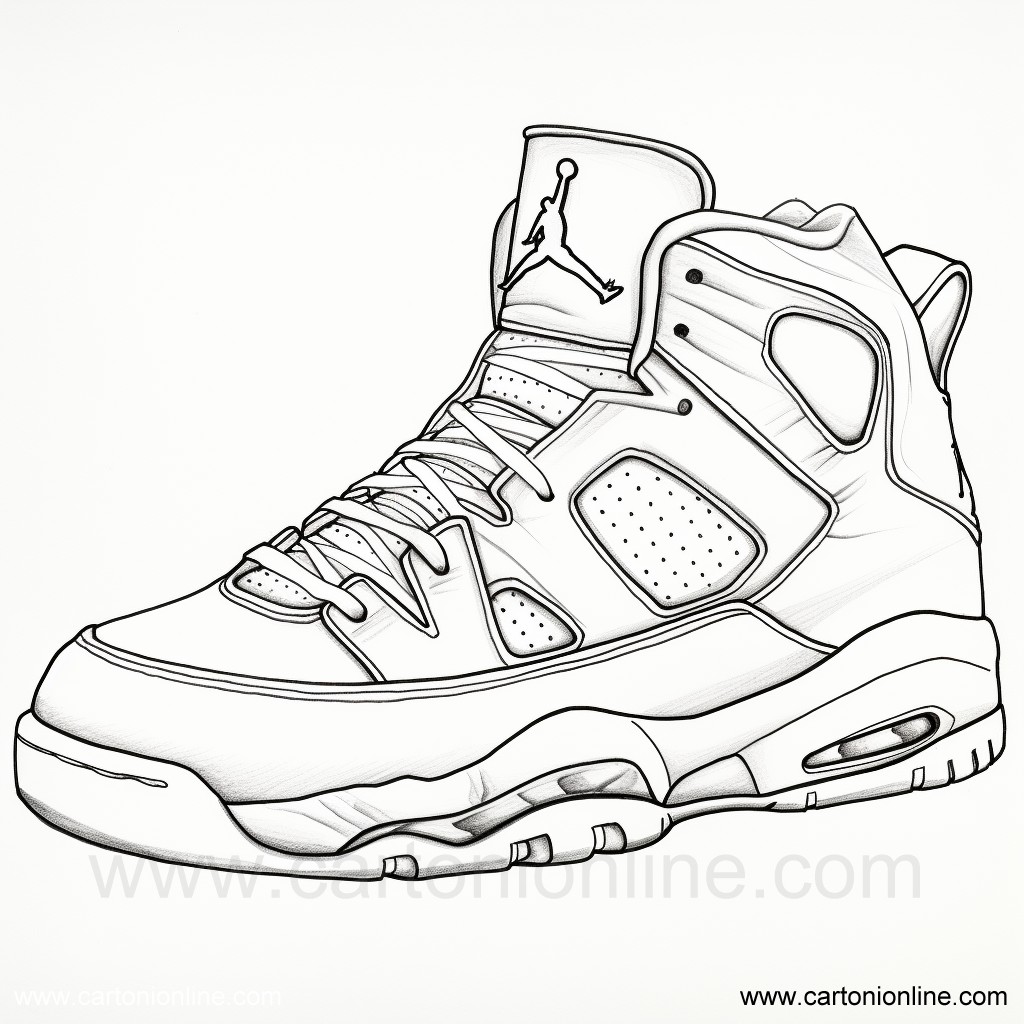
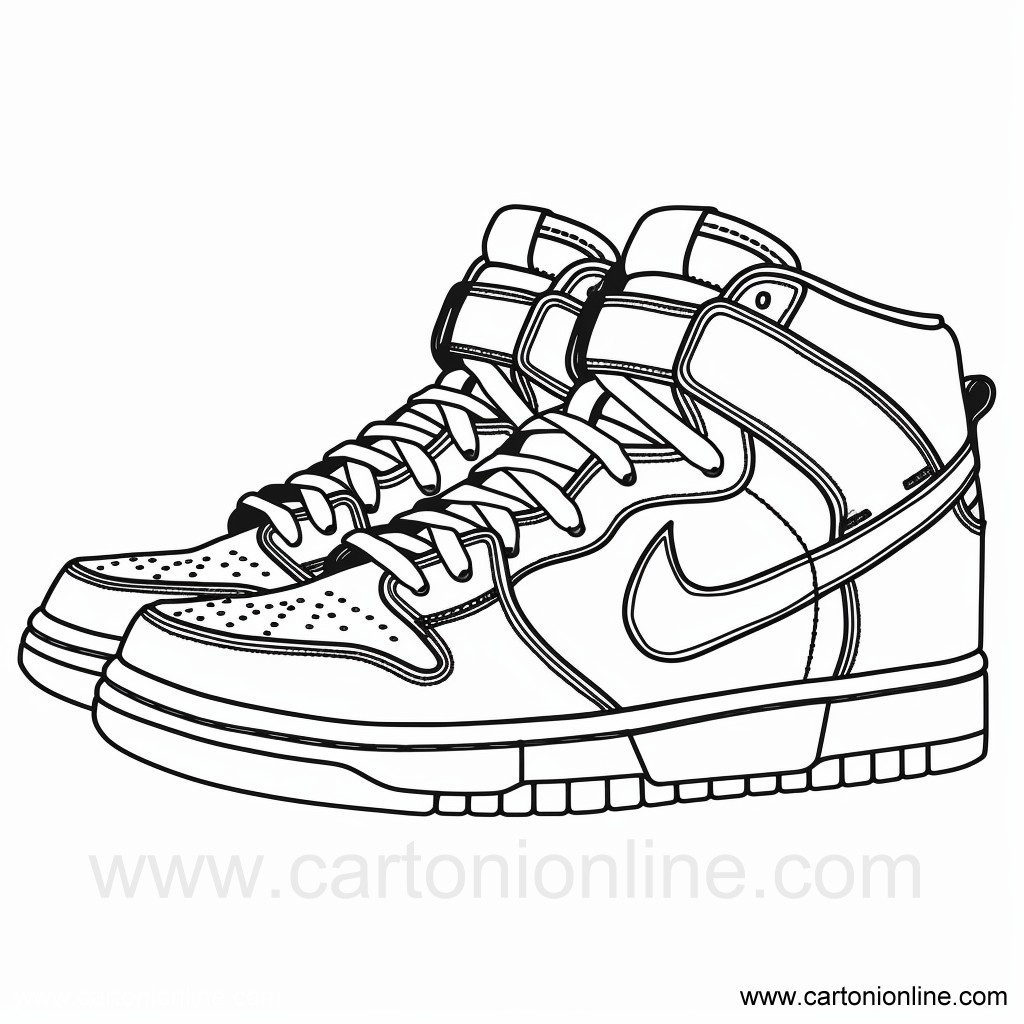
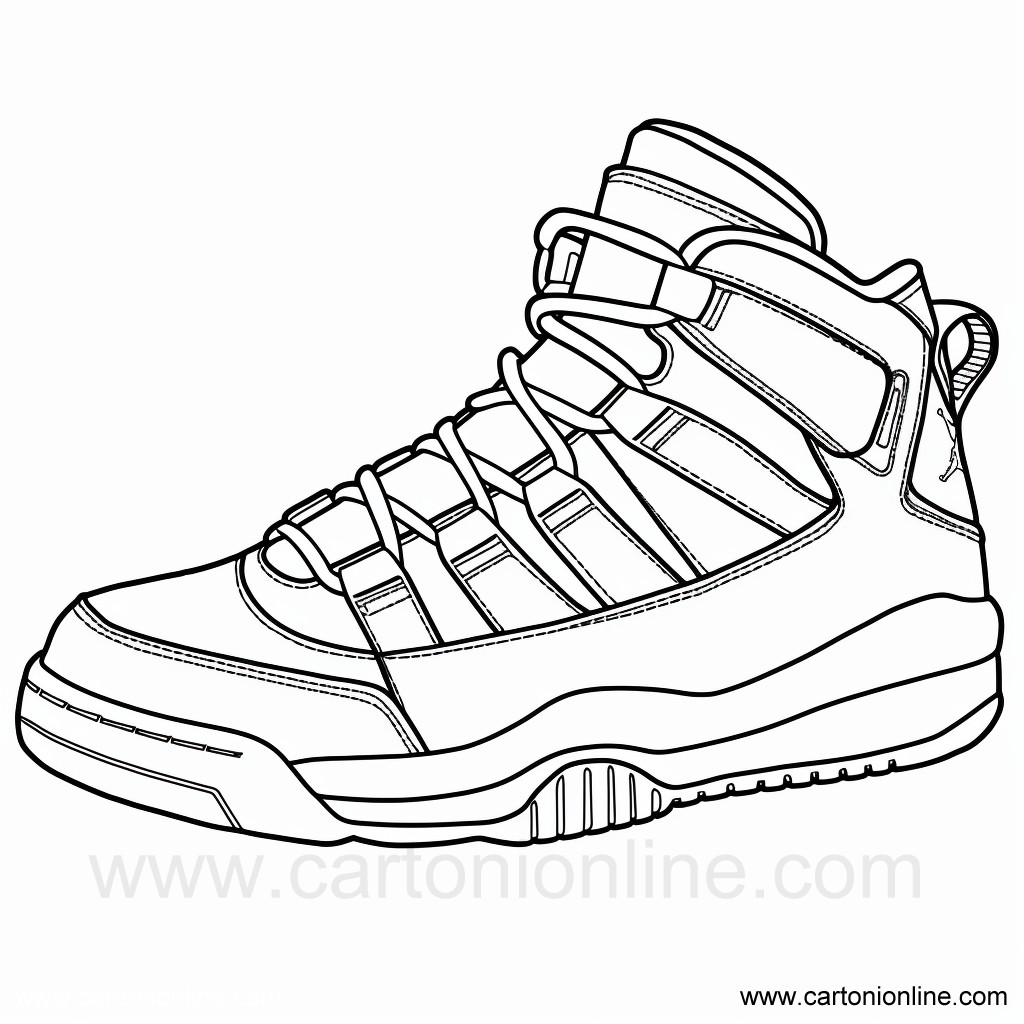
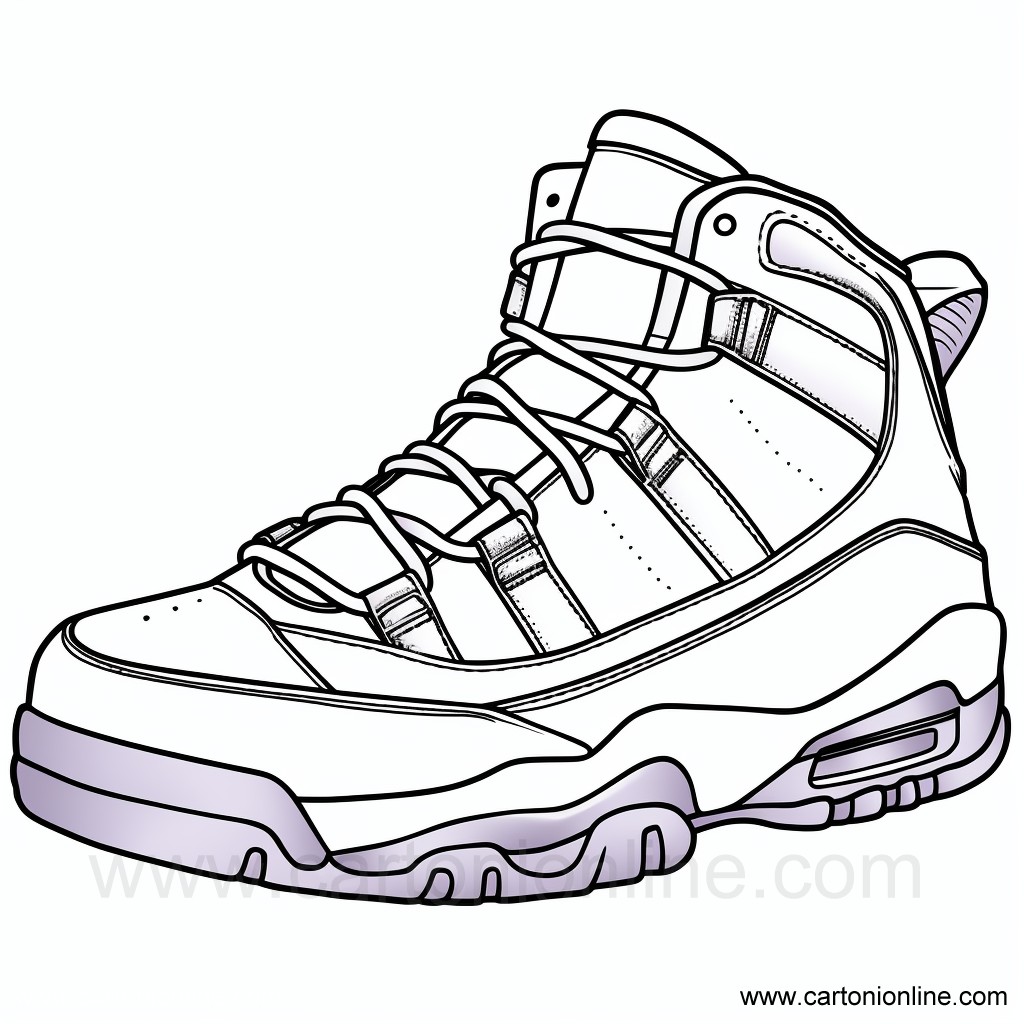
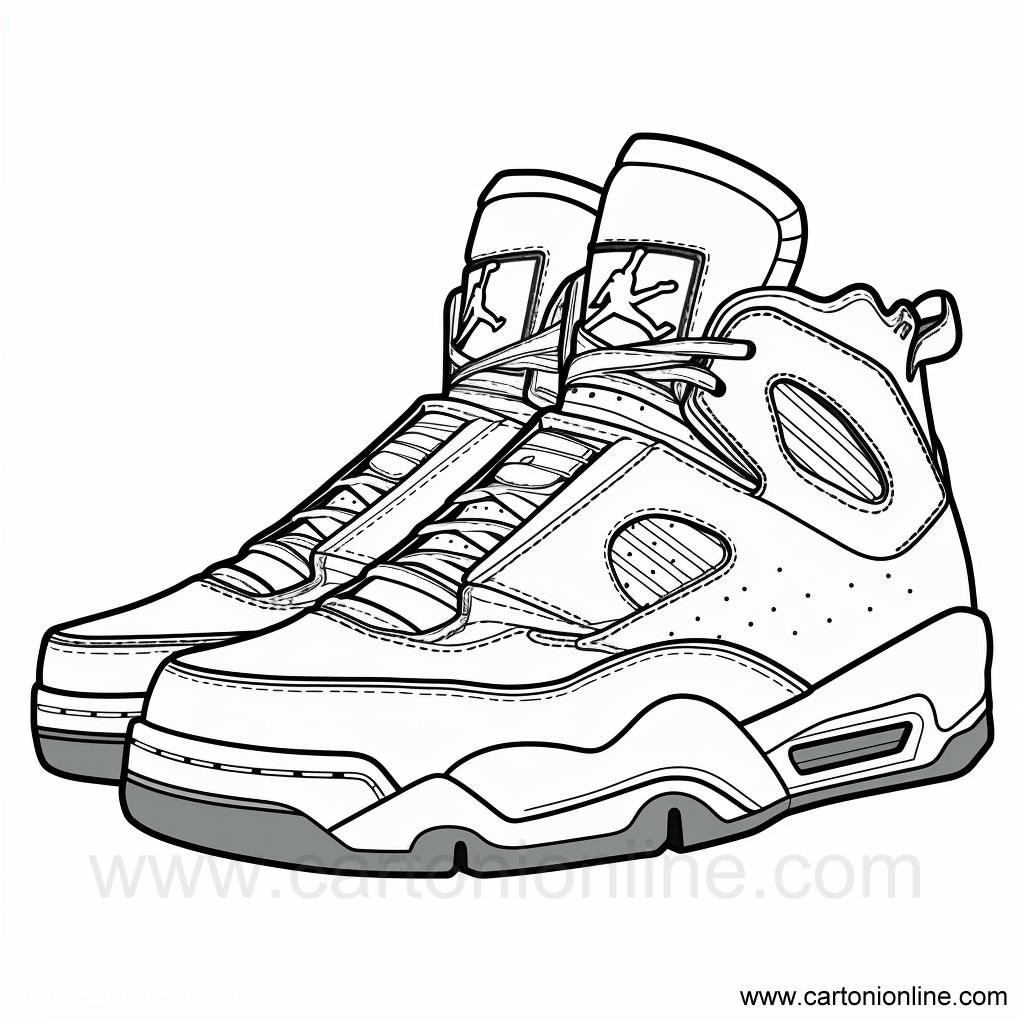
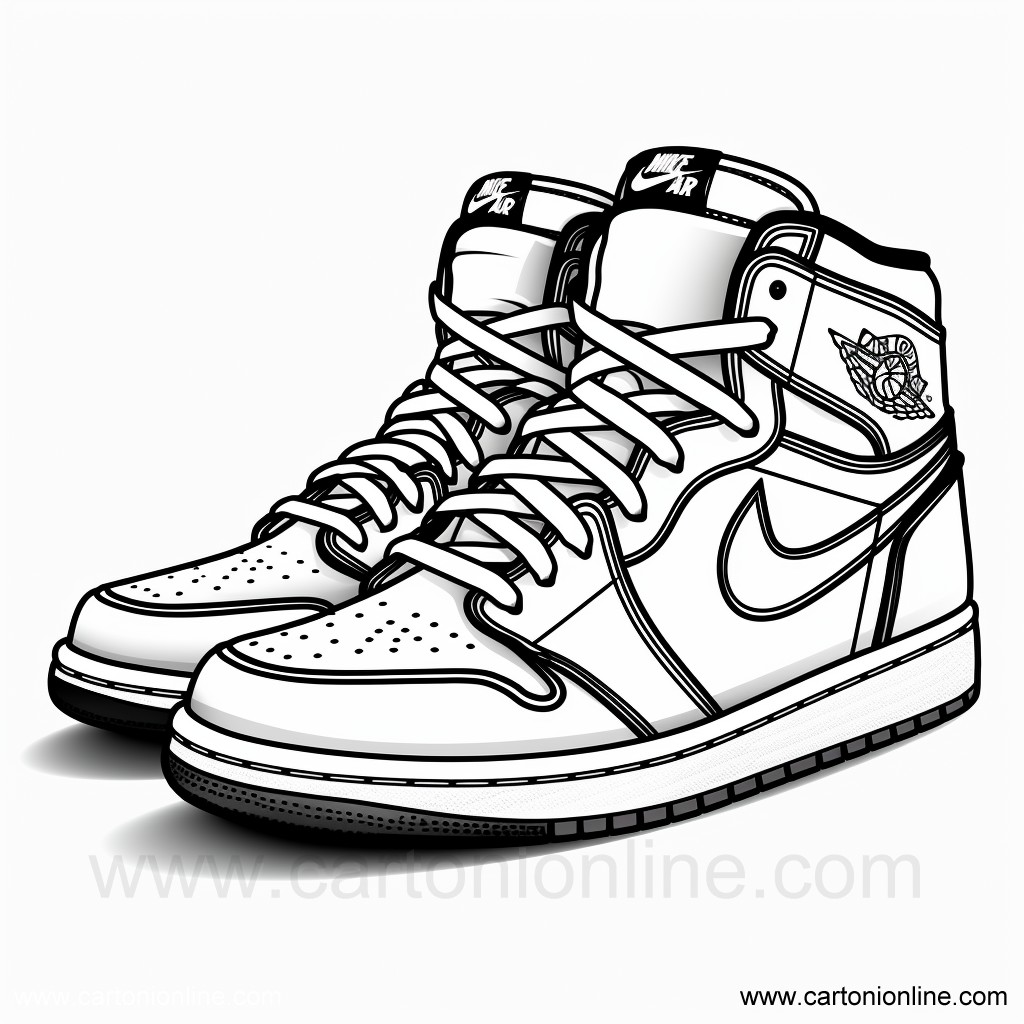
Jordan Nike Shoes coloring pages
Welcome to
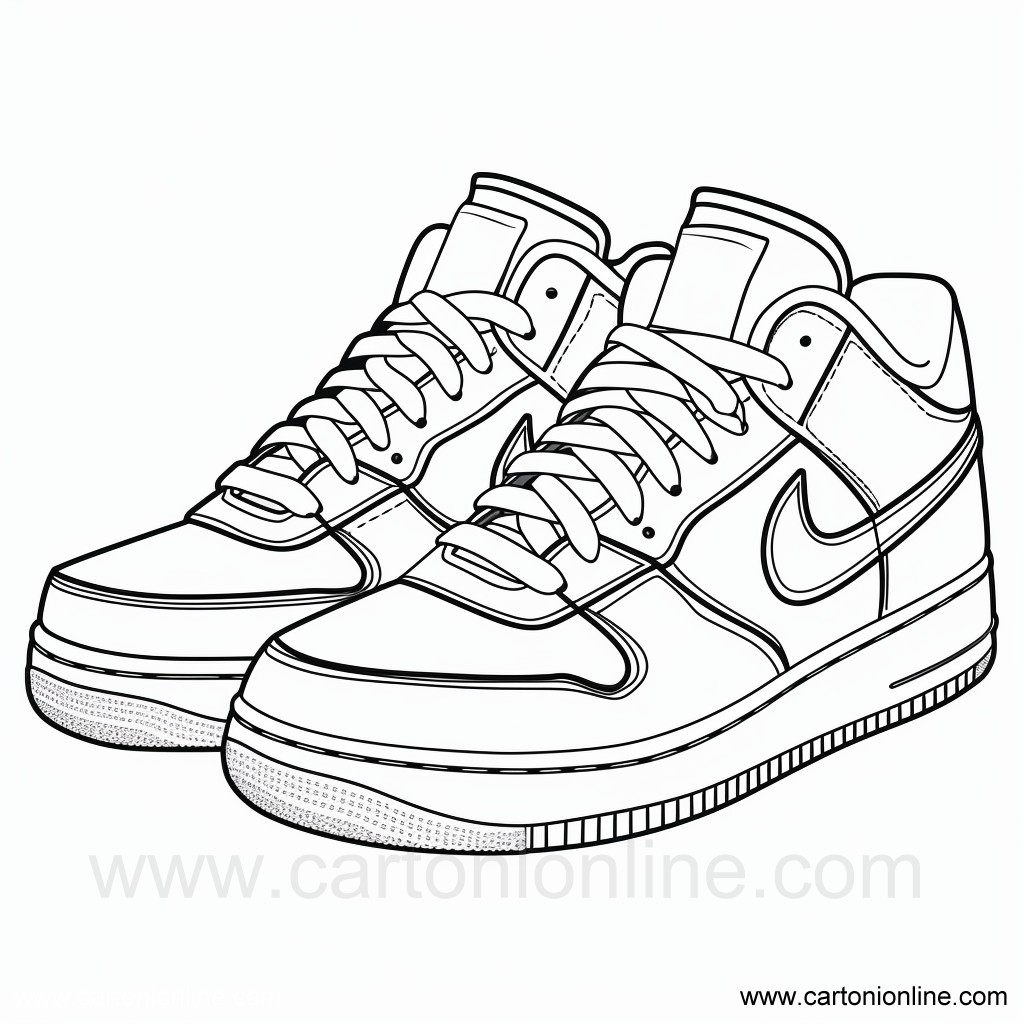
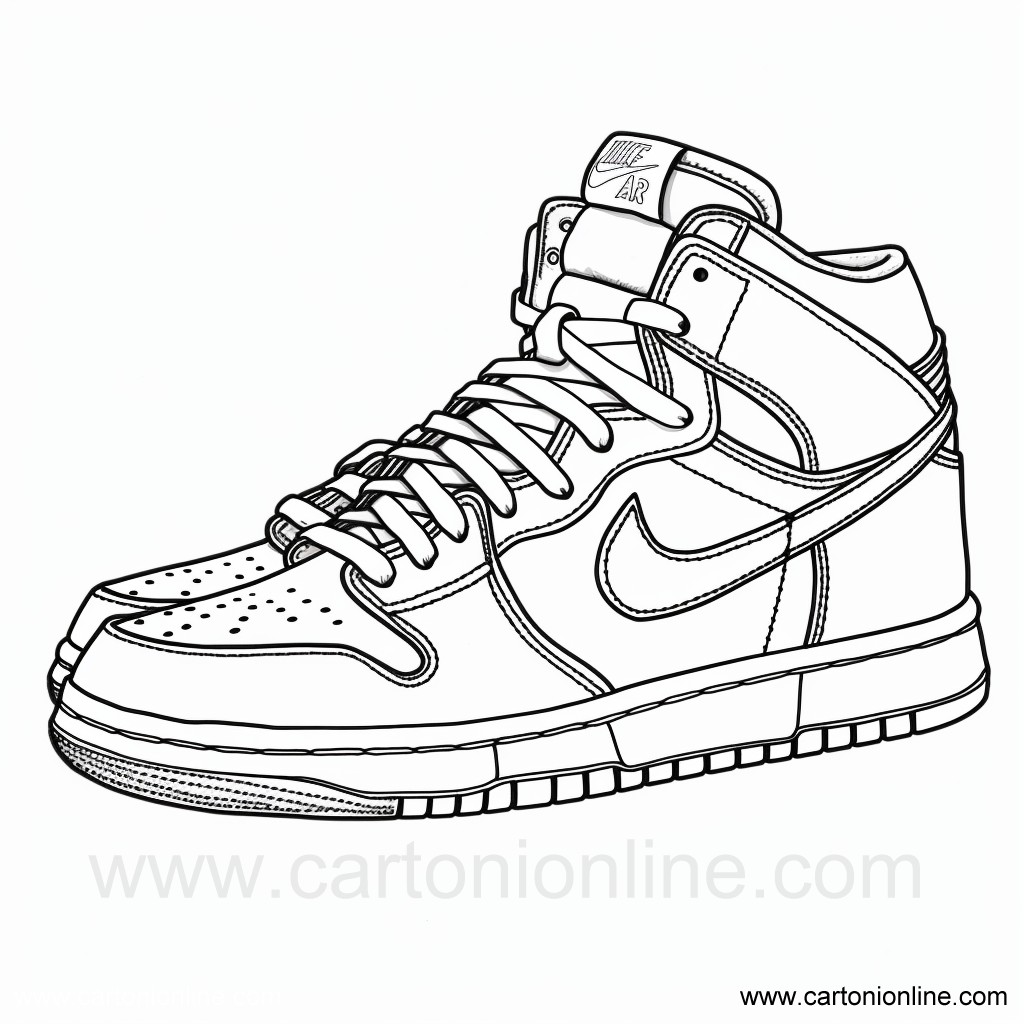
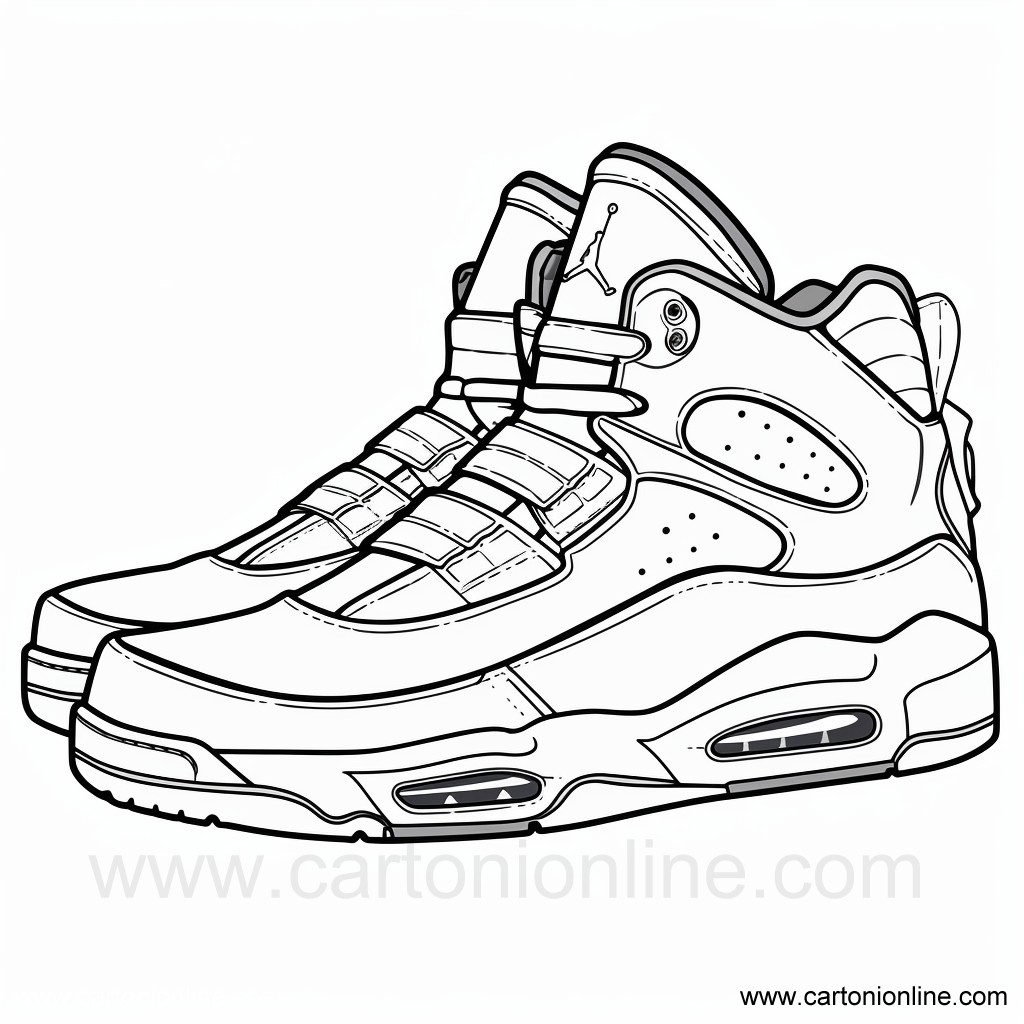
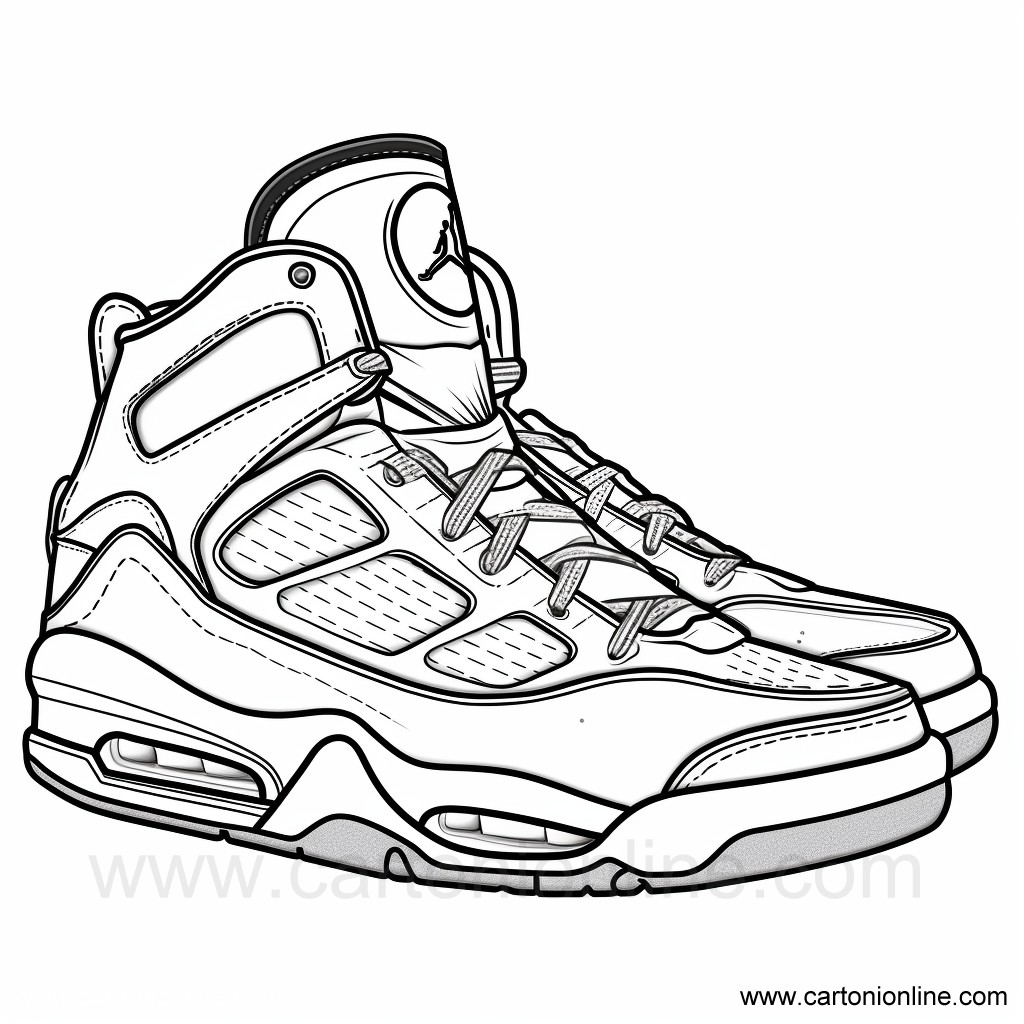
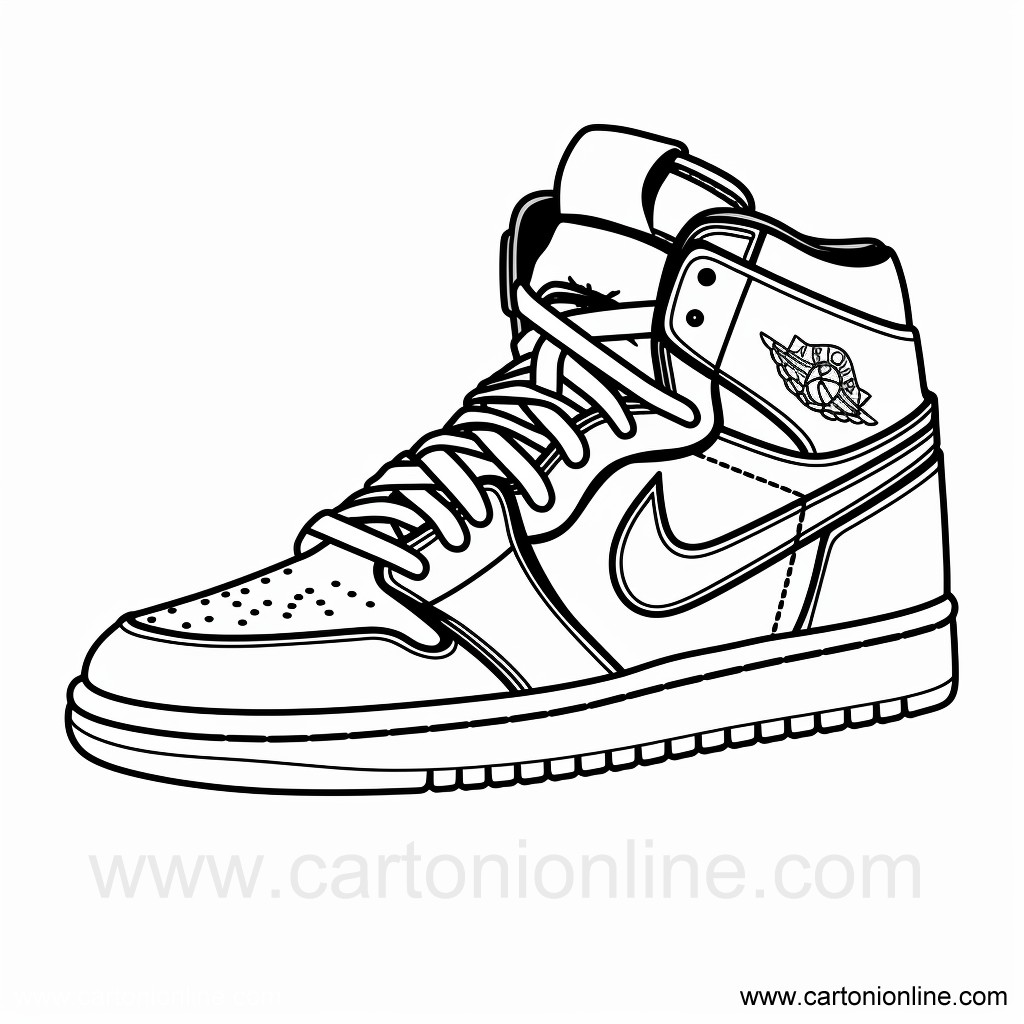
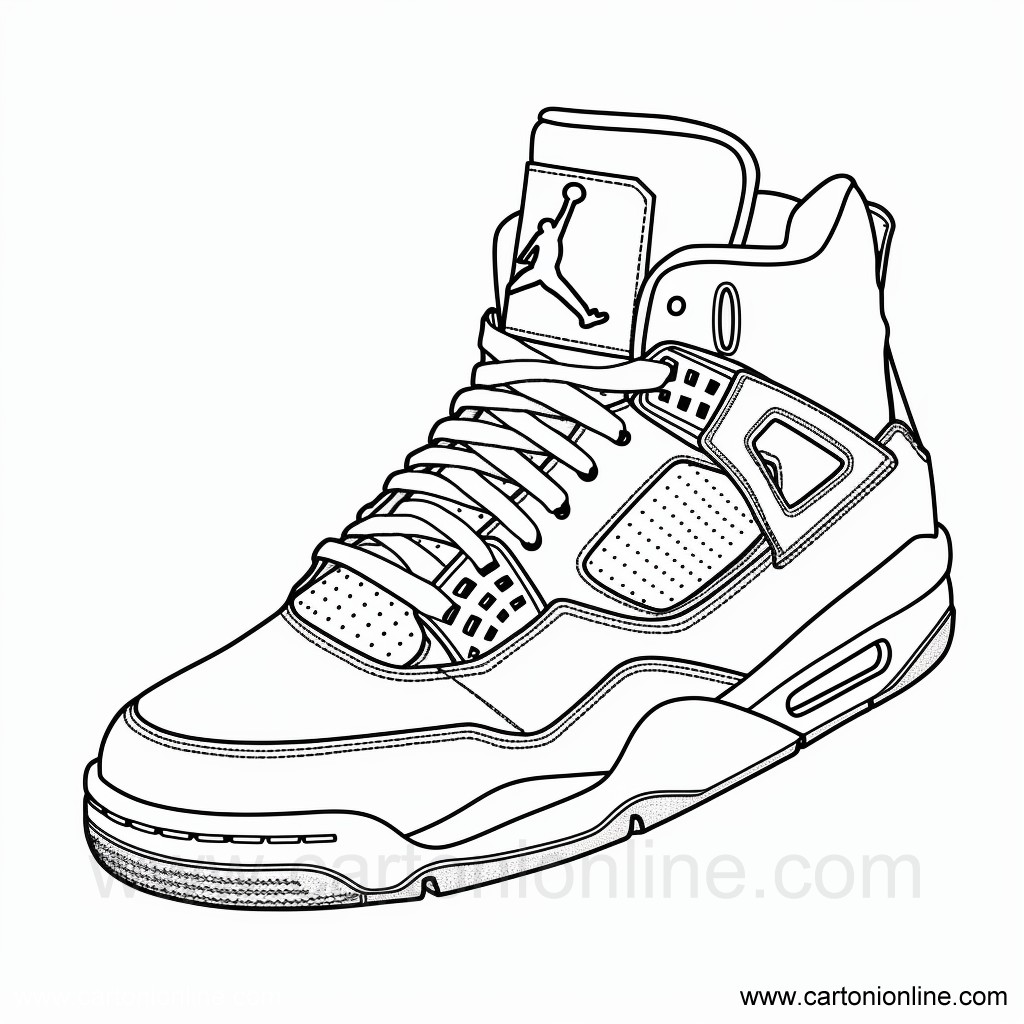
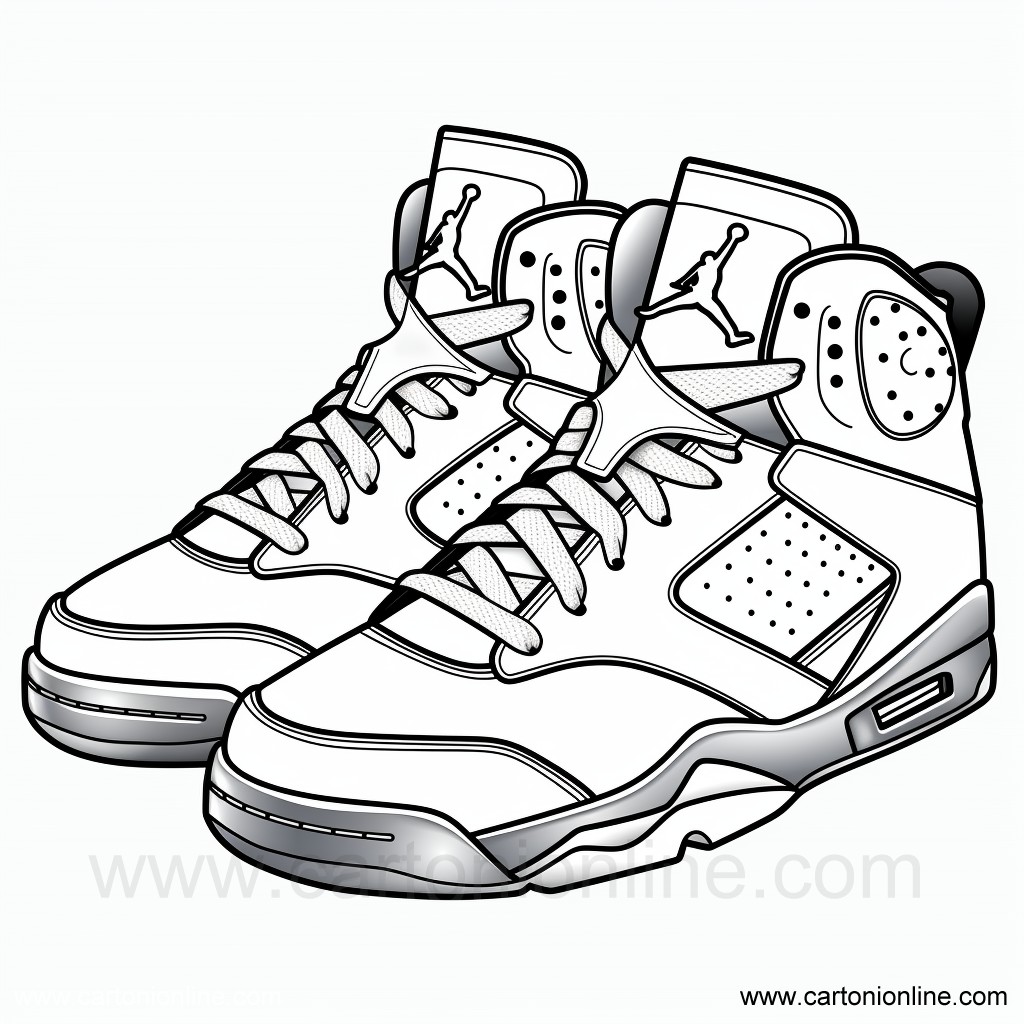
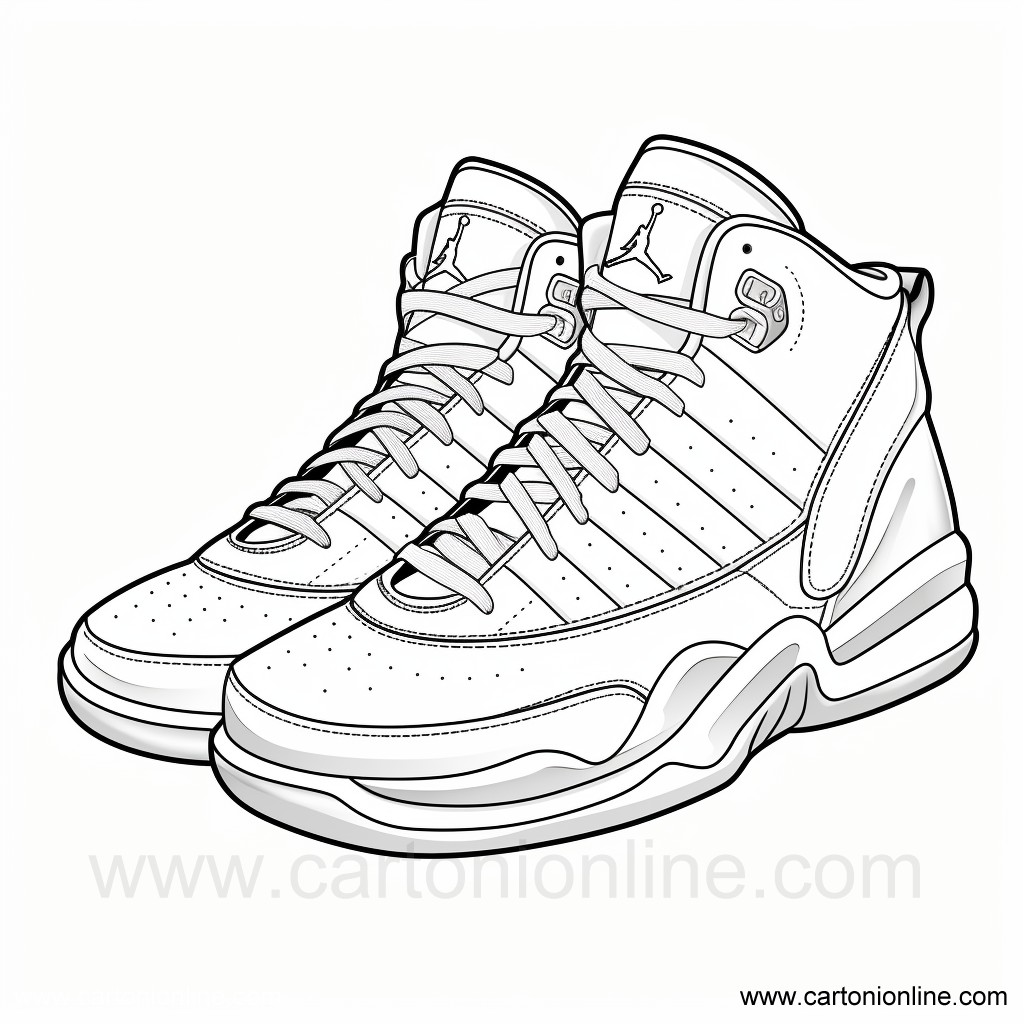
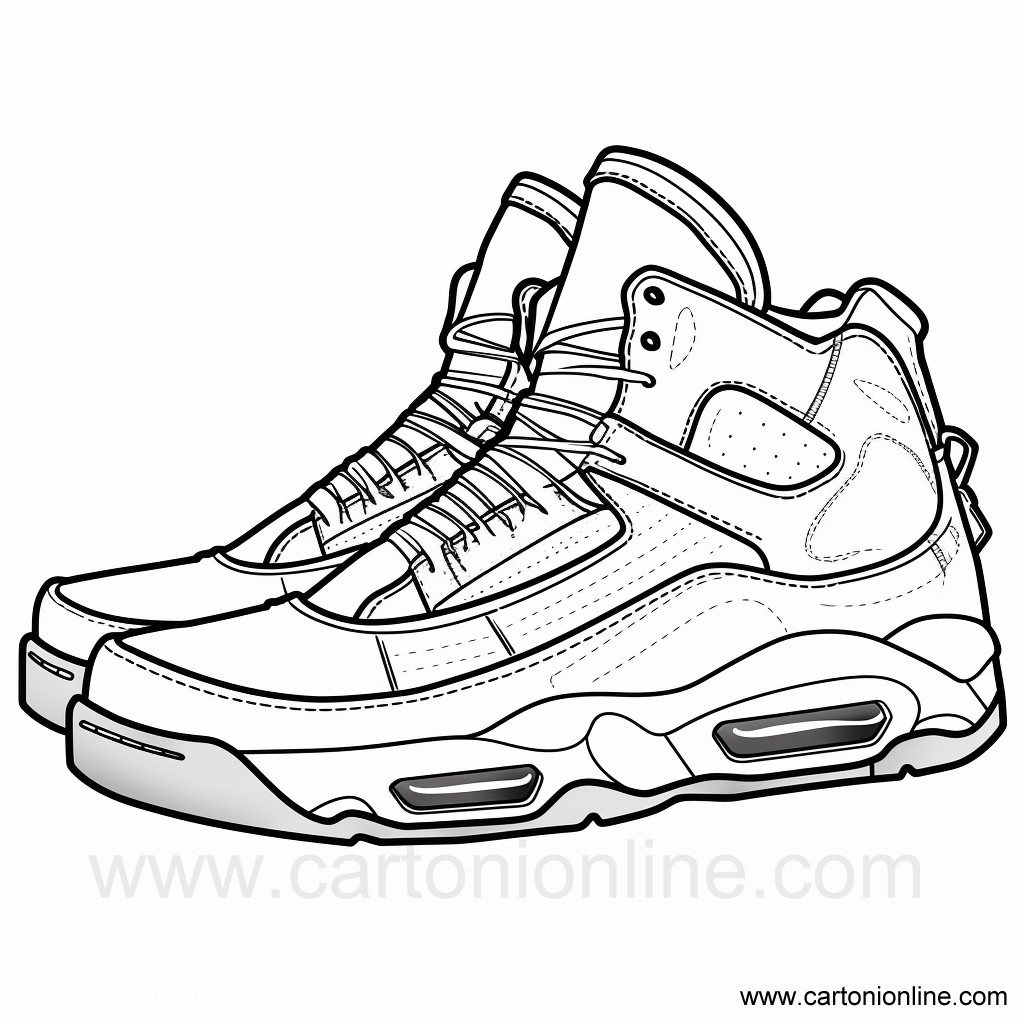
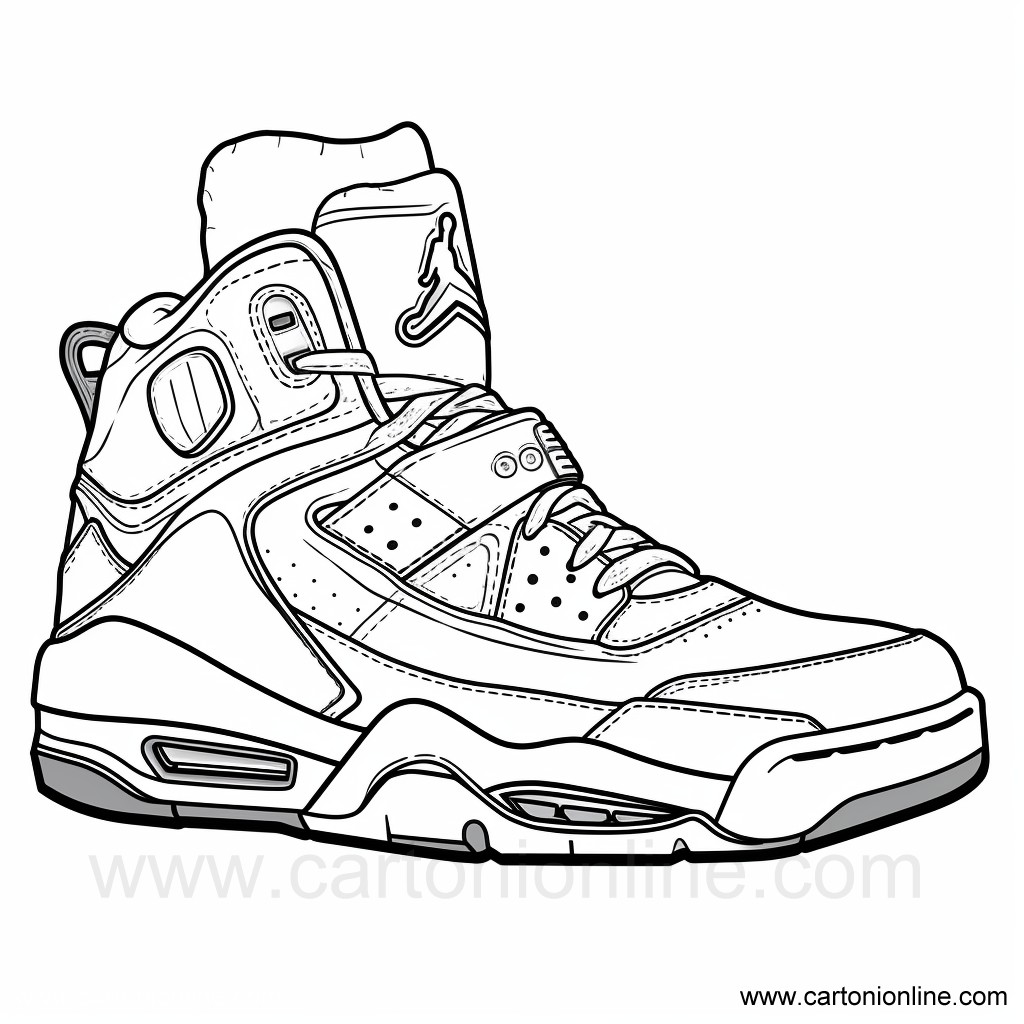
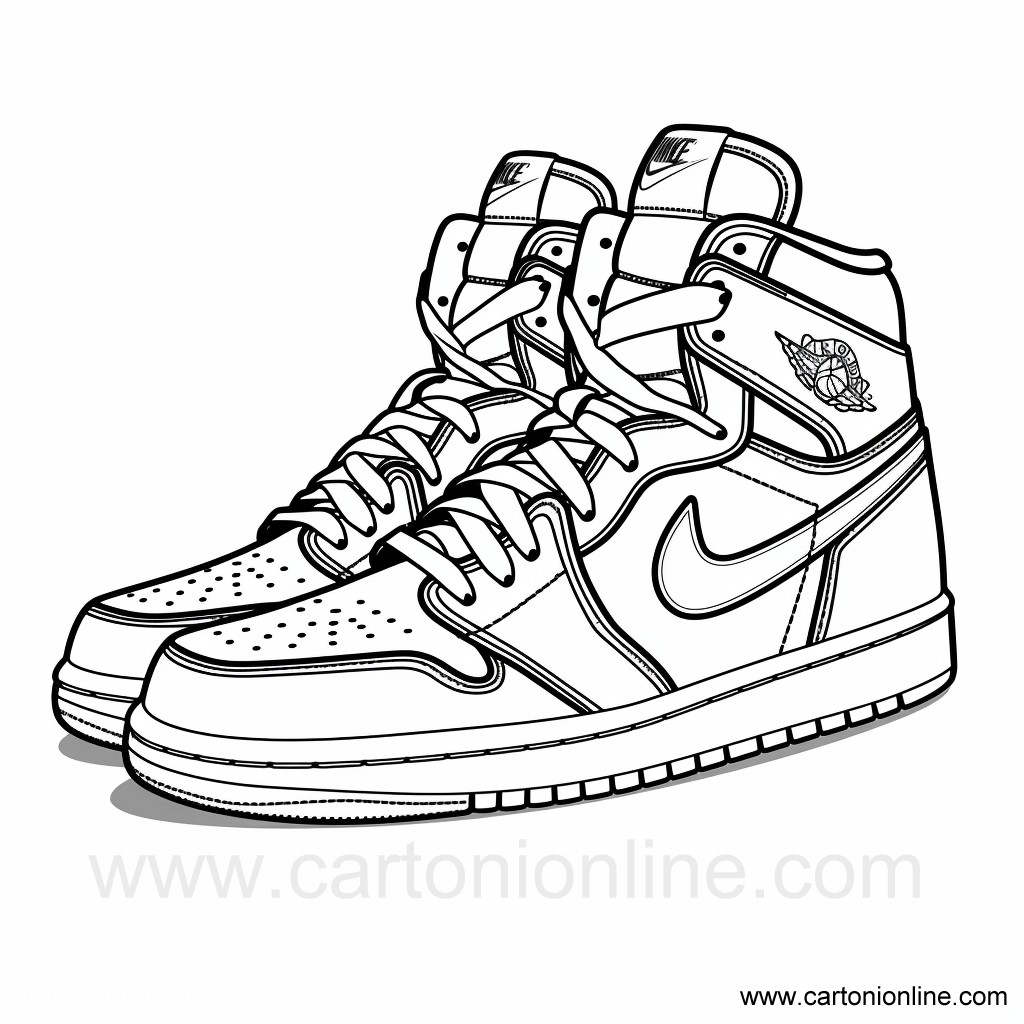
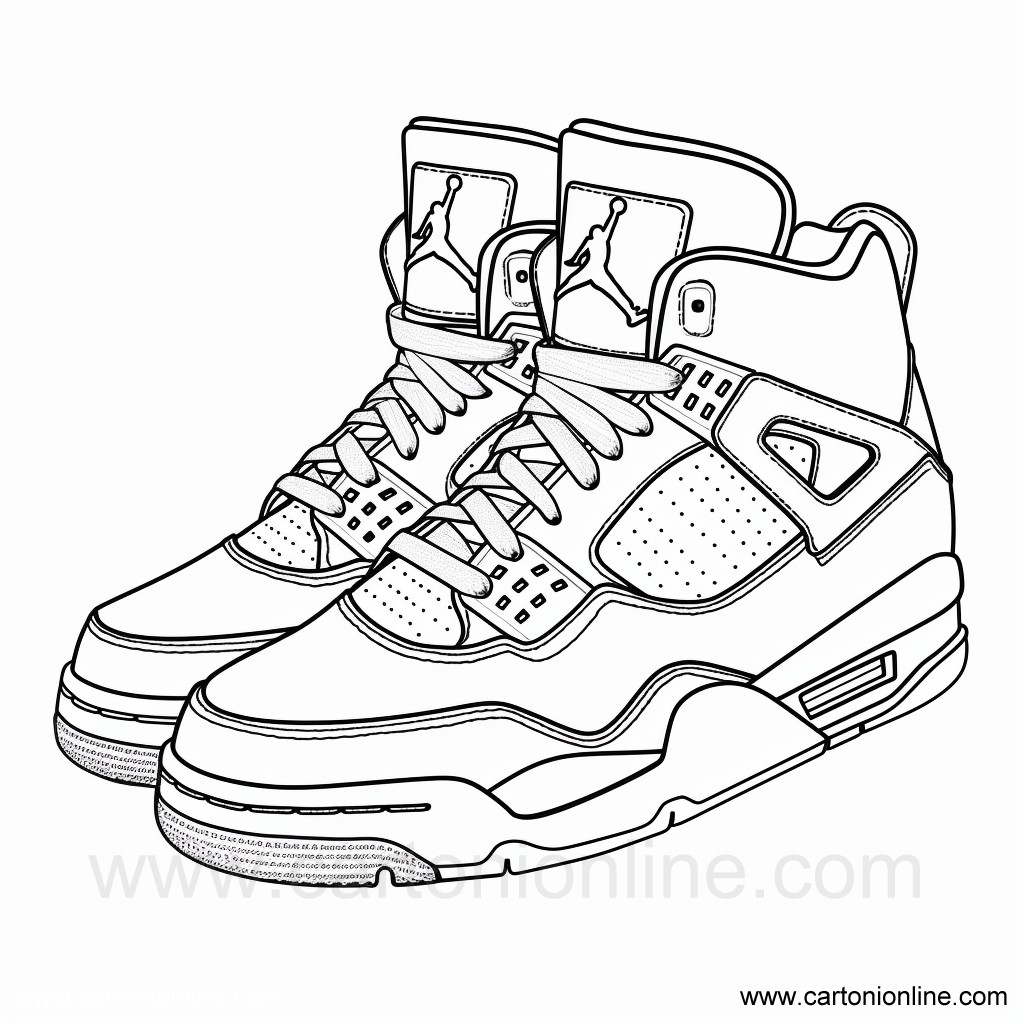
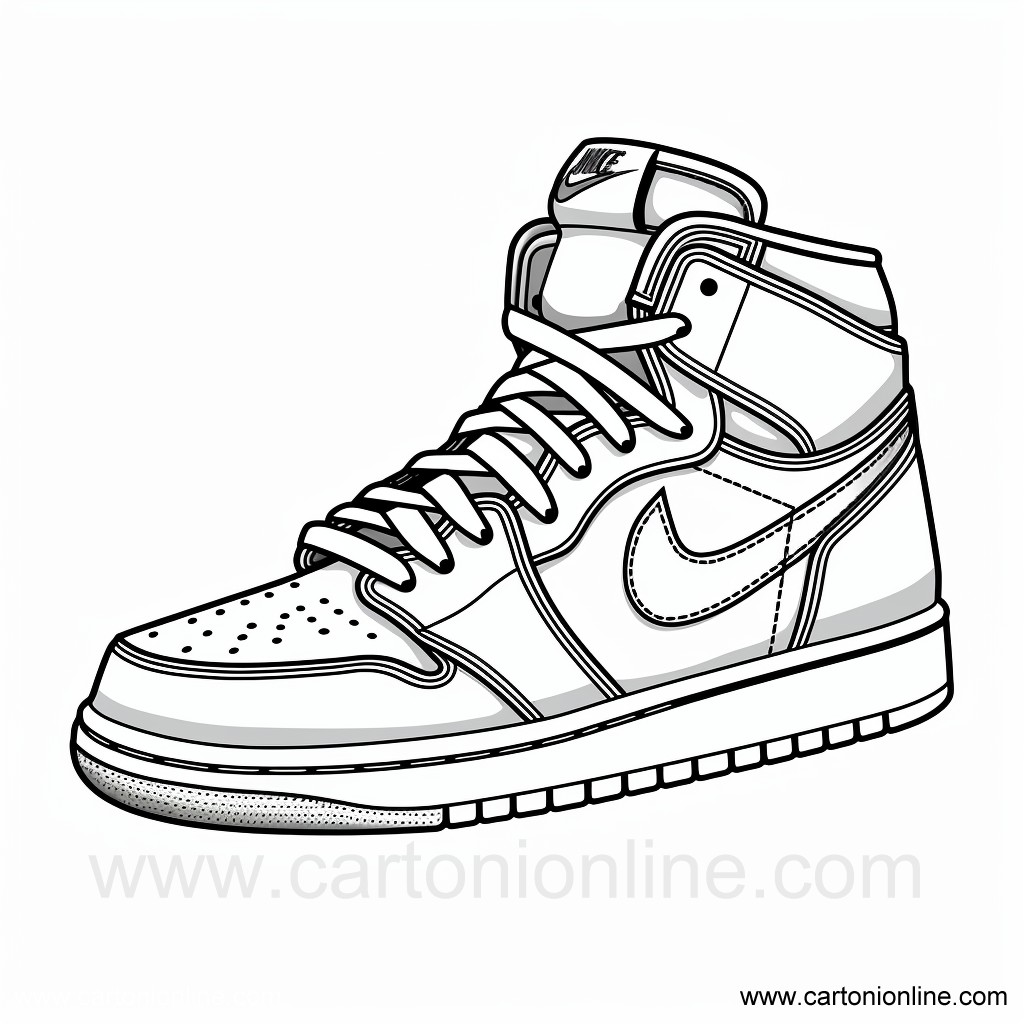
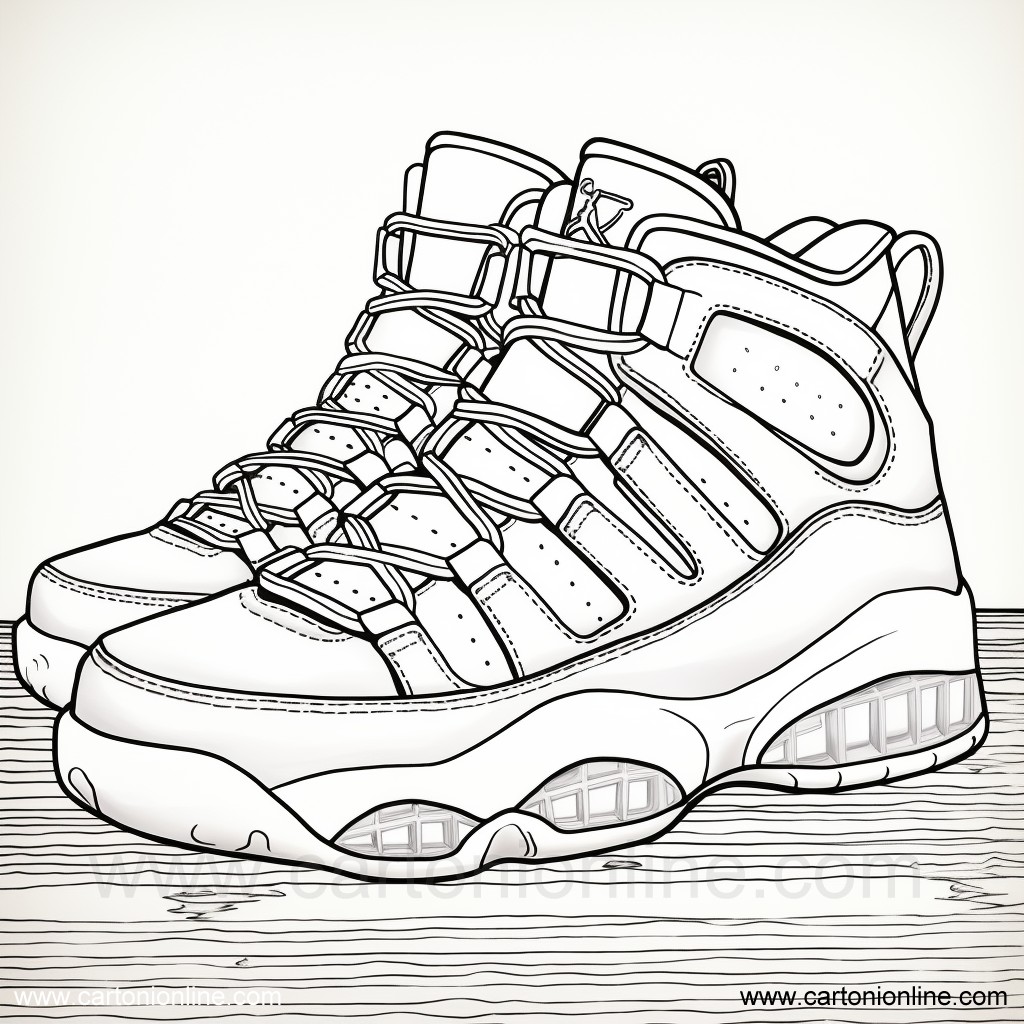
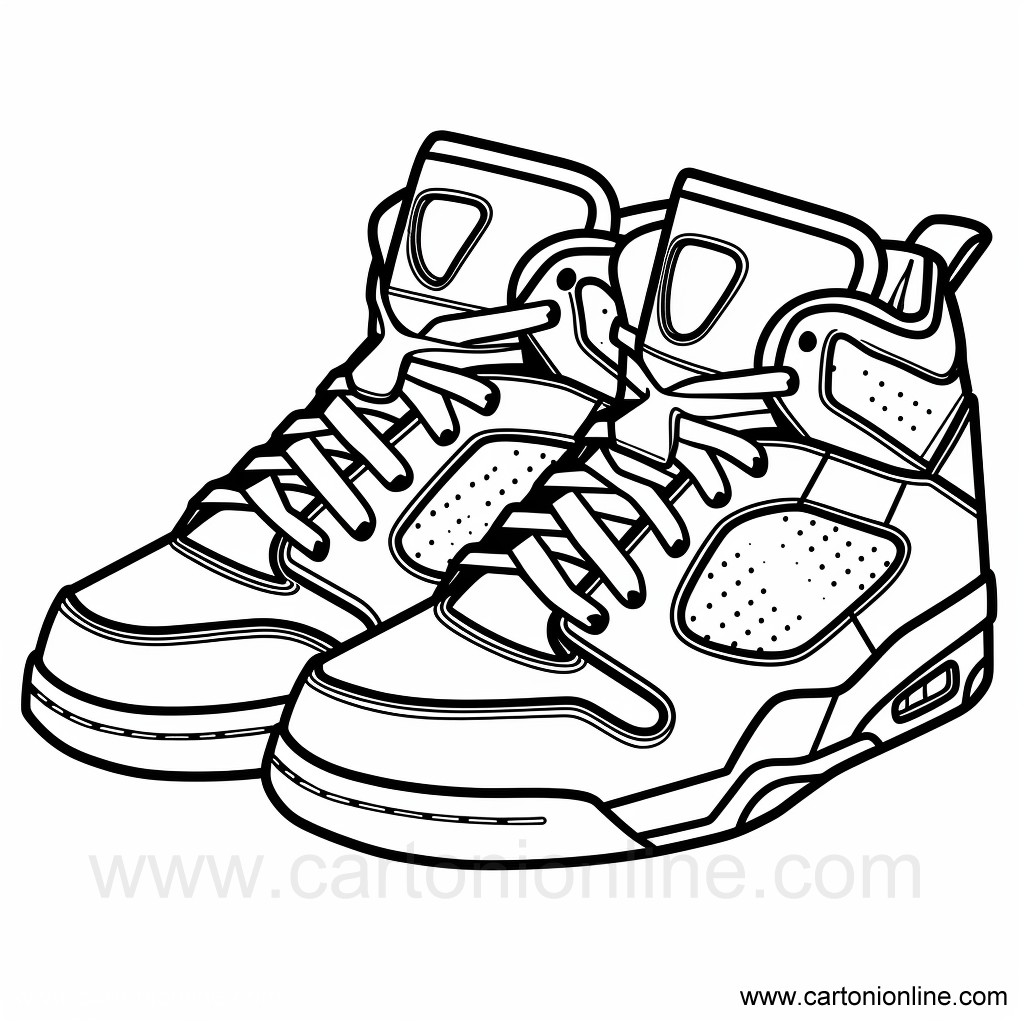
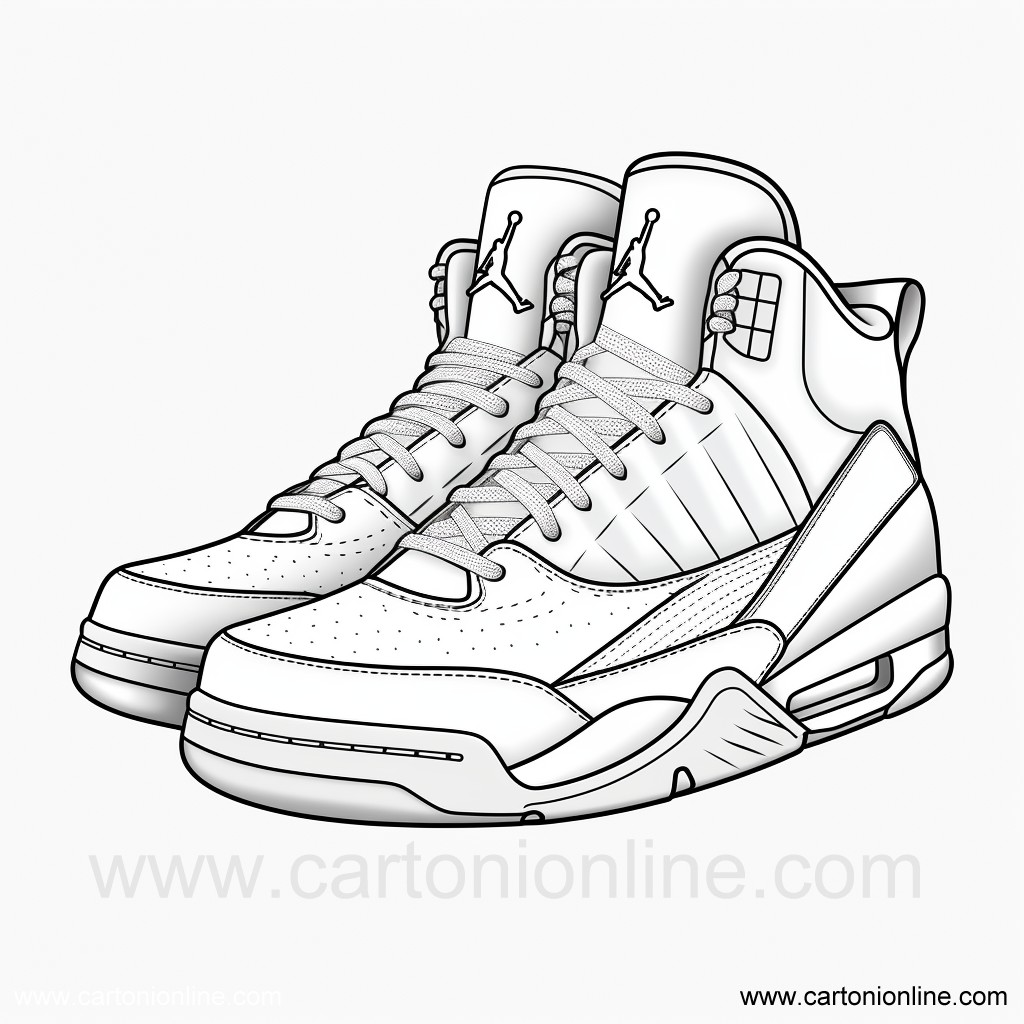
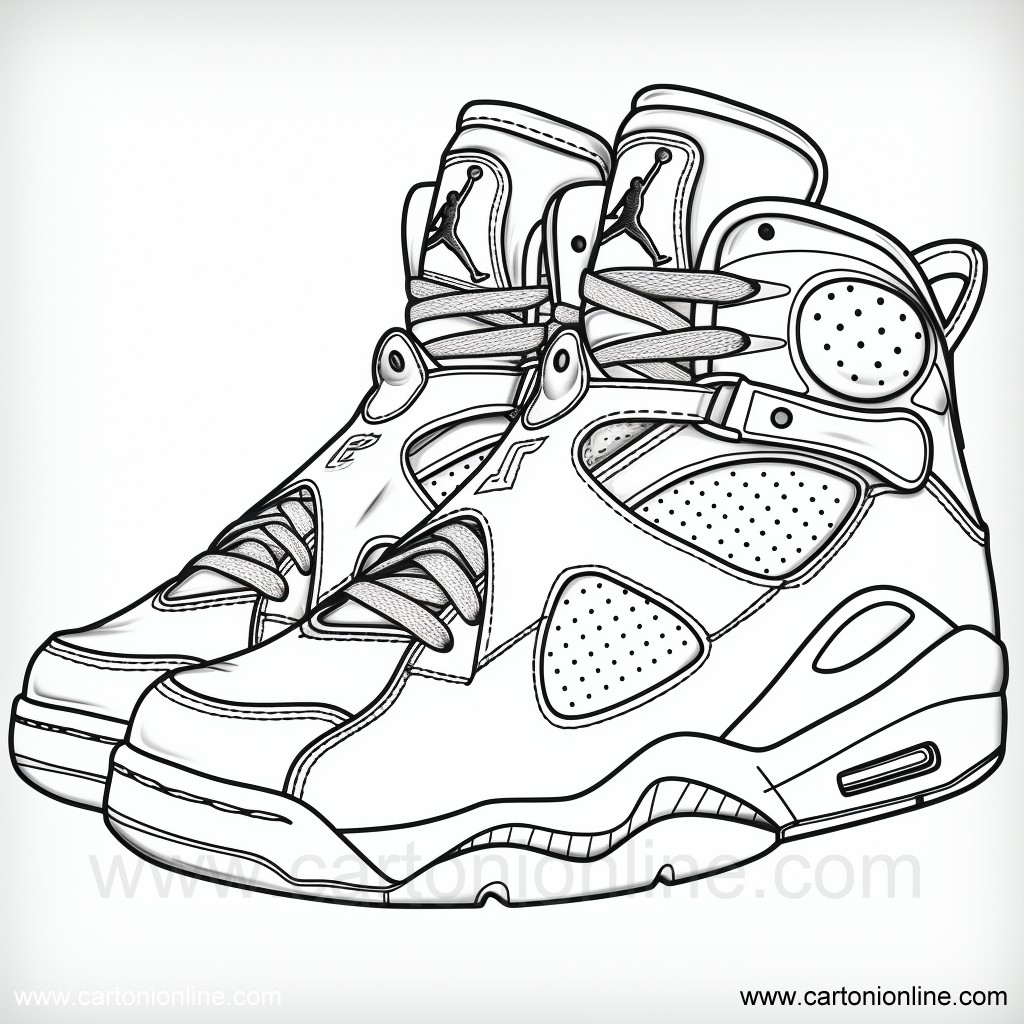
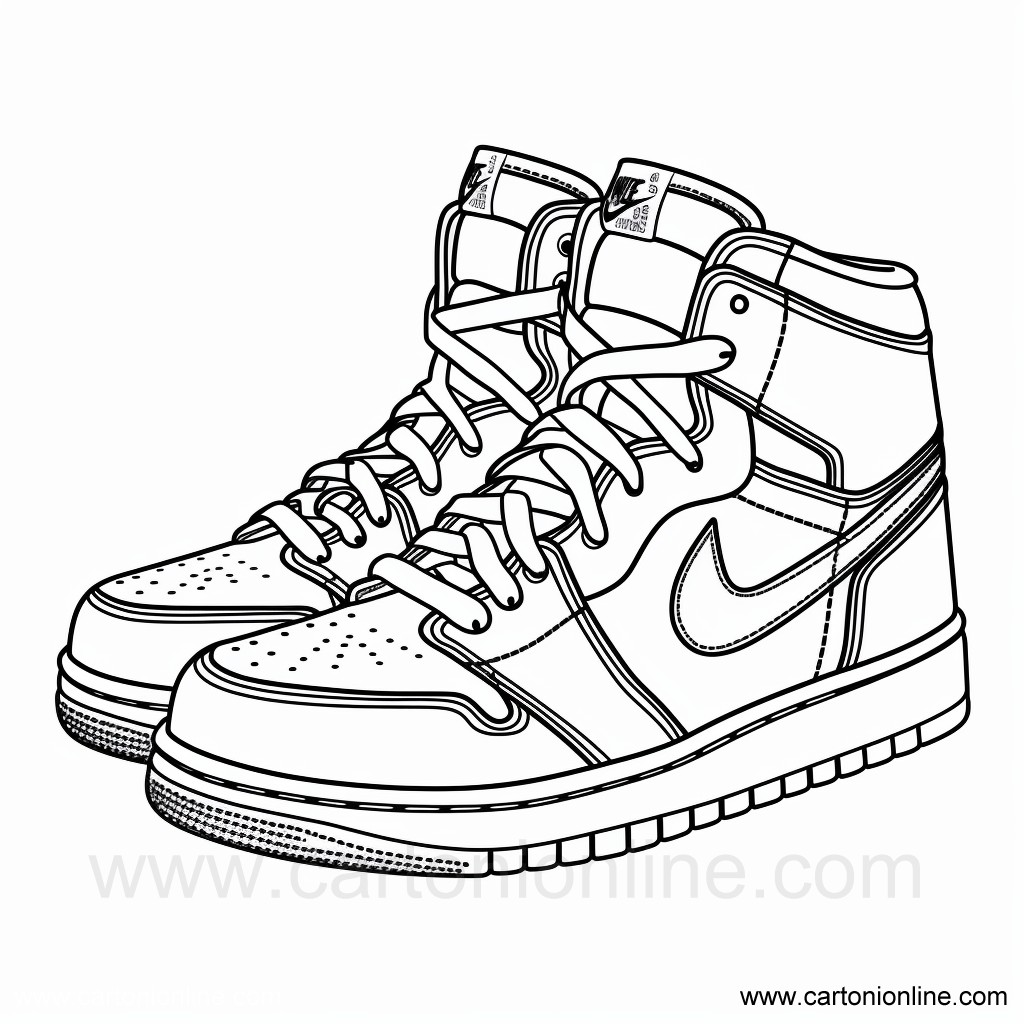
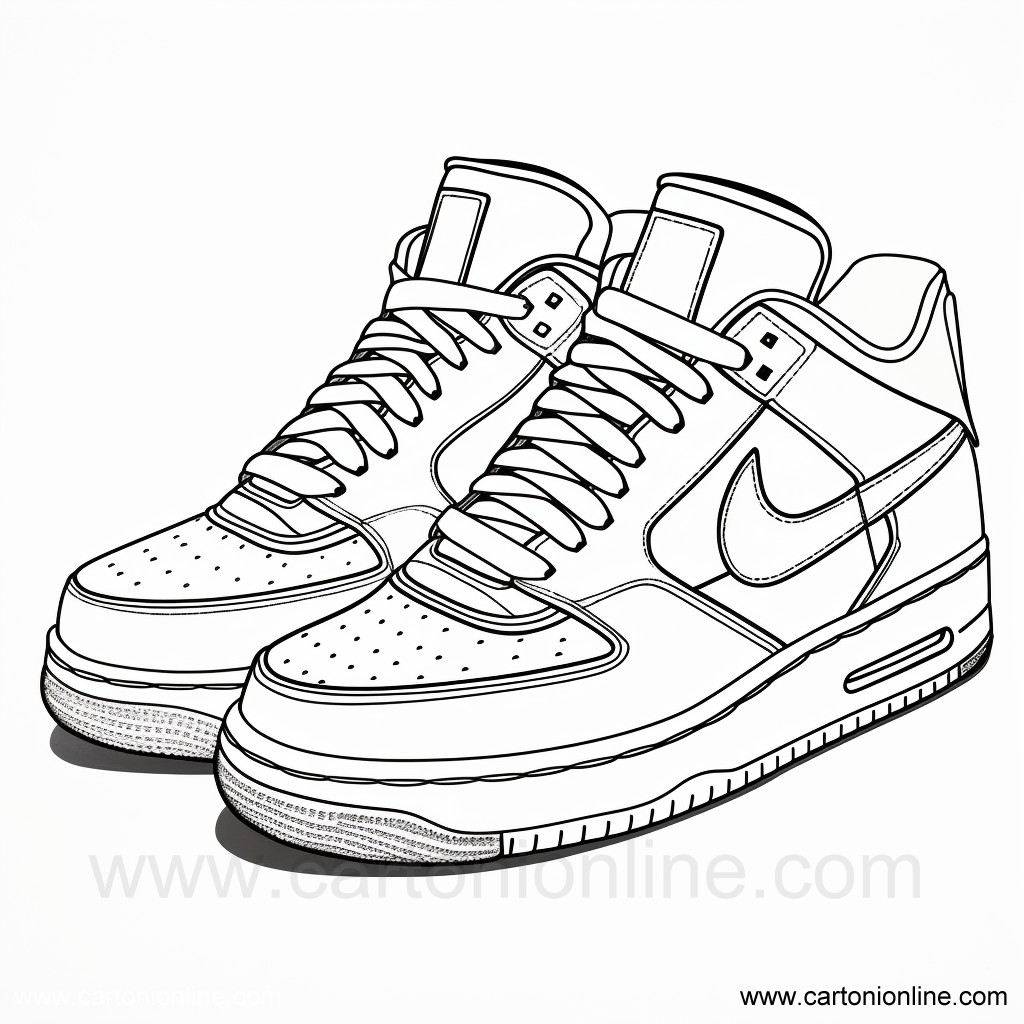
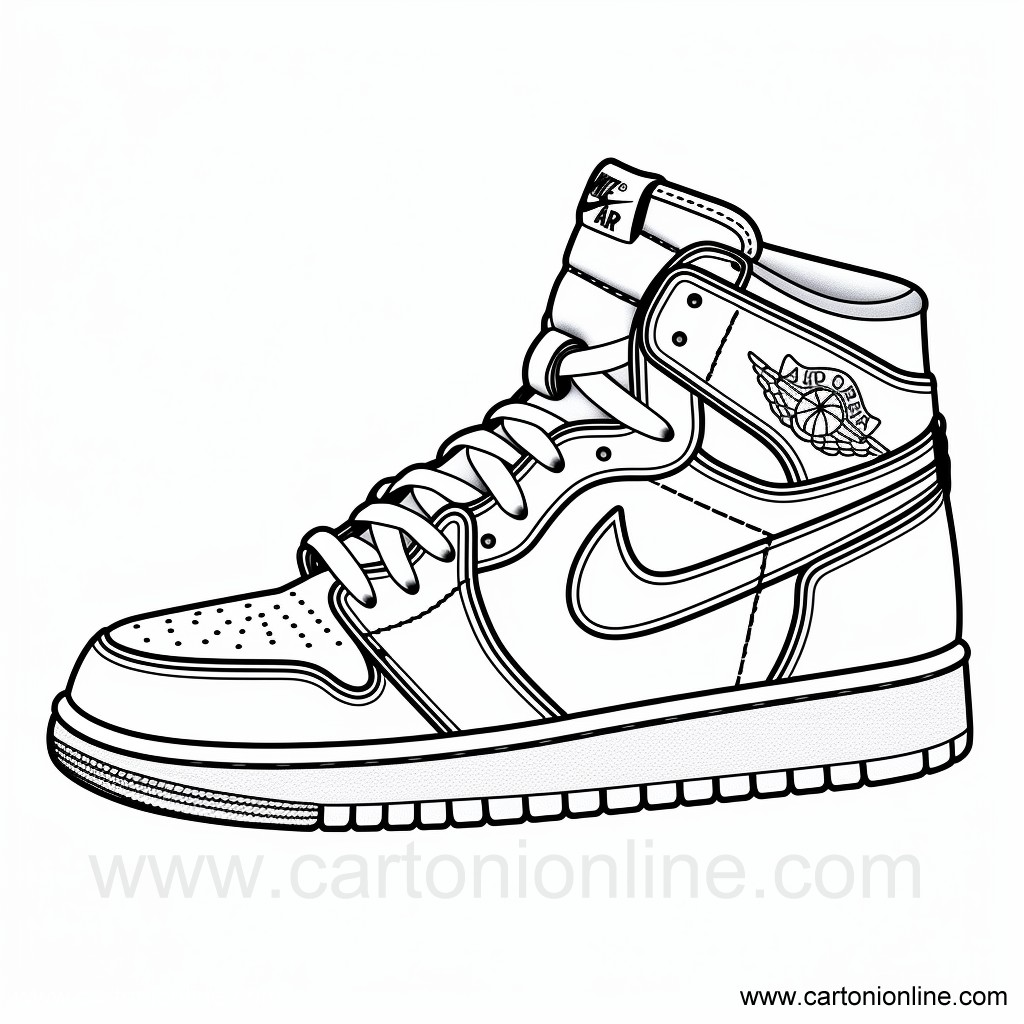
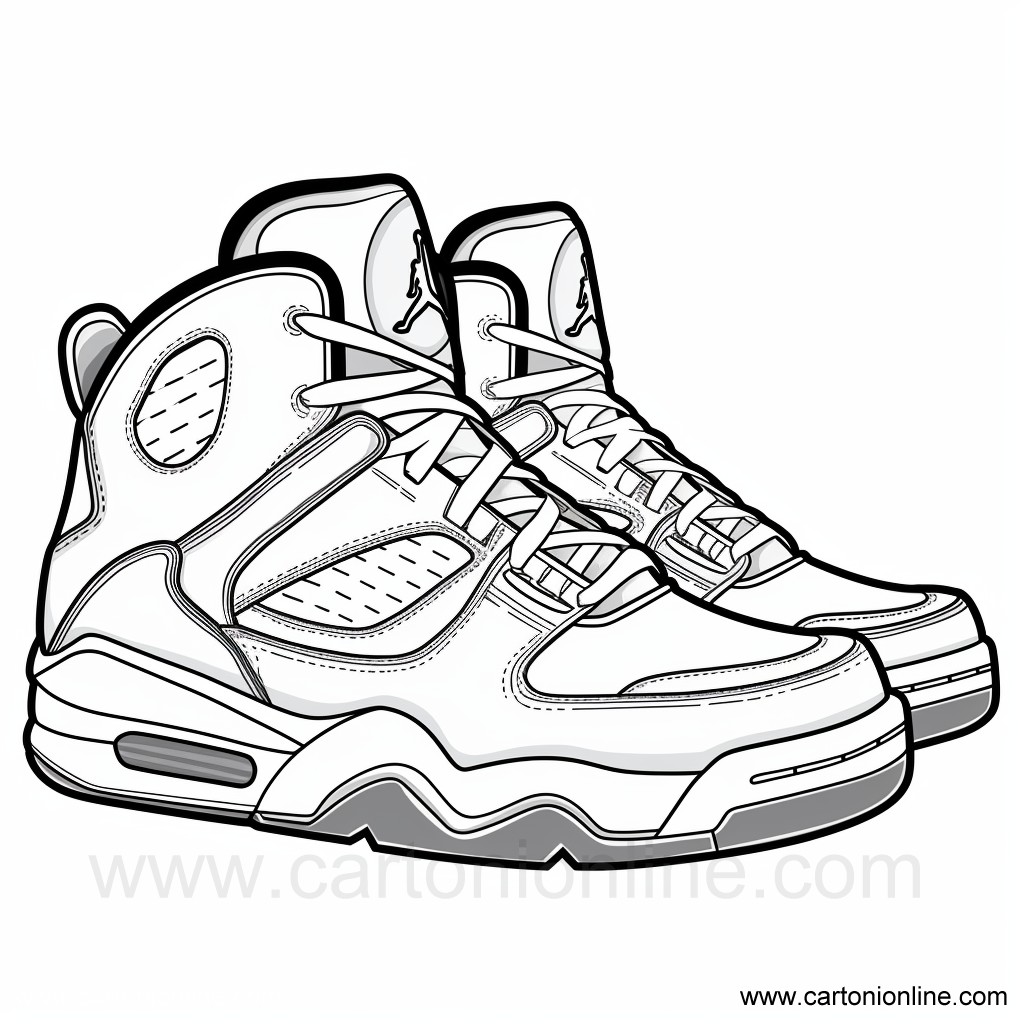
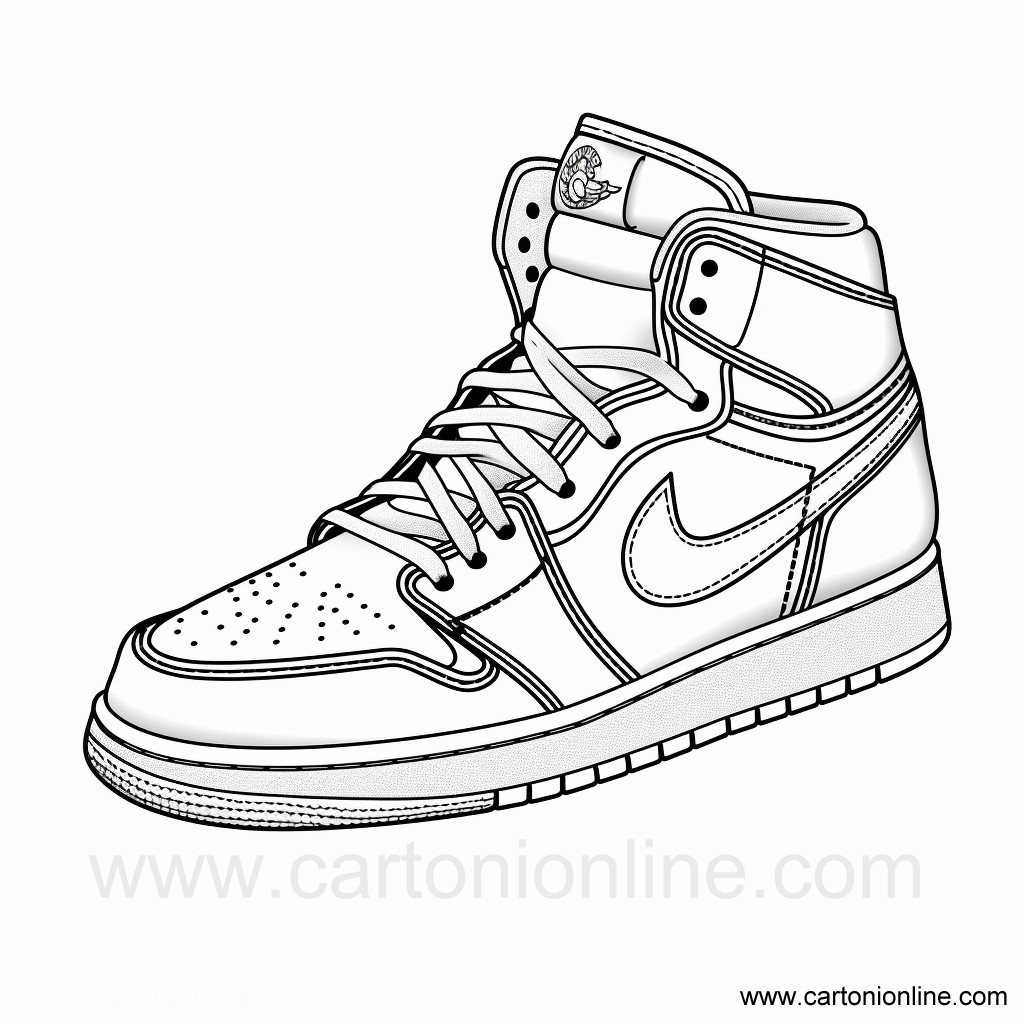
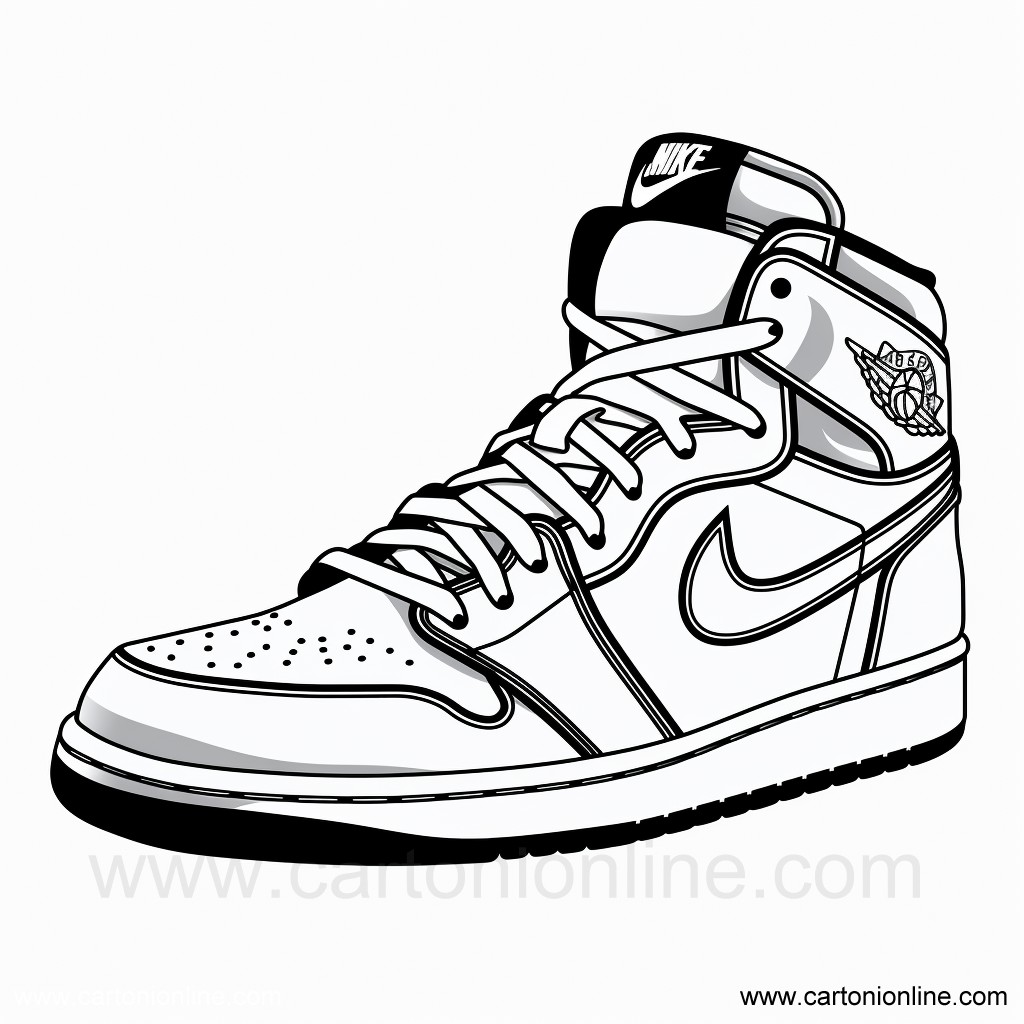
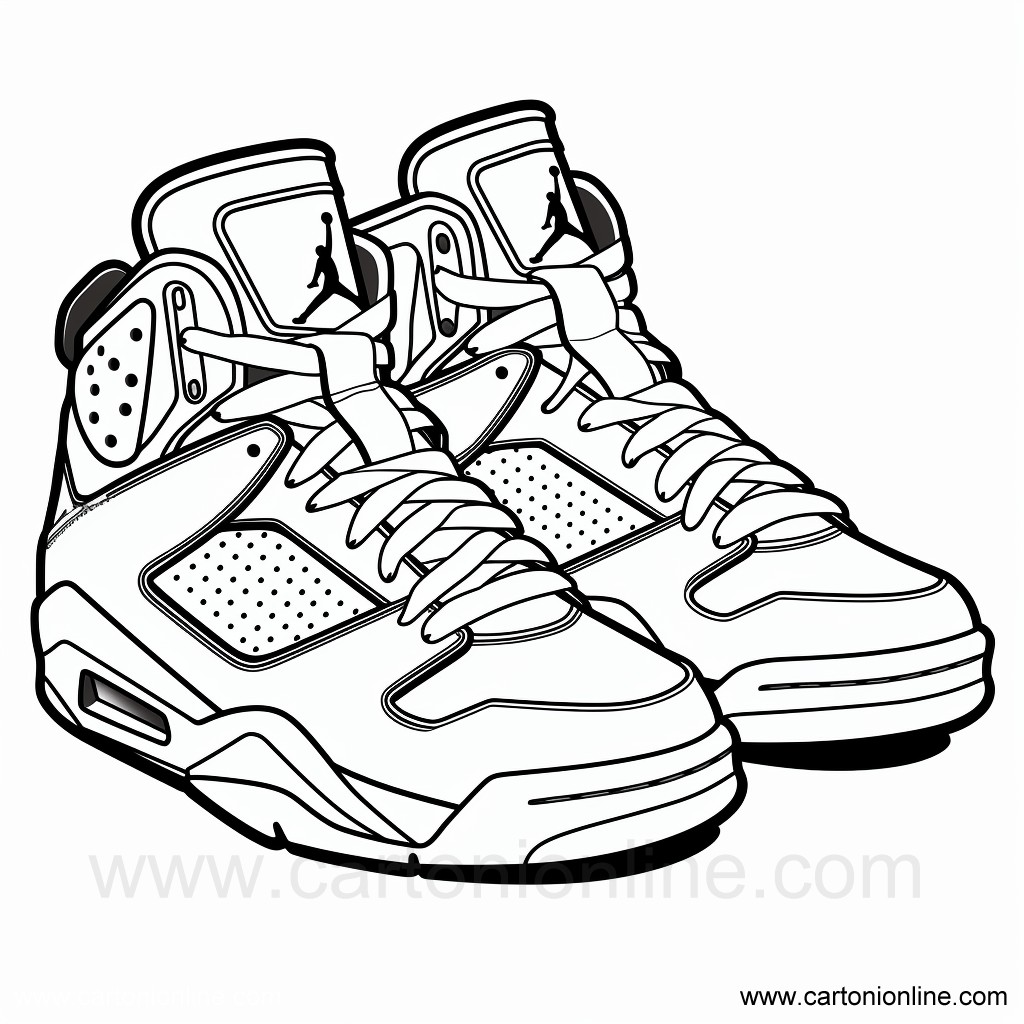
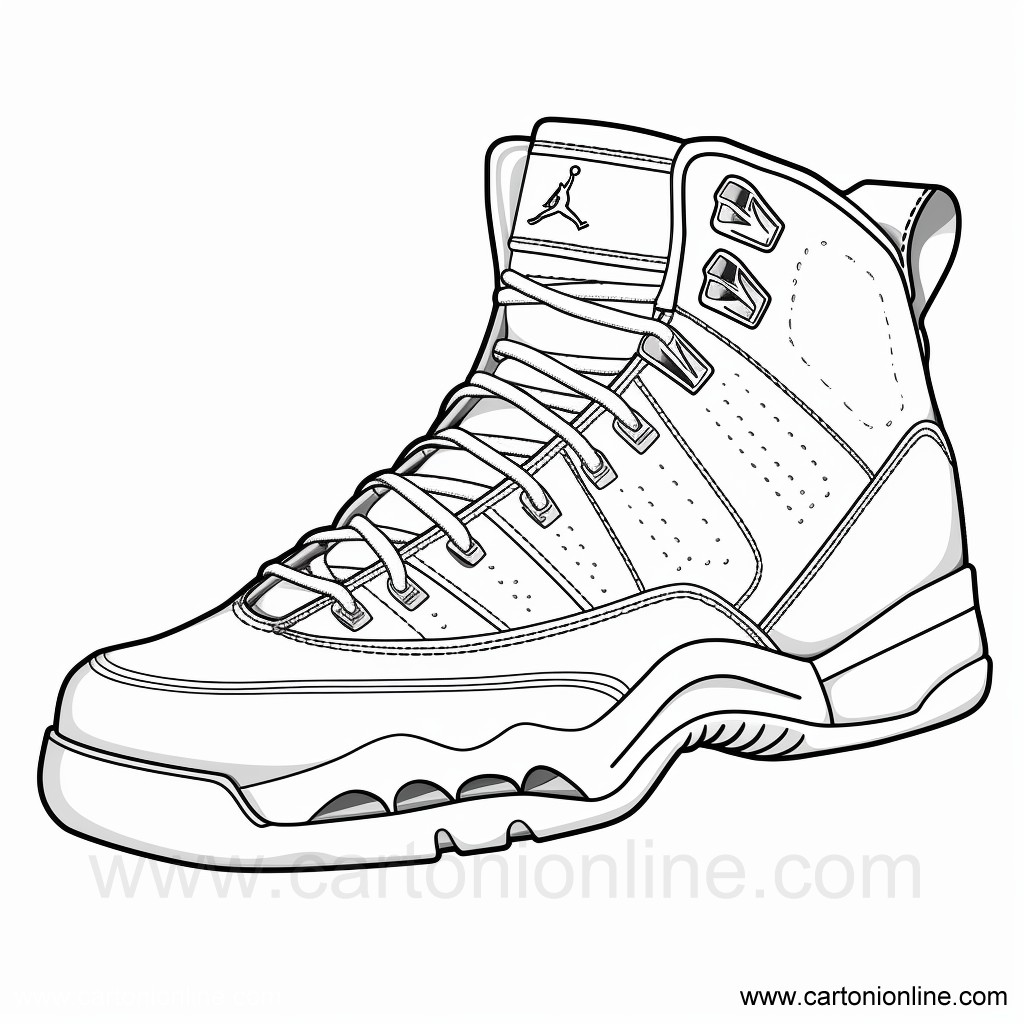
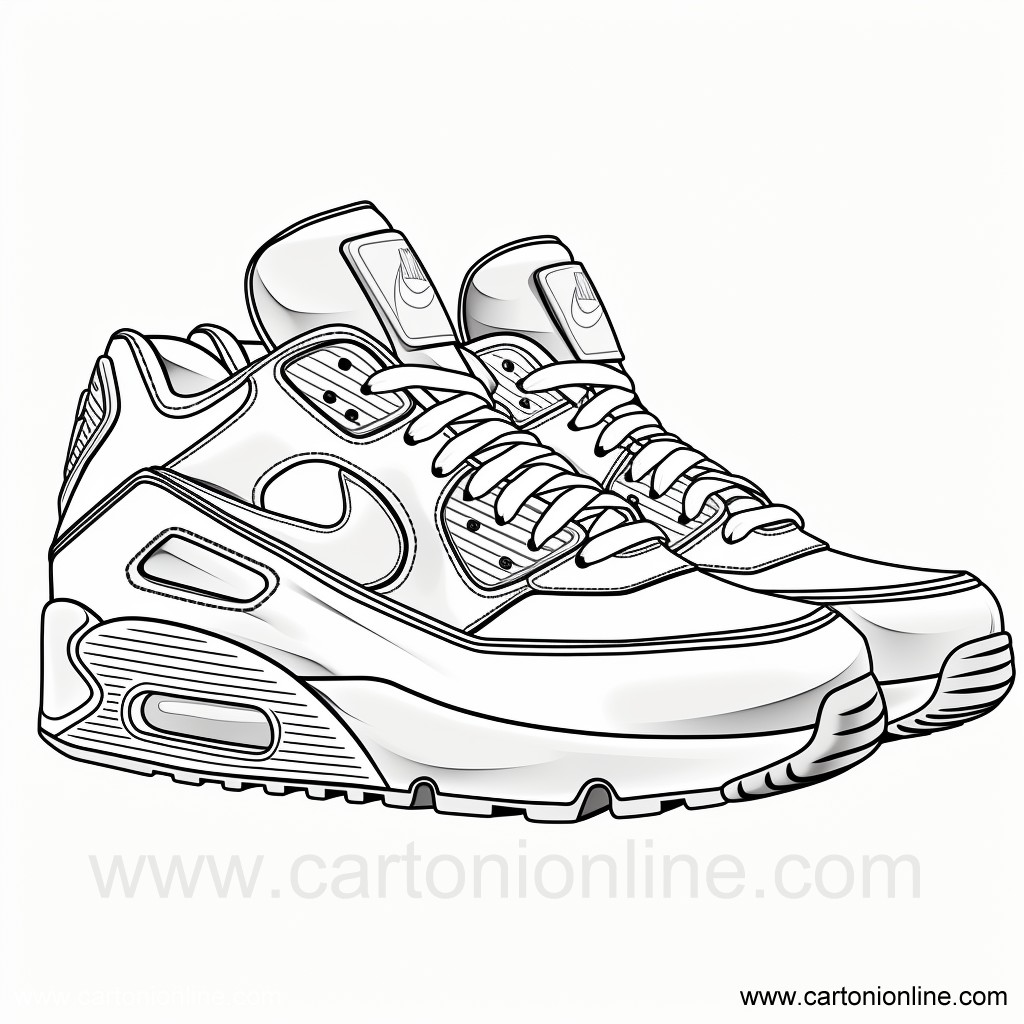
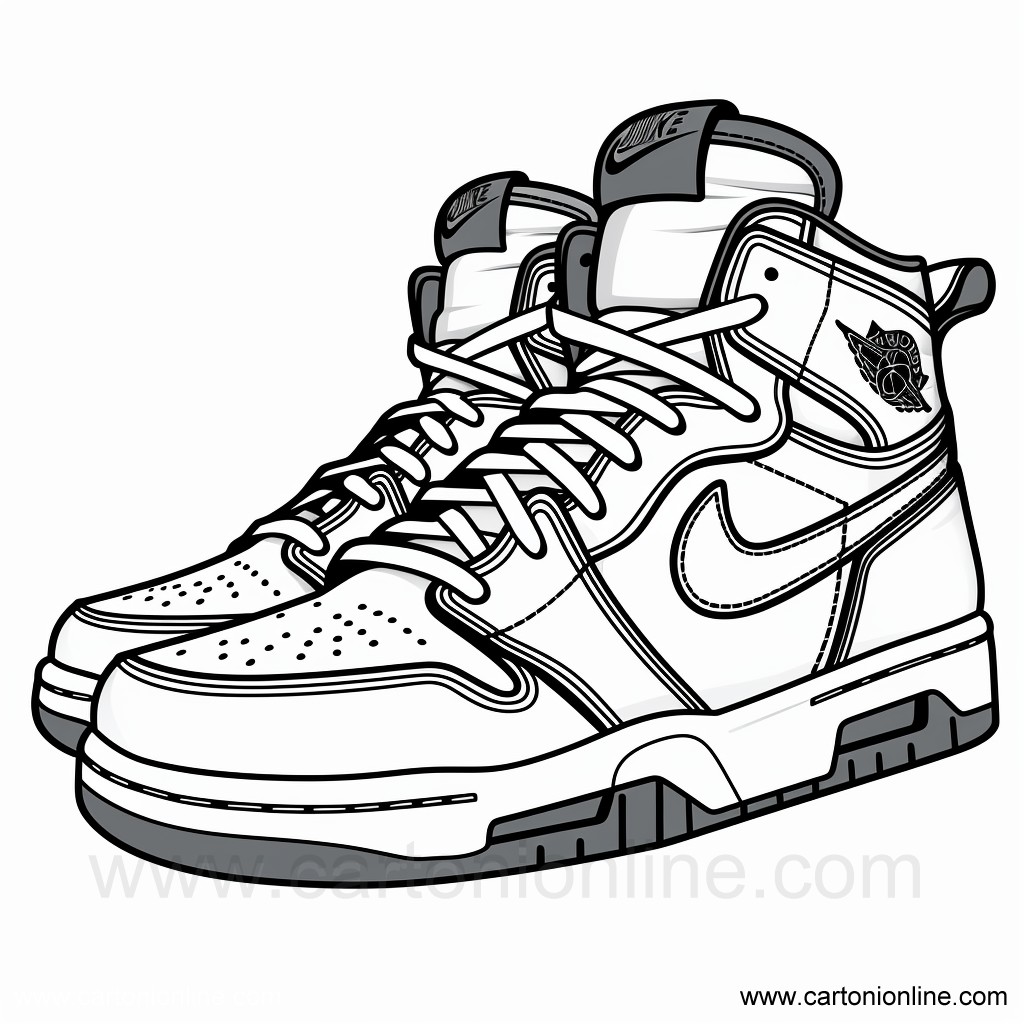
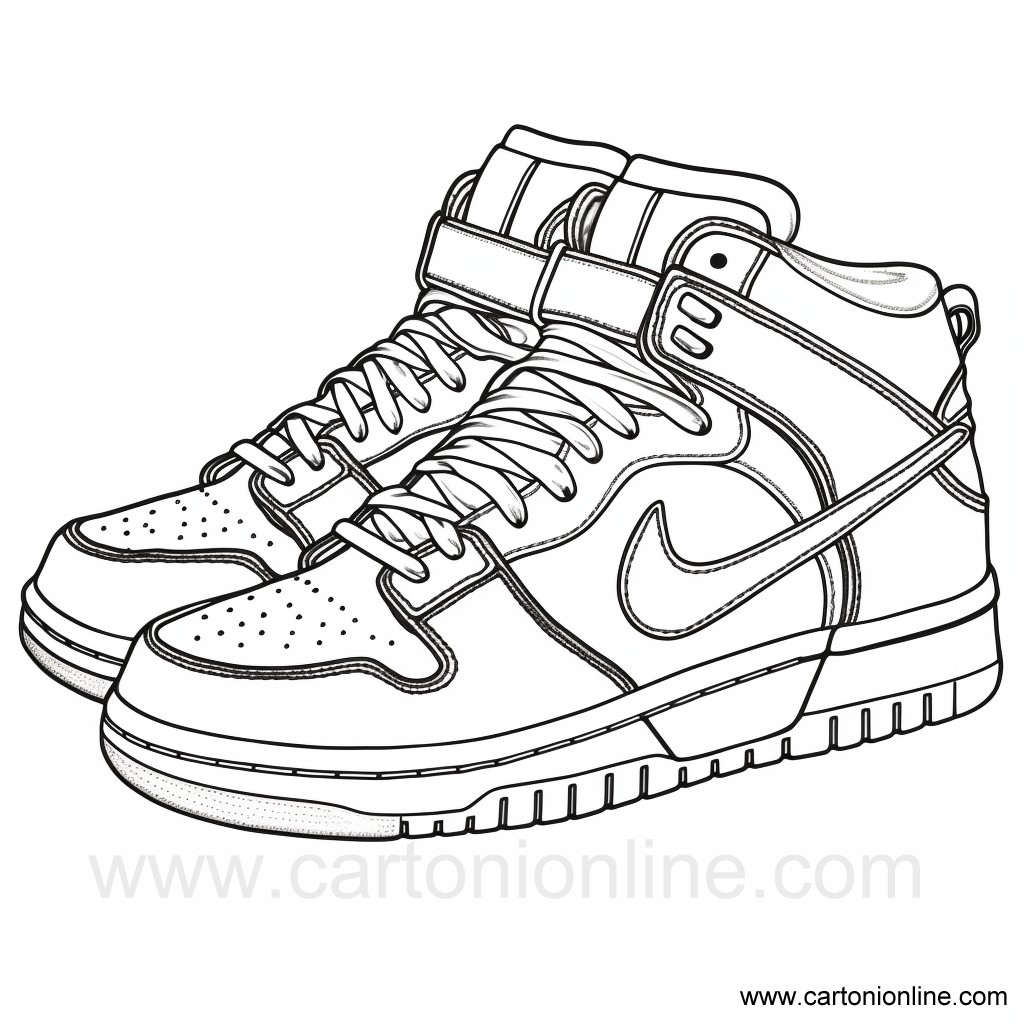
the coloring page of Jordan Nike shoes! Here, you will find a
wide selection of images related to the fantastic world of Jordan
shoes. You can color the iconic Jordan shoes, including models
like Air Jordan, Air Jordan 1 Travis Scott, Air Jordan 4, laceless
versions, classic models, and many others.
Jordan shoes
represent a symbol of style and performance in the worlds of
basketball and fashion. They are beloved by sports enthusiasts,
sneakerheads, and fashion lovers worldwide. Each Jordan shoe
model has its own story and unique features, making them true
works of art.
The Air
Jordan, born from the collaboration between Nike and the legendary
basketball player Michael Jordan, revolutionized the way sneakers
are perceived. The Air Jordan 1 Travis Scott is a highly popular
model, known for its eye-catching colors and distinctive details.
The Air Jordan 4 is a timeless classic, cherished for its iconic
design and comfort.
The coloring
pages of Jordan shoes offer you the opportunity to express your
creativity and personality by choosing your preferred color
combinations. You can bring your ideal Jordan shoes to life,
using vibrant colors or creating unique designs.
To print
the drawing you wish to color, simply click on the image and
then on the "Print the drawing" button. In just a
few moments, you'll have your drawing ready to be colored and
personalized.
Enjoy the
fun and inspiration that the coloring pages of Jordan Nike shoes
provide. Experiment with different shades of colors, add details
and shading to make your Jordan shoes unique and extraordinary.
Whether
you're a basketball fan, a fashion enthusiast, or just someone
who enjoys drawing and coloring, the page of Jordan Nike shoe
coloring pages is the perfect place to bring your passion to
life. Wear your creativity, grab your markers or colored pencils,
and start coloring the Jordan shoes of your dreams!
Get ready
to immerse yourself in the world of Jordan shoes and bring unique
works of art to life. Have fun!